LOADING…
▶ SENIOR CRITIC
BRONTE HAUGHEY
Australian film, international art cinema, restoration
Bronte writes long-form criticism of Australian cinema and the international art films that feed into it. She was on the ground at Cannes in 2019 and has not entirely forgiven the festival for 2020. Patient with slow films; impatient with tidy ones.
WRITING HERE SINCE JANUARY 2020
BY BRONTE HAUGHEY64 PIECES
FILM№ 01
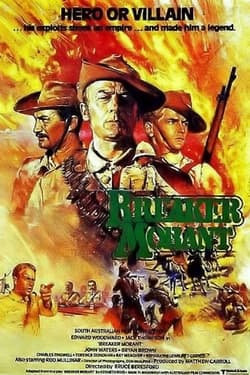
Breaker Morant and the country that adopted its scapegoat
Bruce Beresford's 1980 courtroom drama made an English-born soldier into an Australian martyr, and the picture's argument about empire has outlived its historical certainties.
BRONTE HAUGHEY13.10.2026
FILM№ 02
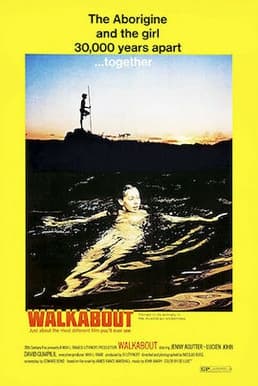
Walkabout is a British film about a country it never claims
Nicolas Roeg's 1971 picture is claimed as an Australian classic, though it was made by a Londoner, financed by two Americans and sold by 20th Century Fox. Its best argument is how little it pretends otherwise.
BRONTE HAUGHEY11.10.2026
FILM№ 03
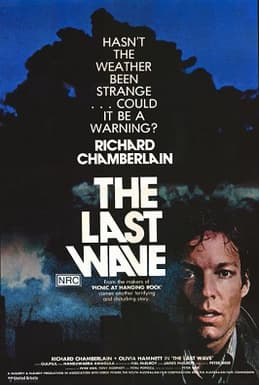
The Last Wave and the rain Sydney could not explain
Peter Weir's 1977 film puts a corporate lawyer in a drowned city and asks what a settler place owes to the ground and weather beneath it.
BRONTE HAUGHEY30.09.2026
FILM№ 04
Rolf de Heer keeps handing the film to whoever gets left out
Across forty years Rolf de Heer never settled on a style, because his real signature was never visual; it was a decision about who gets to hold the camera.
BRONTE HAUGHEY23.09.2026
FILM№ 05
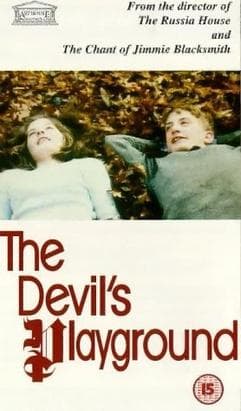
The Devil's Playground split its prize between a boy and a Brother
Fred Schepisi's juniorate drama opened fifty years ago last month, and the most accurate verdict it ever received was an acting award shared between a thirteen-year-old and a Brother.
BRONTE HAUGHEY18.09.2026
FILM№ 06
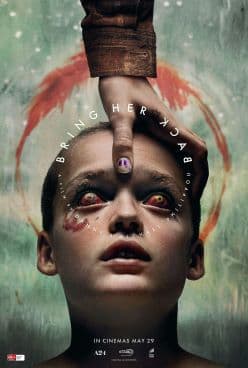
Bring Her Back builds its horror around what Piper cannot see
The Philippou brothers made a $15 million grief picture in the Adelaide suburbs and organised its entire visual scheme around a fourteen-year-old who can only see shapes.
BRONTE HAUGHEY01.09.2026
FILM№ 07
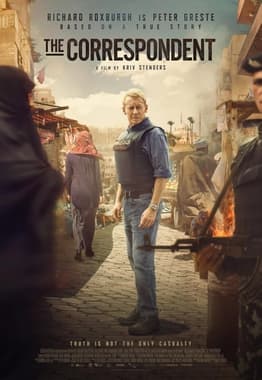
The Correspondent is a grief film wearing a prison film
Kriv Stenders built an Egyptian prison on a Sydney soundstage in six weeks, and the picture he made inside it is not about Egypt at all.
BRONTE HAUGHEY16.08.2026
FILM№ 08
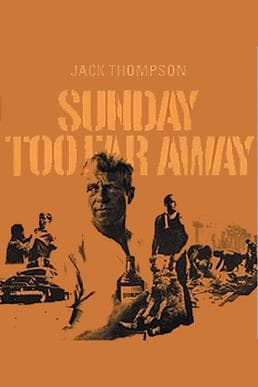
Geoff Burton's light and the truth of Sunday Too Far Away
The NFSA's restoration returns Ken Hannam's shearing drama to full clarity, and what comes back is a film that honours the work without ever romanticising the men who do it.
BRONTE HAUGHEY02.07.2026
FILM№ 09
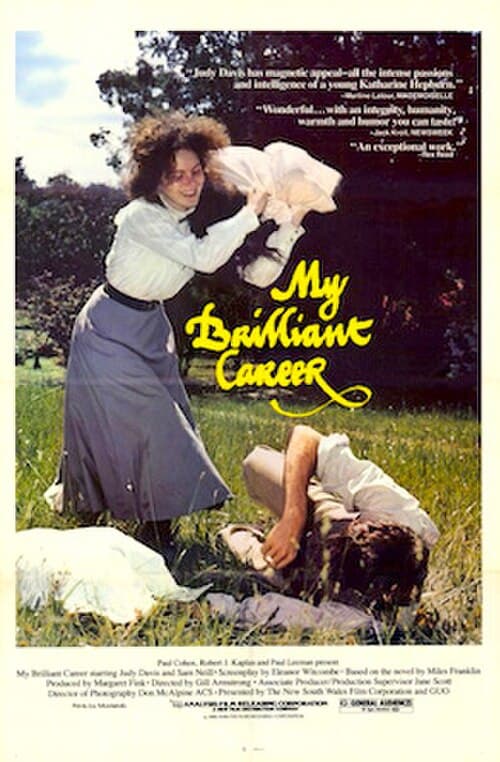
My Brilliant Career and the woman who would not marry the plot
Gillian Armstrong's 1979 debut took a heroine who refuses the marriage plot and made the refusal the whole shape of the picture.
BRONTE HAUGHEY24.06.2026
FILM№ 10
Wake in Fright and the negative that almost burned
A film about a man who cannot leave a town nearly became a film that could not leave a shipping container, and the rescue is now part of what the picture means.
BRONTE HAUGHEY10.06.2026
FILM№ 11
Man of Flowers and the patience Paul Cox demanded
Paul Cox made European chamber films in suburban Melbourne while the rest of the New Wave chased the outback, and Man of Flowers is the purest case for him.
BRONTE HAUGHEY28.05.2026
FILM№ 12
Furiosa and the country George Miller will not leave
Two years after Furiosa underperformed in May 2024, the picture has clarified into the most patiently photographed film of George Miller's career, and possibly the last one he will shoot in the Hay plains.
BRONTE HAUGHEY08.05.2026
FILM№ 13
Six years of Australian cinema and the argument is still open
The films got better, the audiences stayed complicated, and the critics kept writing.
BRONTE HAUGHEY02.05.2026

FILM№ 14
Sydney Film Festival 2026 opens with a question the programme cannot answer alone
The programme is strong, the Australian titles are stronger, and the question of who will be in the audience remains.
BRONTE HAUGHEY28.03.2026
FILM№ 15
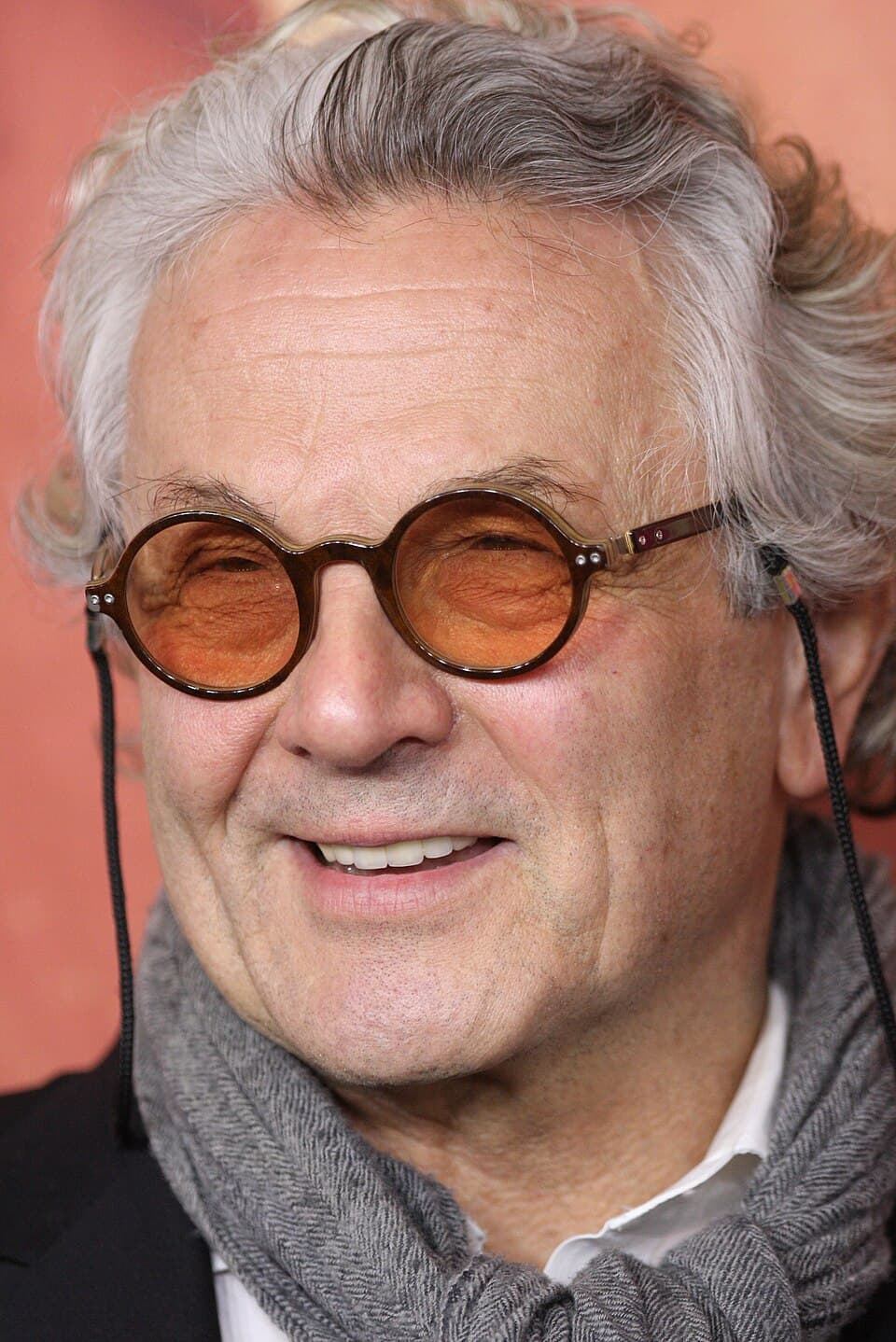
George Miller made a film about storytelling and the audience wanted another car chase
Miller's most personal film is also his most ignored, and the distance between the two says more about the audience than the director.
BRONTE HAUGHEY28.01.2026
FILM№ 16
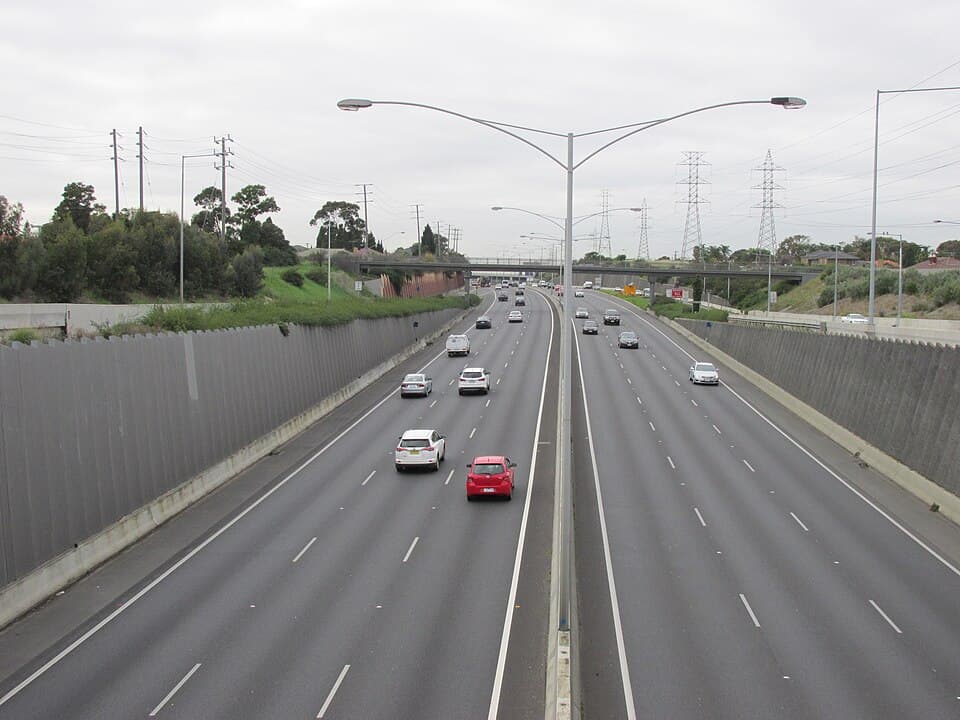
The Plains watches a man drive home from work for three hours and earns every minute
David Easteal bolted a camera to a dashboard and recorded six months of a suburban commute, and the result is the most radical Australian film of the decade.
BRONTE HAUGHEY04.12.2025
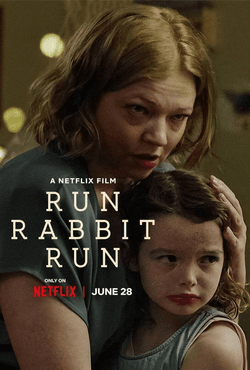
FILM№ 17
Run Rabbit Run gives Sarah Snook a haunted house and not enough script to fill it
Snook carries the film on performance alone, and the film knows this, which is both its strength and the reason it never finds a second gear.
BRONTE HAUGHEY14.10.2025
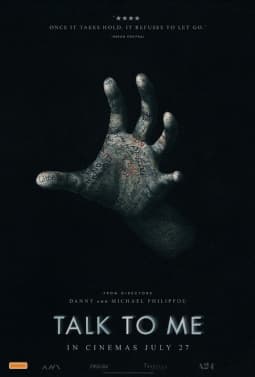
FILM№ 18
Australian horror found an audience and now it has to decide what to do with it
Talk to Me proved Australian horror could sell globally, and the pipeline behind it is filling with directors who watched that and took notes.
BRONTE HAUGHEY14.05.2025
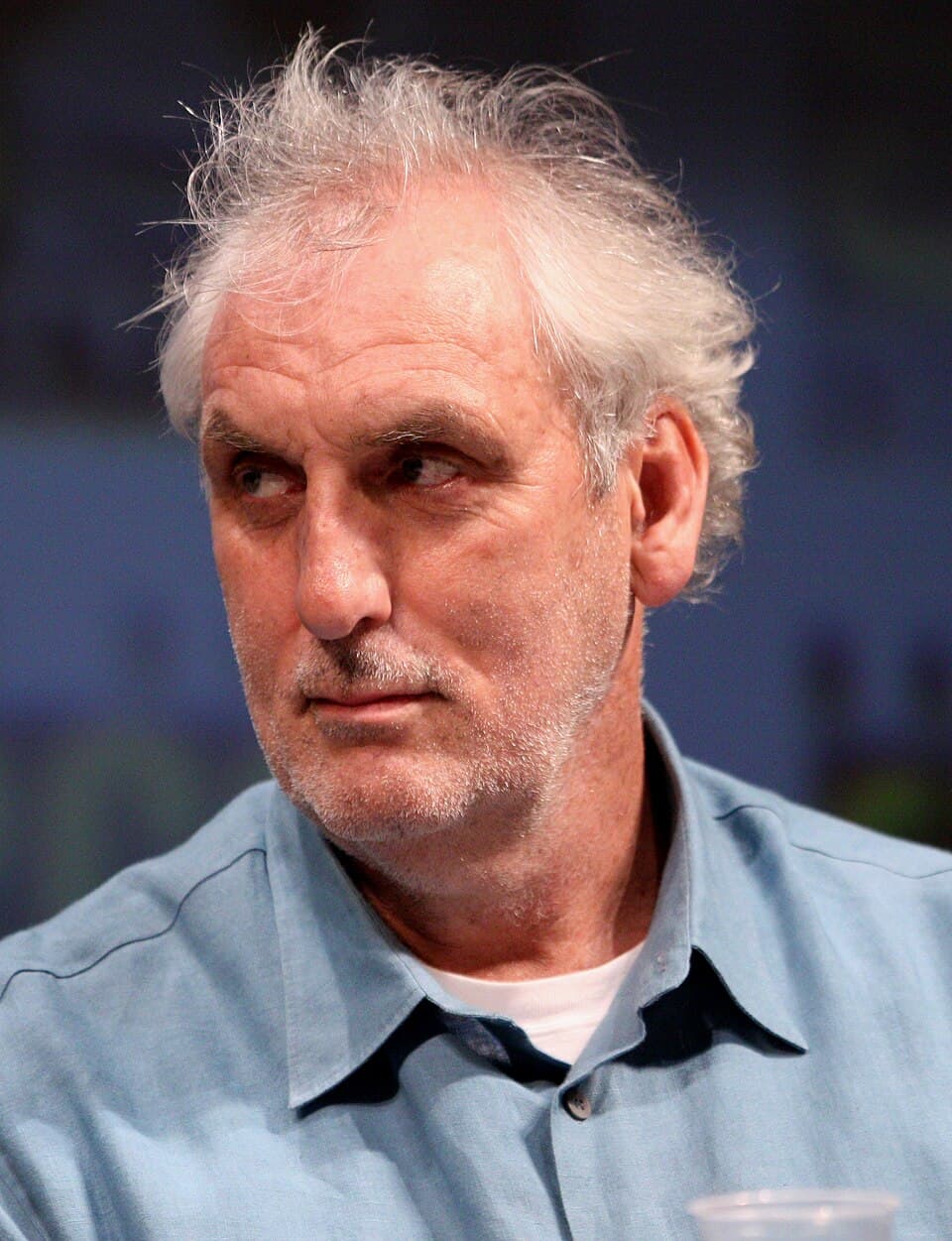
FILM№ 19
Phillip Noyce never sat still long enough for Australian cinema to claim him
From Newsfront to Dead Calm to Rabbit-Proof Fence to Hollywood thrillers, Noyce built a career out of refusing to repeat himself.
BRONTE HAUGHEY15.04.2025
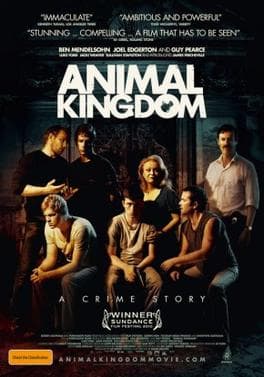
FILM№ 20
David Michod keeps making films about men who destroy what they build
From Animal Kingdom to The Rover to War Machine, Michod's career is a study in how power corrodes from the inside.
BRONTE HAUGHEY18.03.2025
FILM№ 21
Audrey finds the violence inside a suburban house and does not raise its voice
Natalie Bailey's debut is a domestic thriller set at kitchen-table volume, and the restraint is more frightening than any raised hand.
BRONTE HAUGHEY24.02.2025
FILM№ 22
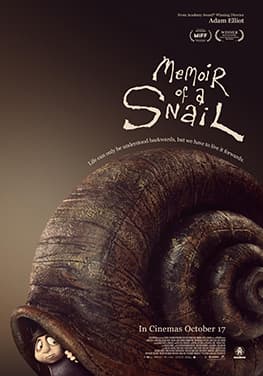
Australia sent a claymation snail to the Oscars and it was the right call
The selection of Memoir of a Snail as Australia's Oscar entry is a bet on craft over scale, and the bet is sound.
BRONTE HAUGHEY22.12.2024
FILM№ 23
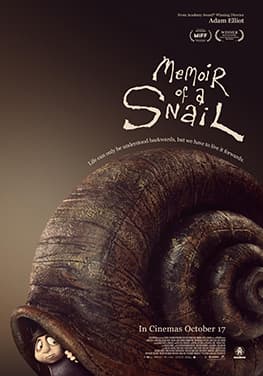
Adam Elliot made grief out of clay and it holds its shape
Elliot's second feature is a hoarder's inventory of loss, rendered in plasticine and voiced by Sarah Snook, and it is the best Australian film of 2024.
BRONTE HAUGHEY06.11.2024
FILM№ 24
The Surfer traps Nicolas Cage on a beach and discovers that the ocean is the real antagonist
Lorcan Finnegan's beach thriller gives Cage nothing but sand and hostility, and what he does with both is more controlled than anyone expected.
BRONTE HAUGHEY16.10.2024
FILM№ 25
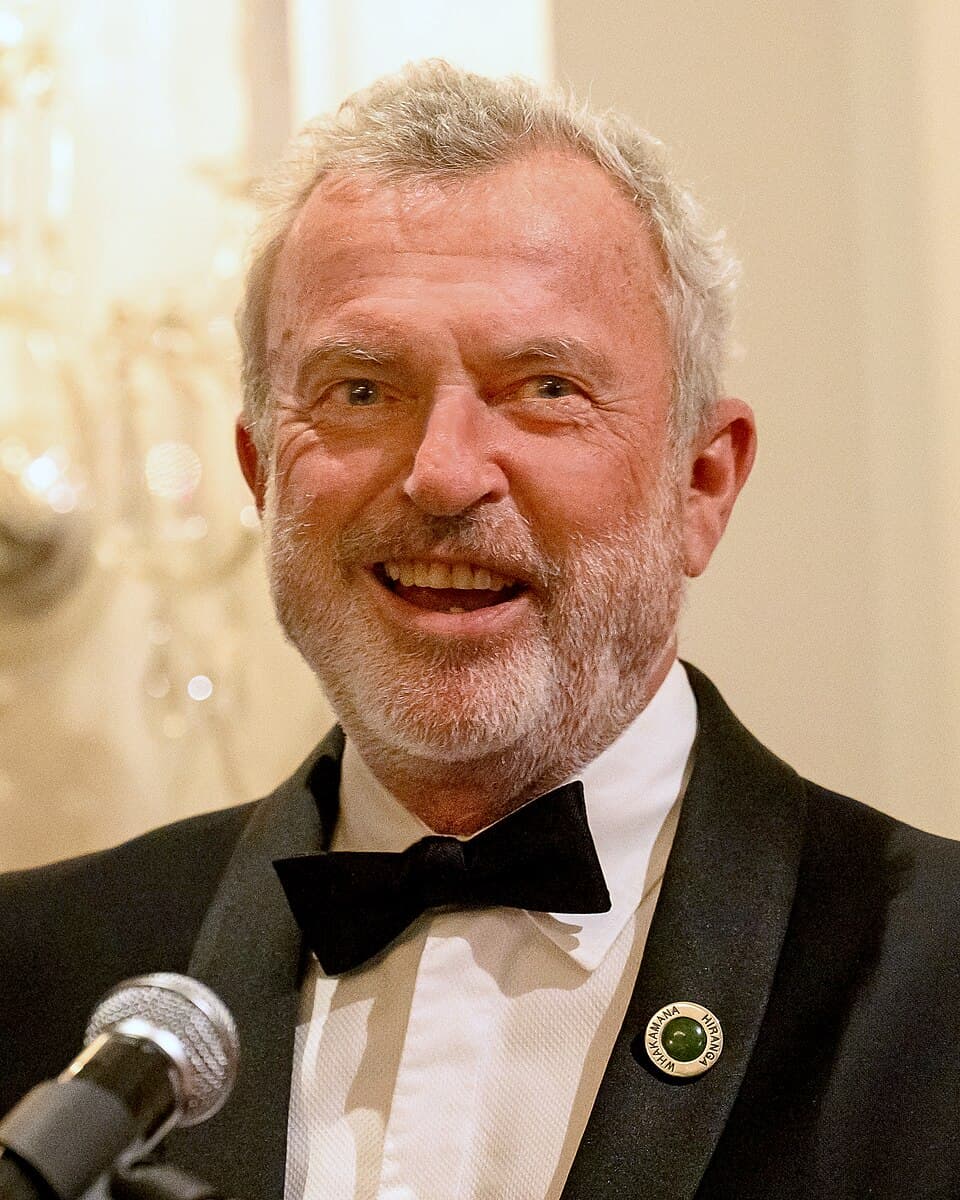
Bring Him to Me puts Sam Neill in a car and lets the drive do the work
Luke Sparke's thriller is ninety minutes in a car with a hitman and a target, and the confinement is the point.
BRONTE HAUGHEY16.09.2024
FILM№ 26
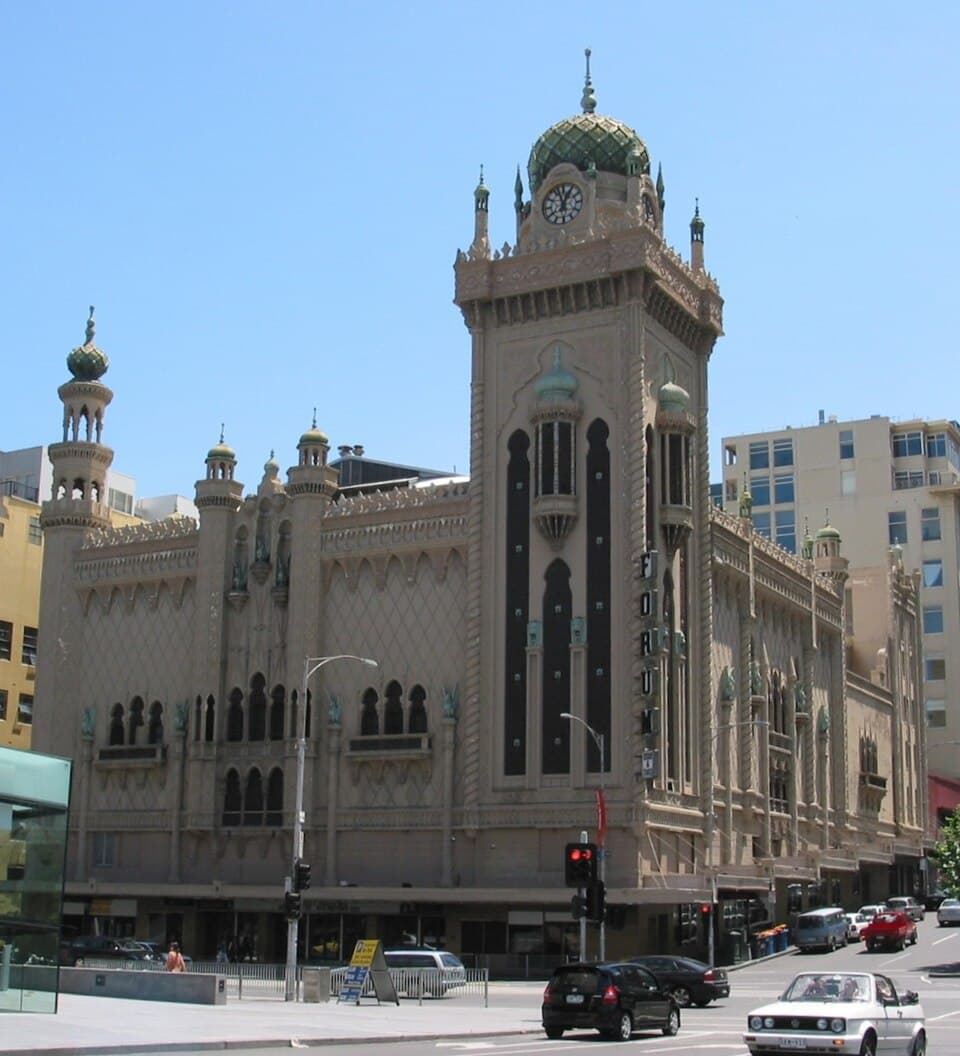
MIFF 2024 programmed for argument and the audience showed up ready
The 2024 programme leaned harder into difficulty than any MIFF in recent memory, and the sessions were fuller for it.
BRONTE HAUGHEY14.08.2024
FILM№ 27
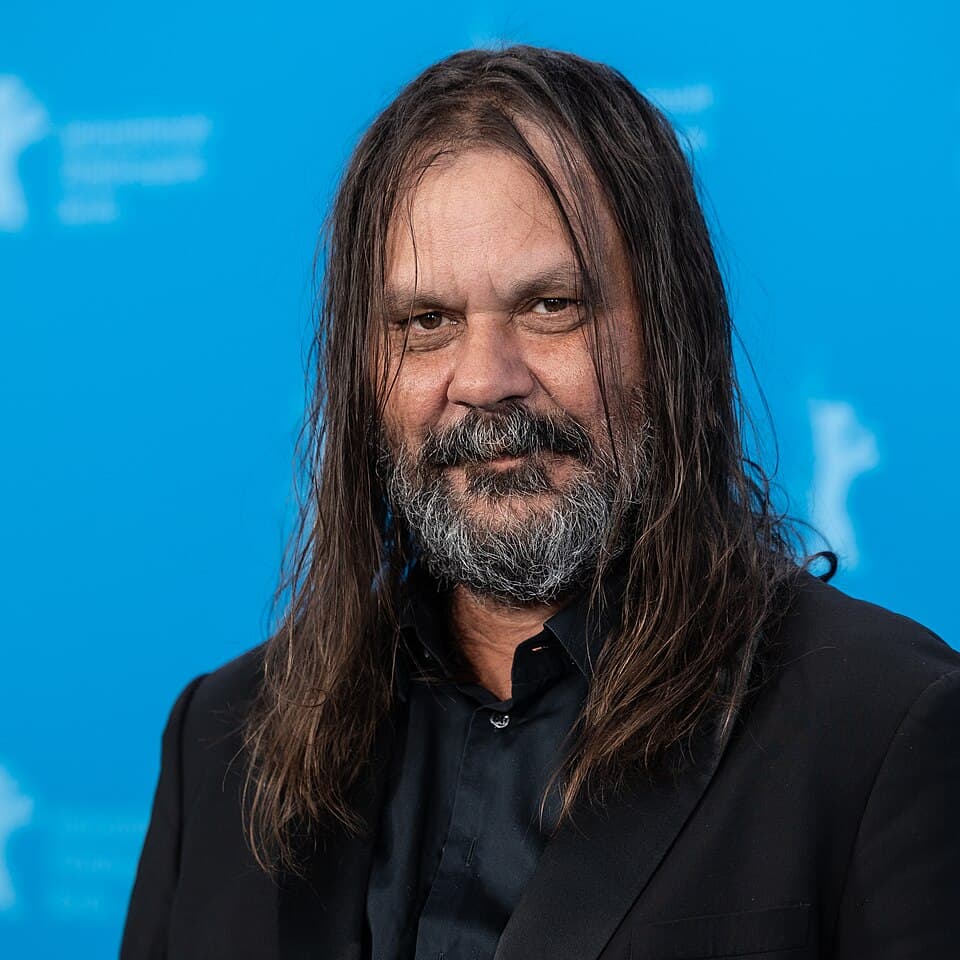
Warwick Thornton's quiet argument with the church
Thornton photographs faith the way he photographs landscape: patiently, without commentary, and with an eye for what the light reveals about what is missing.
BRONTE HAUGHEY10.07.2024
FILM№ 28
Furiosa opened to a half-empty cinema and the film did not care
George Miller spent a decade building Furiosa and the audience showed up late, but the film was always playing to a longer clock.
BRONTE HAUGHEY28.05.2024
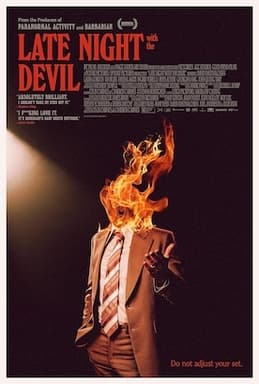
FILM№ 29
Late Night with the Devil put Australian horror on a talk-show set and the audience did not see it coming
The Cairnes brothers built a 1977 talk show, filled it with a demon, and proved that Australian horror works best when the set is cheap and the writing is not.
BRONTE HAUGHEY22.04.2024
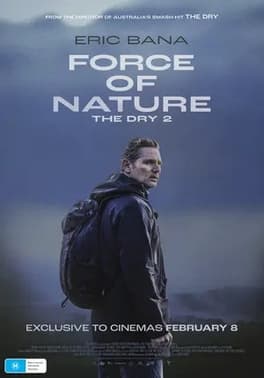
FILM№ 30
Force of Nature proves Eric Bana can carry a franchise nobody expected
Robert Connolly's sequel to The Dry is looser, colder, and more confident about what kind of film it wants to be.
BRONTE HAUGHEY14.03.2024
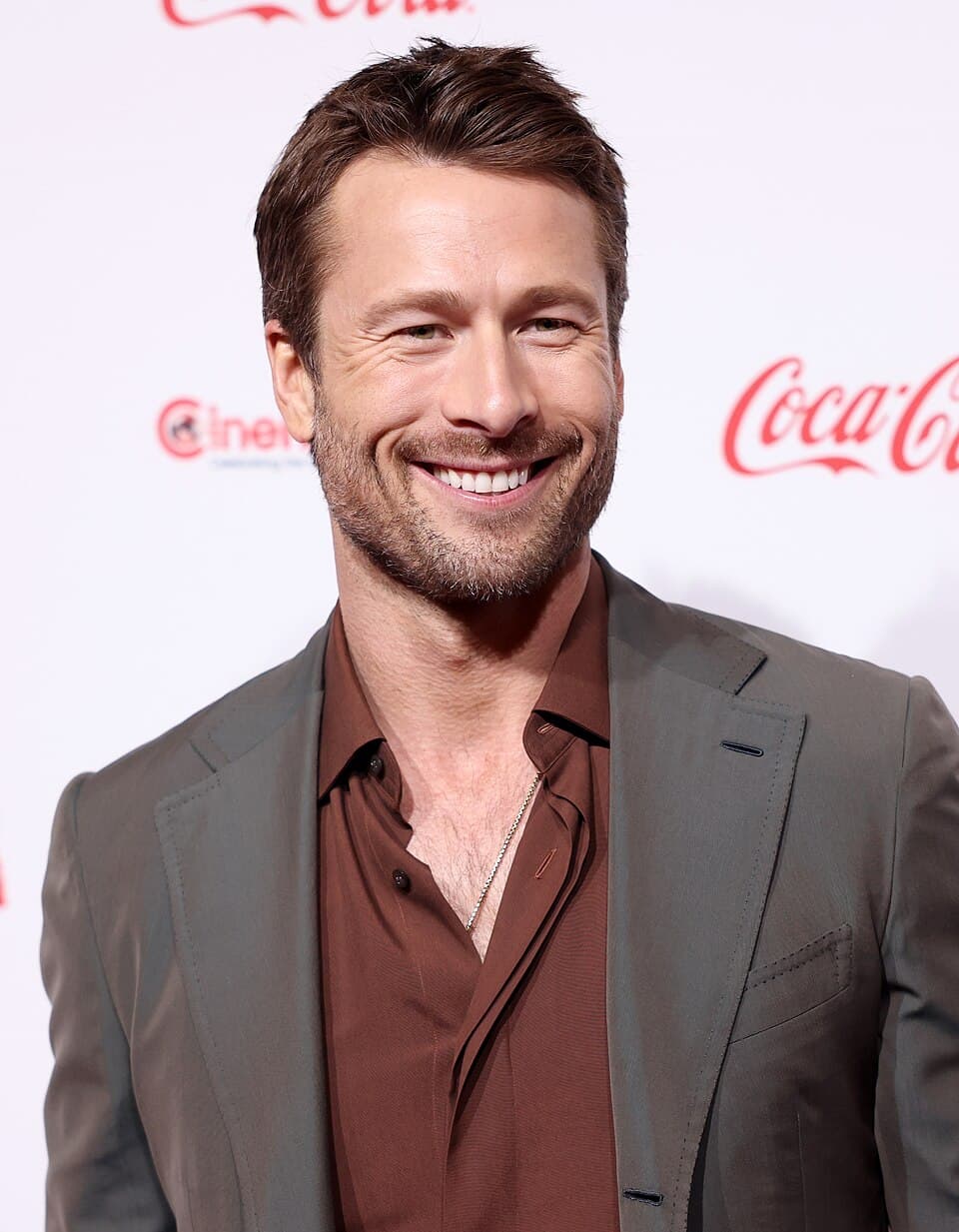
FILM№ 31
Anyone But You made $220 million by treating Sydney like a postcard and the audience like it was 2003
The most commercially successful film ever shot in Australia is a romantic comedy that uses Sydney Harbour the way a travel brochure does, and that calculation paid off.
BRONTE HAUGHEY12.02.2024
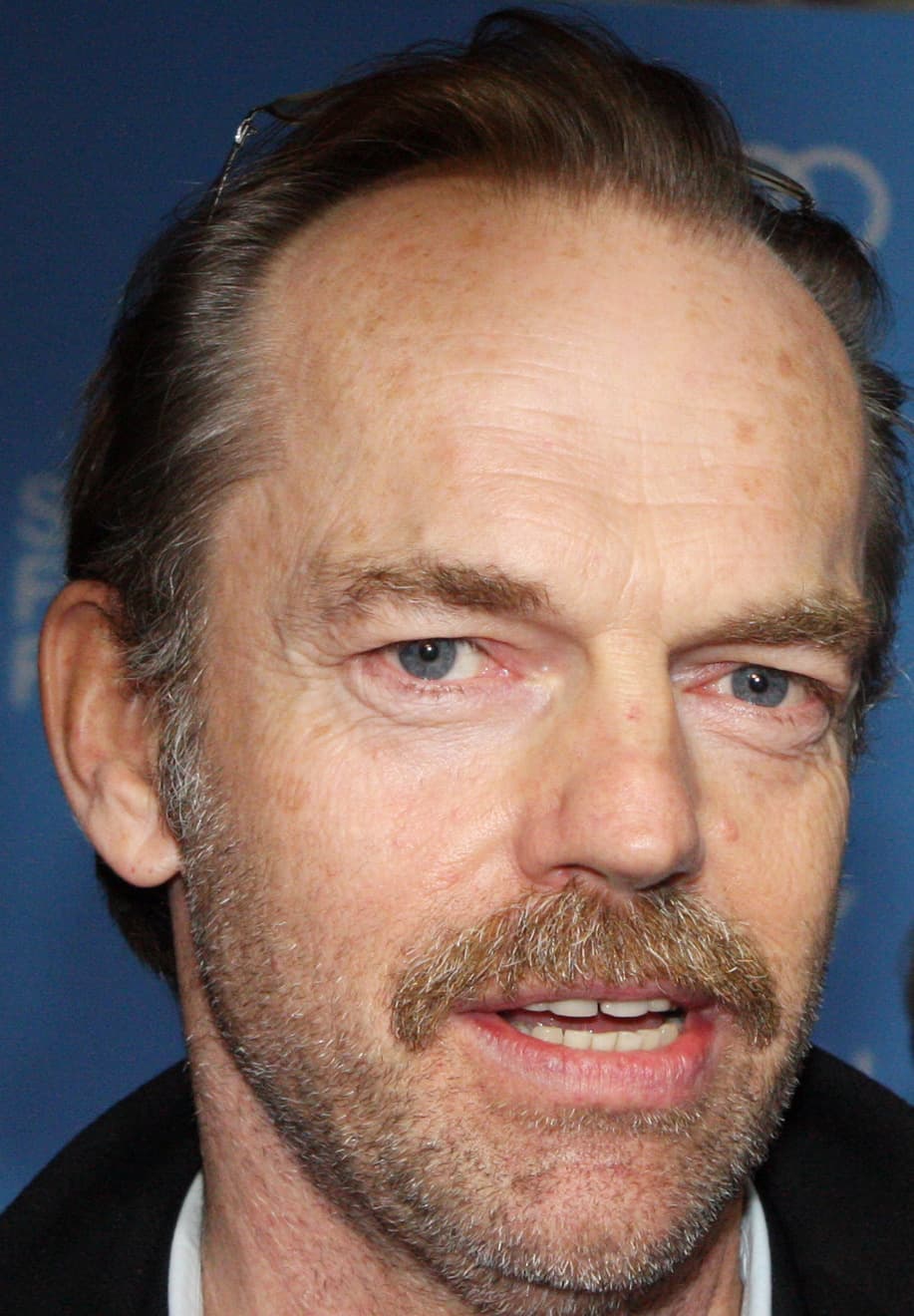
FILM№ 32
The Rooster puts a man in the outback and strips away every reason to stay
Mark Leonard Winter's debut feature drops Hugo Weaving into a dying town and asks how long a man will stay in a place that has stopped asking him to.
BRONTE HAUGHEY16.01.2024
FILM№ 33
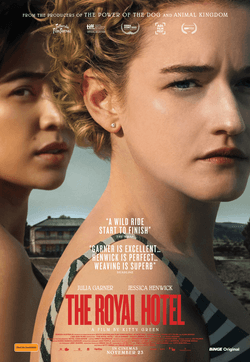
The Royal Hotel fills a pub with men and dares you to name which one is dangerous
Kitty Green puts two backpackers behind an outback bar and lets the threat accumulate like bar tabs nobody plans to settle.
BRONTE HAUGHEY22.11.2023
FILM№ 34
Sweet As sends a teenager into the Pilbara with a camera and does not tell her what to find
Jub Clerc's debut follows a Nyul Nyul teenager on a photography trip through the Pilbara, and the film is gentle enough to let her look without narrating what she sees.
BRONTE HAUGHEY10.10.2023
FILM№ 35
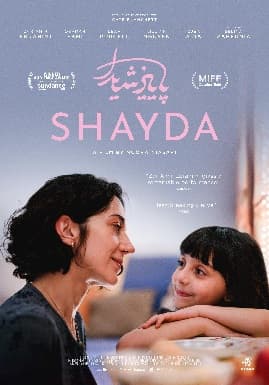
Shayda finds freedom in a women's refuge and does not romanticise it
Noora Niasari's debut draws from her mother's story, and the film is better for being specific rather than representative.
BRONTE HAUGHEY22.09.2023
FILM№ 36
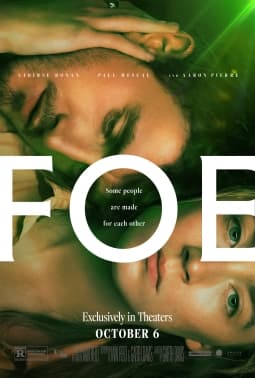
Foe builds a marriage out of wheat fields and then replaces the husband
Garth Davis set a science-fiction film in the Australian wheat belt and made the loneliness more frightening than the technology.
BRONTE HAUGHEY28.08.2023
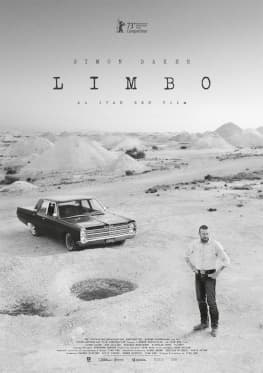
FILM№ 37
Ivan Sen shot Limbo in black and white and the outback answered in grey
Sen's cold-case noir strips the outback of colour and finds a landscape that has been waiting to testify.
BRONTE HAUGHEY14.08.2023
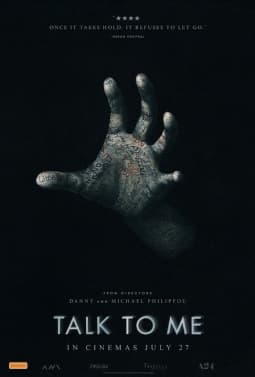
FILM№ 38
Talk to Me found Australian horror's nerve and held it
The Philippou brothers built a horror film out of YouTube pacing and Adelaide geography, and the combination should not work as well as it does.
BRONTE HAUGHEY16.05.2023
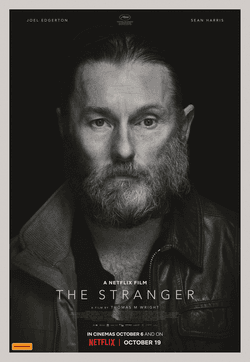
FILM№ 39
Thomas M. Wright built The Stranger out of silence
Wright's procedural gives Joel Edgerton nothing to do except wait, and then makes you understand why that matters.
BRONTE HAUGHEY12.04.2023
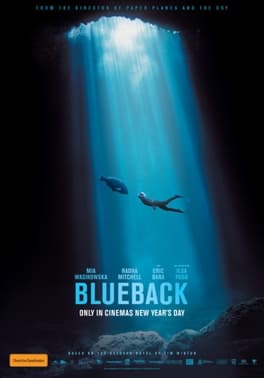
FILM№ 40
Blueback turns an ocean conservation story into something the reef can hold
Robert Connolly filmed underwater in Western Australia and found a drama that breathes better below the surface than above it.
BRONTE HAUGHEY14.03.2023
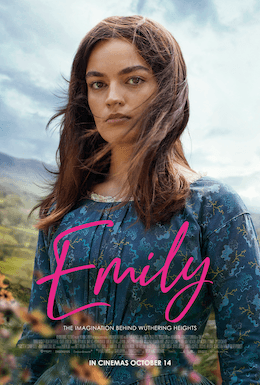
FILM№ 41
Frances O'Connor stepped behind the camera and made a Bronte film that trusts the wind
The Australian actor's directorial debut is a Bronte biopic that cares more about weather than biography, and the instinct is right.
BRONTE HAUGHEY26.01.2023
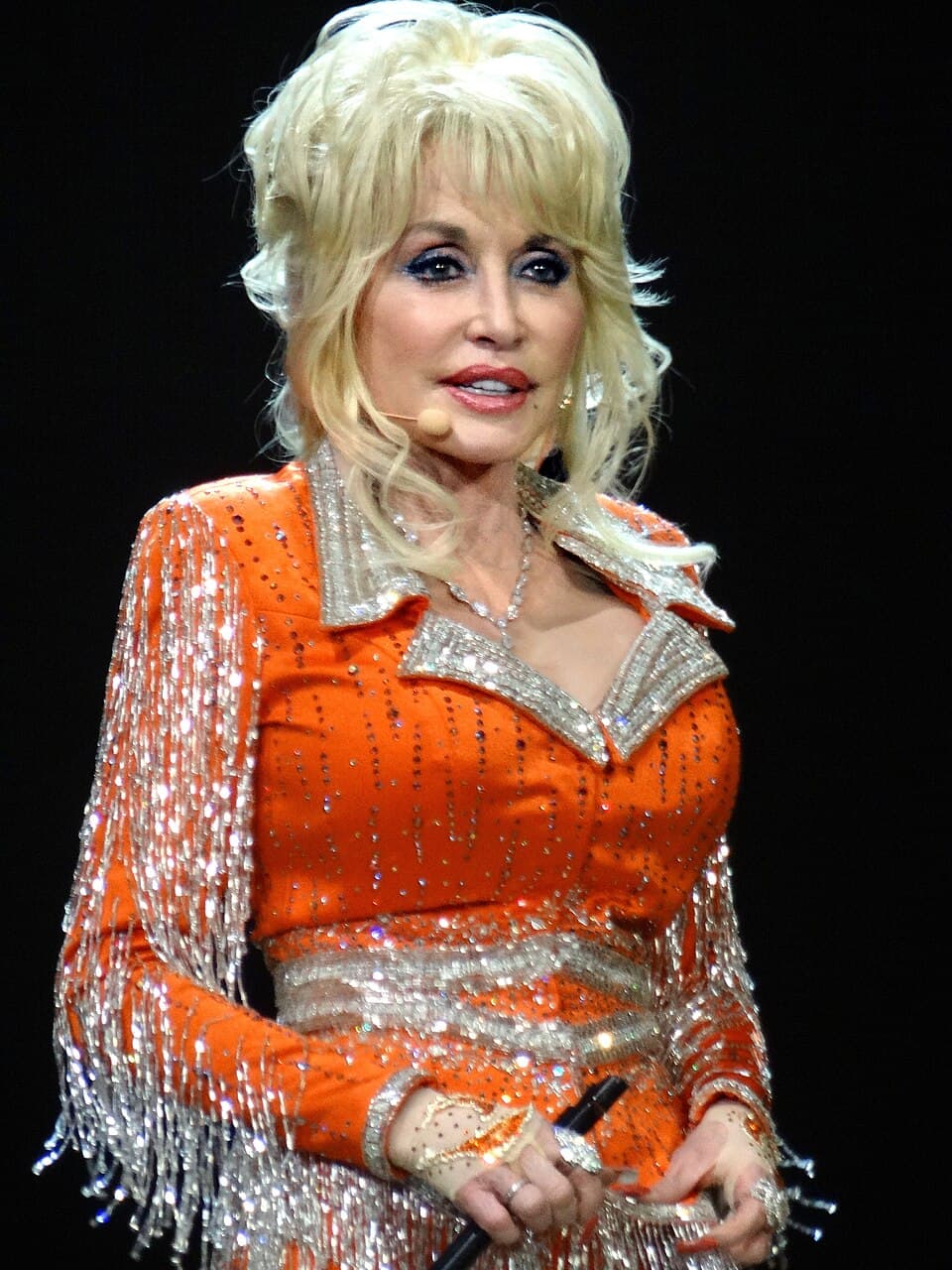
FILM№ 42
Seriously Red puts a real estate agent in rhinestones and dares you to care
Gracie Otto's debut puts a real estate agent in a rhinestone jumpsuit and dares the audience to take both the costume and the sadness underneath it seriously.
BRONTE HAUGHEY14.12.2022
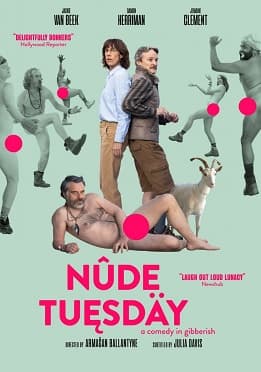
FILM№ 43
Nude Tuesday speaks a language nobody understands and that is the whole experiment
The NZ/Australian comedy is performed entirely in a made-up language with subtitles, and the gap between what you hear and what you read is where the comedy lives.
BRONTE HAUGHEY18.10.2022
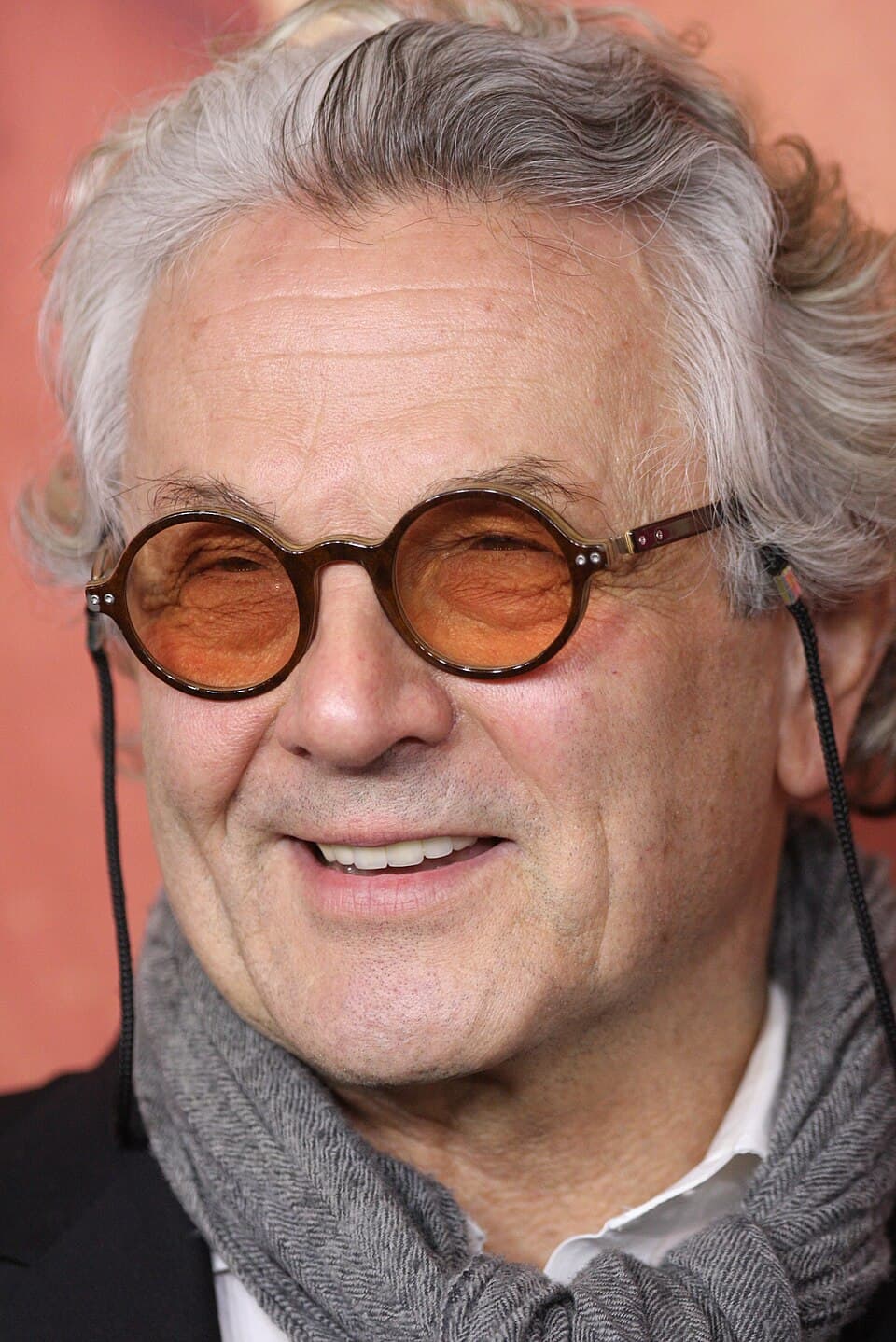
FILM№ 44
Three Thousand Years of Longing is George Miller arguing with himself in a hotel room
Miller put two actors in a room and asked what stories are for, and the film answers with images that cost more than most Australian features.
BRONTE HAUGHEY14.09.2022
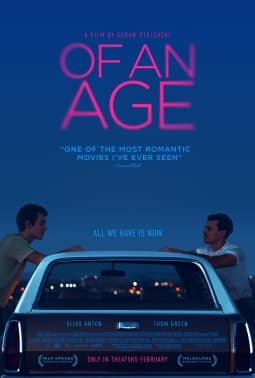
FILM№ 45
Of an Age finds tenderness in the back seat of a car in Footscray
Goran Stolevski's second feature is a 1999-set romance that earns its ache by being precise about place rather than grand about feeling.
BRONTE HAUGHEY14.07.2022
FILM№ 46
How to Please a Woman asks a question Australian cinema rarely allows its women to answer
Renée Webster built a sex comedy about middle-aged women in Fremantle and treated the premise with more seriousness than the genre usually permits.
BRONTE HAUGHEY28.06.2022
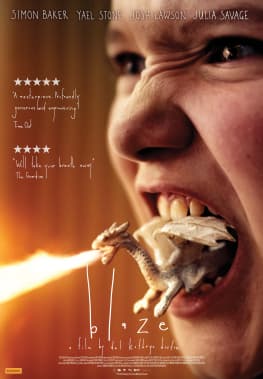
FILM№ 47
Blaze paints its trauma in colours that refuse to behave
Del Kathryn Barton's debut feature looks nothing like any other Australian film this decade, and that is both its weapon and its problem.
BRONTE HAUGHEY10.05.2022
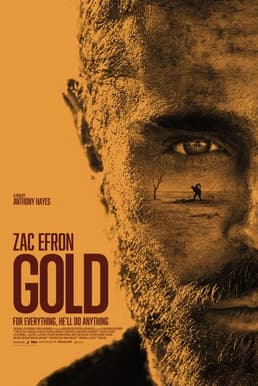
FILM№ 48
Gold buries Zac Efron in the desert and dares you to watch him dig
Anthony Hayes stripped the survival genre to one man, one hole, and ninety minutes of sun, and the restraint holds.
BRONTE HAUGHEY22.03.2022
FILM№ 49
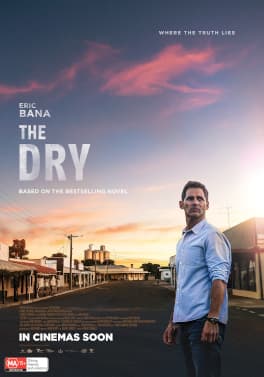
The Dry gives Eric Bana a landscape and lets him stand in it
Robert Connolly's adaptation knows the difference between withholding information and withholding feeling.
BRONTE HAUGHEY18.01.2022
FILM№ 50
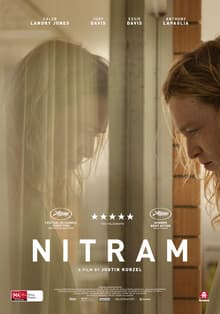
The five Australian films of 2021 that will still matter in a decade
The year gave us a portrait of a mass killer, a drought-country thriller, a sheep-farming feud, and a lucid day with a grandmother, and all four will last.
BRONTE HAUGHEY22.12.2021
FILM№ 51
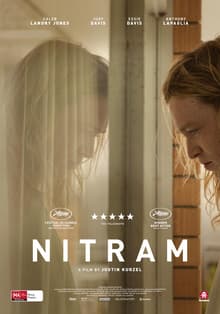
Nitram refuses to look away and refuses to explain why
Justin Kurzel made a film about the worst thing that ever happened in this country, and he did it without giving the audience anywhere to hide.
BRONTE HAUGHEY18.11.2021
FILM№ 52
June Again gives Noni Hazlehurst a second chance and does not waste it on sentiment
Hazlehurst plays a woman with dementia who gets one lucid day, and the film is wise enough to spend it on repair rather than nostalgia.
BRONTE HAUGHEY22.09.2021
FILM№ 53
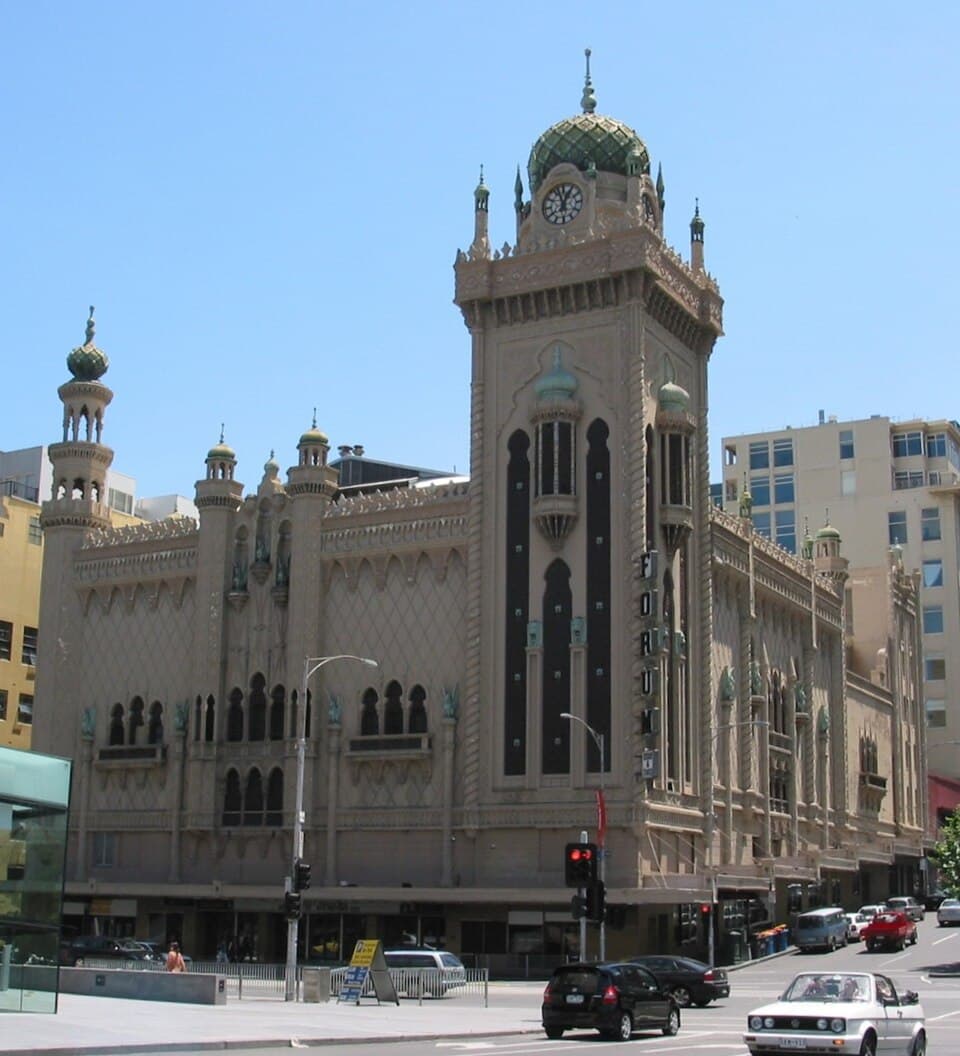
MIFF went hybrid in 2021 and discovered what a festival cannot stream
The 2021 festival split itself between cinemas and living rooms, and the living rooms lost.
BRONTE HAUGHEY20.07.2021

FILM№ 54
Nitram premiered at Cannes and nobody in the room was comfortable
Justin Kurzel brought his Port Arthur film to the Croisette and the festival held its breath for two hours.
BRONTE HAUGHEY16.06.2021
FILM№ 55
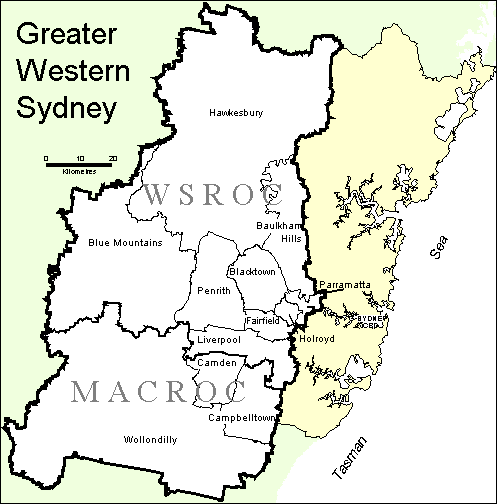
Here Out West built Western Sydney from eight directors and one shared street
Eight directors filmed eight stories on a single Western Sydney street, and the accumulation is more than any one of them could have managed alone.
BRONTE HAUGHEY26.05.2021
FILM№ 56
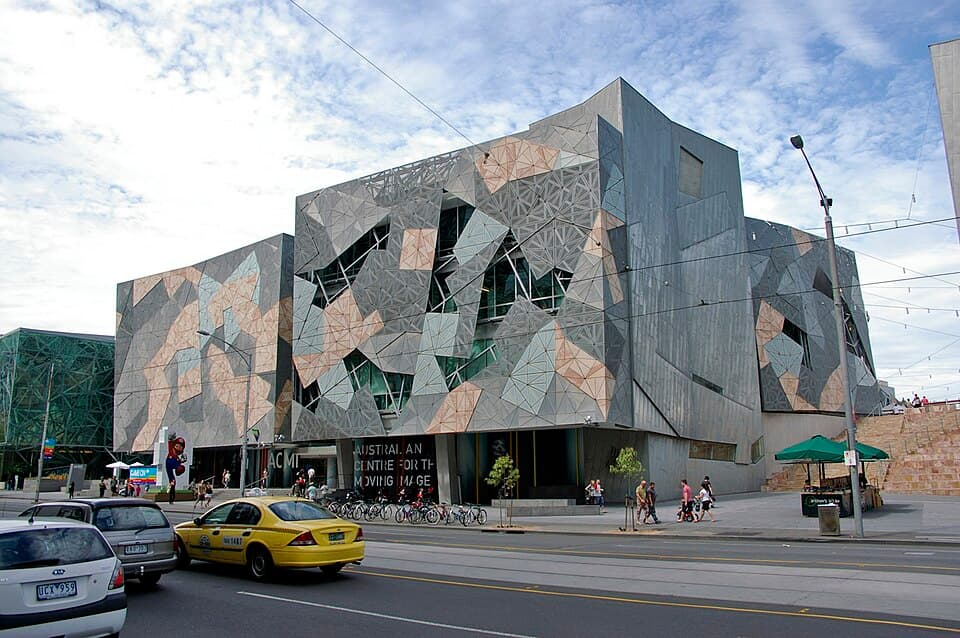
ACMI reopened and the new exhibition treats the screen as a surface worth touching
The renovation turned a film museum into a museum about looking, and the difference is worth noticing.
BRONTE HAUGHEY14.04.2021
FILM№ 57
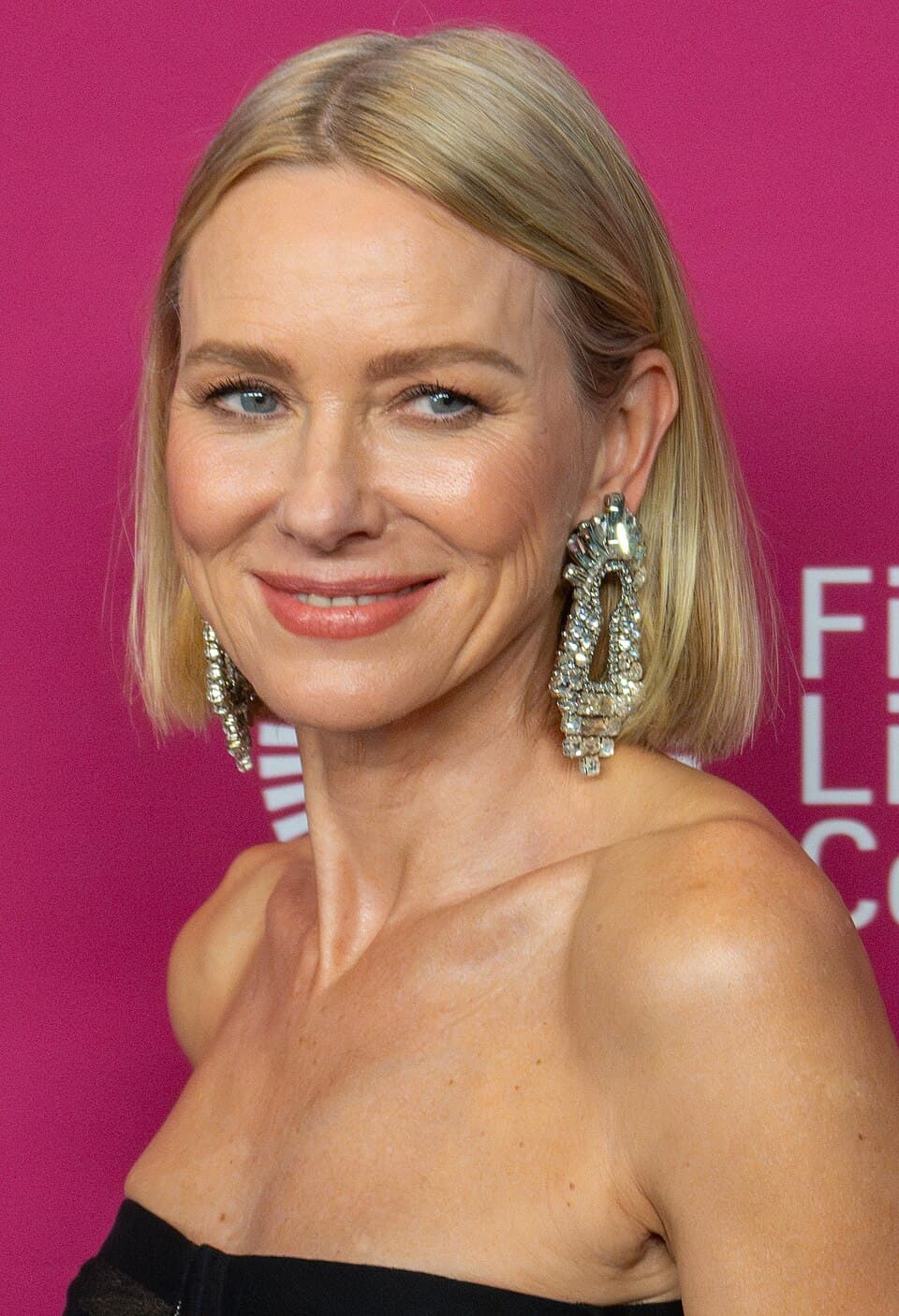
Penguin Bloom brings Naomi Watts home and does not know what to do with her
Watts returns to Australian cinema for a true story about a magpie and a spinal injury, and the film is better when it trusts the bird.
BRONTE HAUGHEY16.03.2021
FILM№ 58
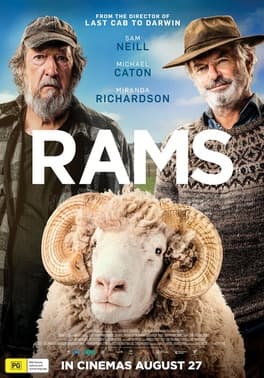
Rams gives Sam Neill and Michael Caton a flock of sheep and nothing left to say to each other
Jeremy Sims' remake finds its heart in the silence between two brothers who share a fence line and absolutely nothing else.
BRONTE HAUGHEY16.02.2021
FILM№ 59
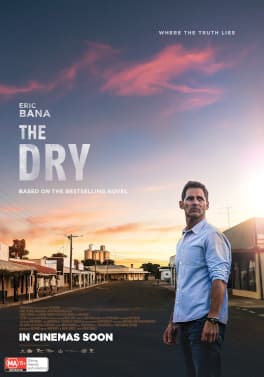
The Australian films worth anticipating in 2021
The pipeline froze in 2020, but the films that waited are beginning to move, and several of them are worth the delay.
BRONTE HAUGHEY12.01.2021
FILM№ 60
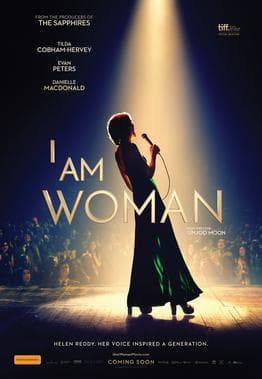
I Am Woman lets Helen Reddy sing and then buries her in biopic formula
Tilda Cobham-Hervey carries the voice and the conviction; the script carries the checklist.
BRONTE HAUGHEY24.11.2020
FILM№ 61
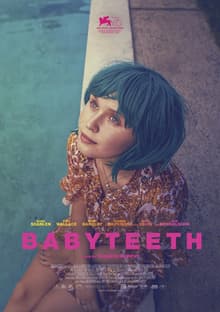
Babyteeth arrived in cinemas at exactly the wrong moment and deserved better
Shannon Murphy's debut deserved a packed cinema and instead it got a pandemic, a VOD pivot, and an audience that found it anyway.
BRONTE HAUGHEY22.06.2020
FILM№ 62
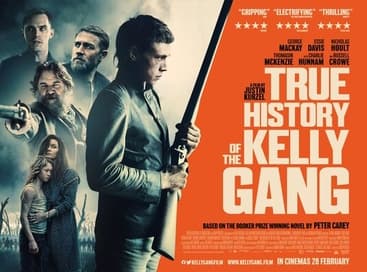
True History of the Kelly Gang sets the myth on fire and films the ashes
Kurzel's Kelly Gang film is not a biopic; it is a punk song dressed in a stolen frock, and the costume is the argument.
BRONTE HAUGHEY12.05.2020
FILM№ 63
The Australian films worth tracking in 2020
The year's most anticipated Australian films include a Ned Kelly punk opera, a surfing memoir, and a magpie, and not one of them will have an easy path to the screen.
BRONTE HAUGHEY08.02.2020
FILM№ 64
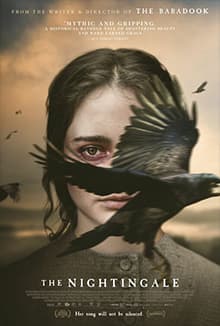
The Nightingale and the wound that will not close
Jennifer Kent's second feature is not interested in making its violence comfortable, and that is the whole point.
BRONTE HAUGHEY18.01.2020