Furiosa opened to a half-empty cinema and the film did not care
George Miller spent a decade building Furiosa and the audience showed up late, but the film was always playing to a longer clock.
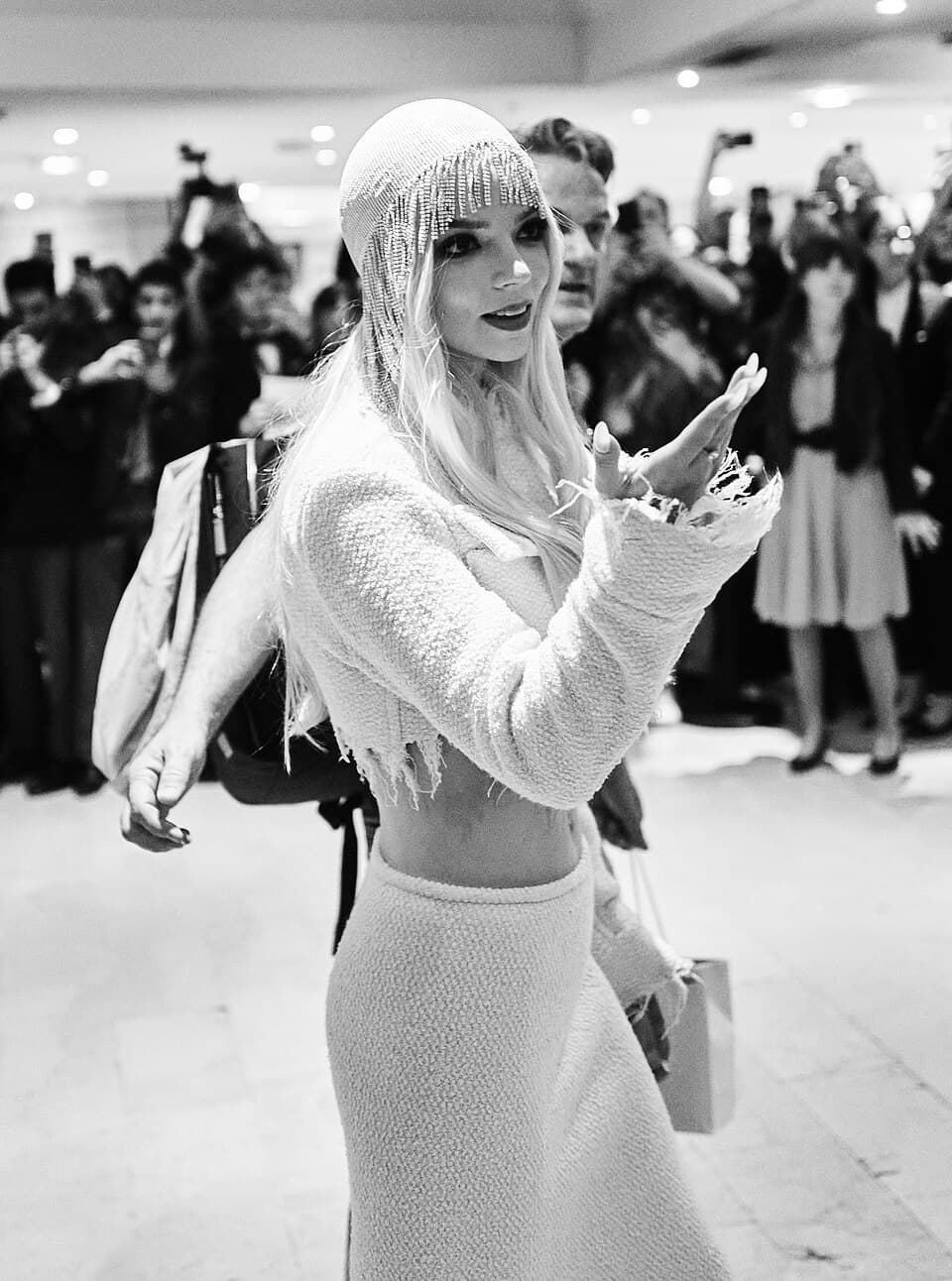
I saw Furiosa: A Mad Max Saga on a Tuesday evening in a cinema that was perhaps a third full. The screen was the largest in the complex. The sound was set to something approaching physical assault. And the film played as though every seat were taken, as though the room were packed and roaring, because that is the kind of film George Miller makes: films that do not adjust their scale to the size of their audience. The opening weekend numbers came in and they were bad, or at least they were described as bad, which is a different thing. Sixty-seven million dollars worldwide against a reported budget north of one hundred and fifty. The trades called it a disappointment. The word “flop” was used with the casualness that industry journalism reserves for films that have not yet had time to find their audience.
This is a familiar story for Miller. Fury Road opened in 2015 to similarly modest numbers and similarly anxious coverage, before spending the next several years becoming one of the most celebrated action films ever made, winning six Academy Awards, and entering the culture so thoroughly that its visual language became a kind of shorthand. The war rig. The flame-throwing guitar. Furiosa’s shaved head and grease-paint. These images did not arrive in the culture through opening-weekend box office; they arrived through repetition, through the slow accumulation of viewings and re-viewings that turns a film into a reference point. Fury Road was always a film that played to a longer clock, and Furiosa is the same, though the market it opened into was crueller and more distracted than the one that greeted its predecessor.
The action grammar nobody else uses
What Miller does with action is so fundamentally different from the standard blockbuster approach that it can be difficult to articulate the distinction without sounding like you are simply saying he is better, which is reductive, though he is. The difference is structural. Most contemporary action filmmaking operates through accumulation: more cuts, more coverage, more angles, more visual information compressed into shorter and shorter intervals. The effect is density without clarity, a kind of sensory saturation that registers as excitement without ever producing genuine spatial understanding. You feel the action. You do not see it.
Miller directs action the way a sentence is constructed: subject, verb, object, each element placed so that the eye moves through the frame the way it moves across a page. Every shot in a Miller chase sequence has a centre of attention. The camera moves with the action rather than against it. The cuts are fast but they are legible, each one delivering a single piece of information that builds on the previous cut and sets up the next. This is not a stylistic preference; it is a discipline, one that Miller has refined across forty-five years and four Mad Max films, and it produces a quality of excitement that is physiologically different from the standard blockbuster experience. You do not just feel the action. You understand it, and that understanding intensifies the feeling.
Anya Taylor-Joy’s silence and Hemsworth’s noise
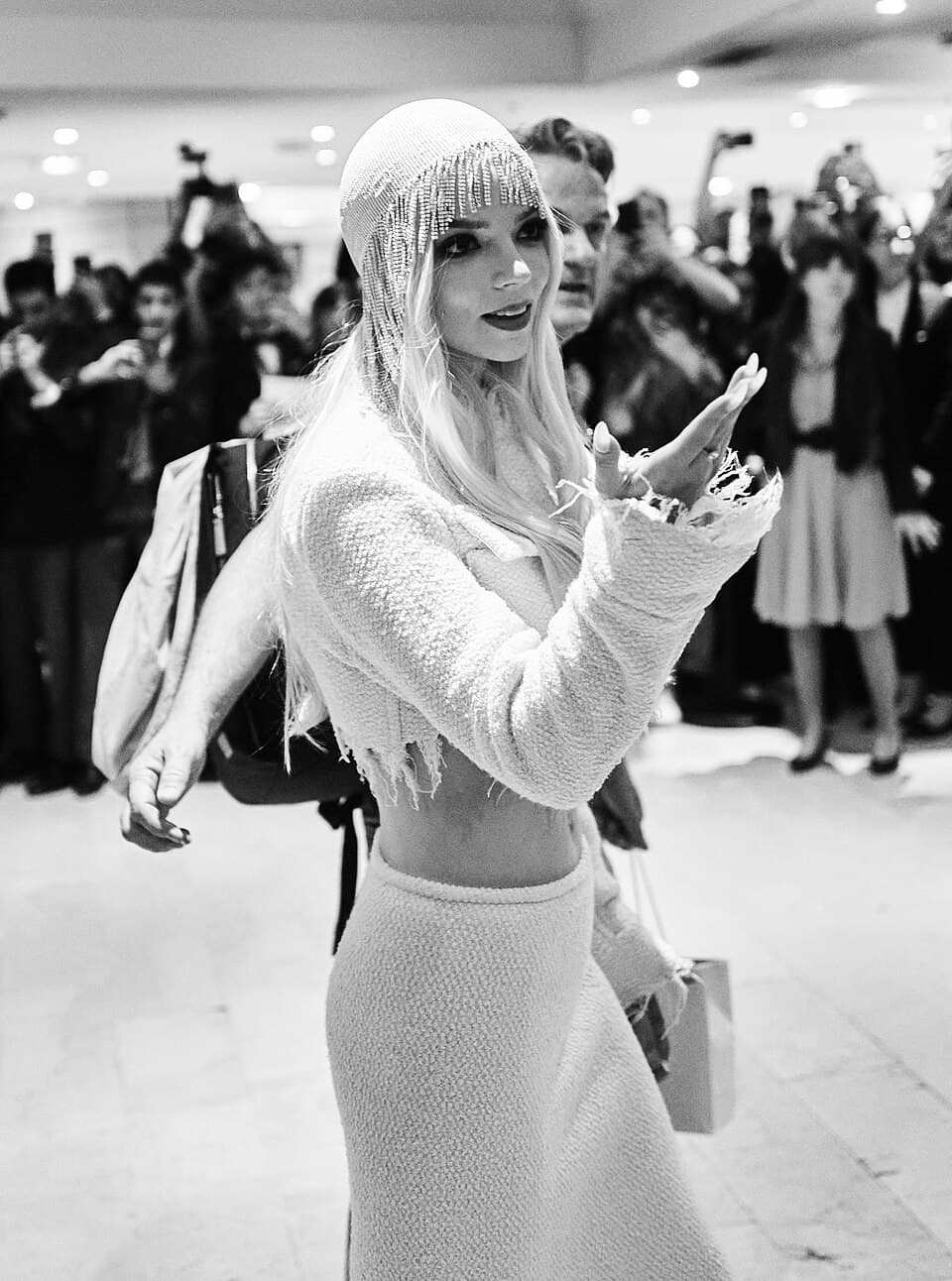
Furiosa spans fifteen years of its title character’s life, splitting the role between Alyla Browne as the child Furiosa and Anya Taylor-Joy as the adult. Taylor-Joy’s performance is built on reduction. She strips the character back to essentials: eyes, posture, the tension in a jaw, the way her body holds itself in readiness. She speaks rarely, and when she does the words are functional, stripped of ornament. This is not an actor performing toughness; it is an actor performing containment, the discipline of a person who has learned that expression is a vulnerability she cannot afford. It is a performance that works through negative space, through what is withheld, and it is better suited to Miller’s visual grammar than a more expressive approach would have been.
Chris Hemsworth, by contrast, plays Dementus as a man made entirely of surfaces: charm, cruelty, theatricality, a warlord who performs his own power with such relentless enthusiasm that you begin to suspect there is nothing underneath. It is the best work Hemsworth has done, in part because Miller understands what Hemsworth’s charisma actually is and how to use it. In the Marvel films, Hemsworth’s physical beauty and comic timing are presented as virtues; here they are tactics, the tools of a man who has survived the Wasteland by making people believe he is more dangerous than he is. The performance has a desperation to it that Hemsworth has never shown before, a neediness beneath the swagger, and it gives the film’s long middle section a human engine that complements Furiosa’s silence.
What the box office does not measure
The conversation around Furiosa’s commercial performance has focused on the usual variables: franchise fatigue, the nine-year gap since Fury Road, the absence of a returning star (Charlize Theron did not reprise the role), competition from other tentpole releases. These explanations are not wrong, exactly, but they describe the market rather than the film, and the film is indifferent to the market’s verdict. Miller is seventy-nine years old. He has been making films since 1979. He does not work quickly, and he does not work to trend. Furiosa took a decade to develop, shoot and finish, and it has the density and precision of a film that has been built rather than assembled, every frame considered, every action beat calibrated to produce a specific response.
The market in 2024 is not hospitable to this kind of filmmaking. Theatrical audiences have been trained by streaming to expect convenience, to wait for the home release, to treat the cinema as an option rather than a destination. The films that still draw large opening weekends tend to be sequels with returning casts and familiar emotional beats, products designed to deliver exactly what the audience already wants. Furiosa is a prequel with a new cast and a narrative structure that refuses the simple satisfaction of a hero’s journey. It is a film that asks you to sit in a dark room for two and a half hours and submit to its rhythms, and the market’s response to that request was, on opening weekend, a polite declination.
The longer clock
None of this will matter in five years. Furiosa will find its audience the way Fury Road found its audience, through accumulation, through the patient process of one person watching it and telling another person to watch it and that person watching it and understanding, fifteen minutes in, that they are seeing something they have not seen before. The film does not need the opening weekend’s permission to be what it is. It was always playing to a longer clock: the clock of cinema history, of craft, of the slow recognition that arrives when the noise of the release window has faded and the film is left standing on its own merits, in a half-empty room, at full volume, playing as though every seat were filled.
Miller has been here before. He will likely not be here again; Furiosa may be his last film, or it may not, but either way it is the work of a director who has nothing left to prove and is proving it anyway, building action sequences of such clarity and force that they make the rest of the industry look like it is working from a different manual. The cinema was a third full on a Tuesday night. The film did not care. It played at the scale it was made for, and the scale was vast, and the empty seats did not diminish it. They just meant that fewer people saw it that night, and more would see it later, and the film would wait, the way all great films wait, patient and indifferent and entirely itself.
Bronte writes long-form criticism of Australian cinema and the international art films that feed into it. She was on the ground at Cannes in 2019 and has not entirely forgiven the festival for 2020. Patient with slow films; impatient with tidy ones.
MORE BY BRONTE HAUGHEY →
Furiosa and the country George Miller will not leave
Two years after Furiosa underperformed in May 2024, the picture has clarified into the most patiently photographed film of George Miller's career, and possibly the last one he will shoot in the Hay plains.
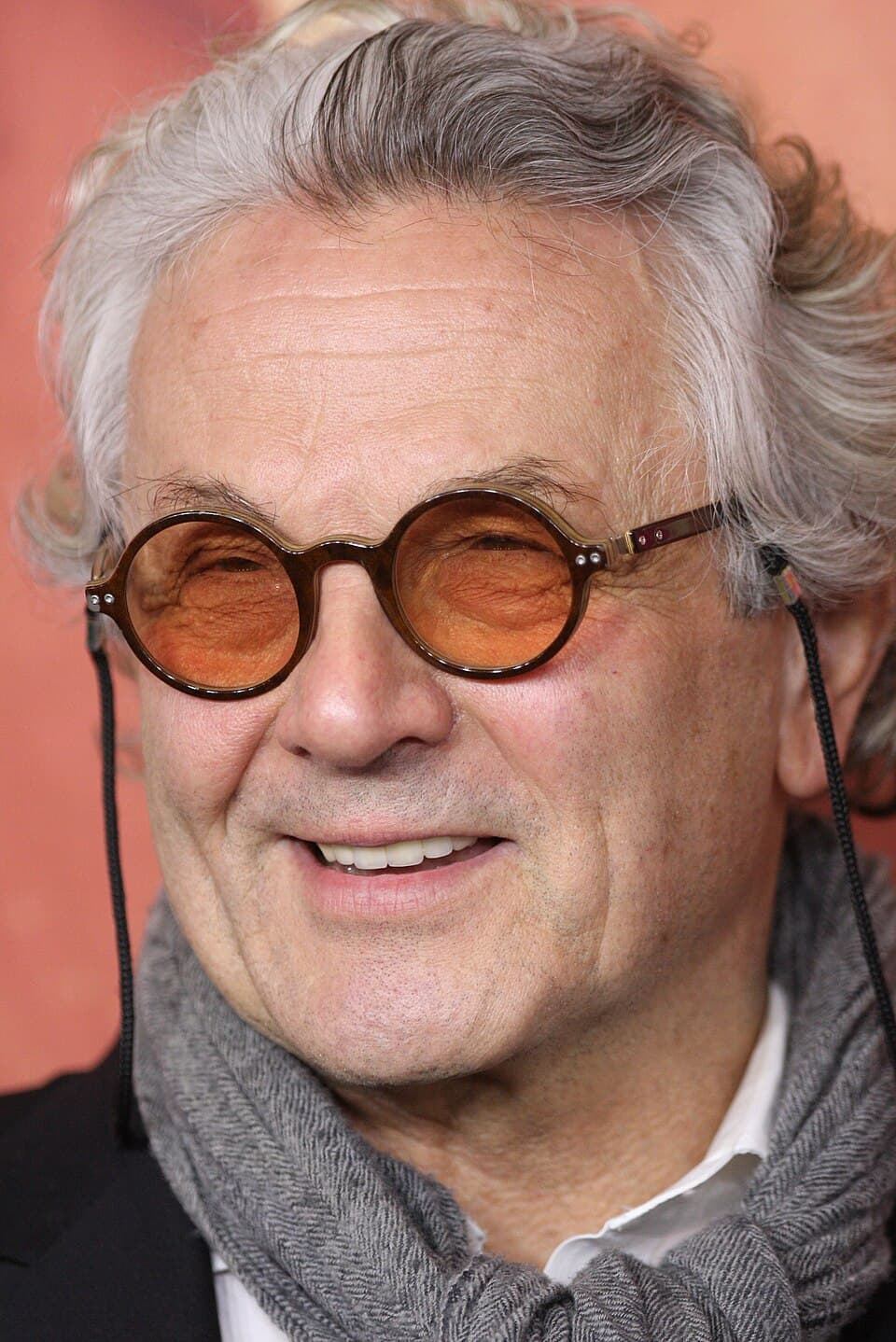
George Miller made a film about storytelling and the audience wanted another car chase
Miller's most personal film is also his most ignored, and the distance between the two says more about the audience than the director.
Furiosa opened to $8.5 million in Australia and the number needs context
The domestic opening was soft against the budget but strong against every other Australian film this decade, and both facts are true.