LOADING…
▶ INDUSTRY REPORTER
ODETTE MALOUF
Funding, policy, strikes, box office, streamer deals
Odette covers the business of Australian screen. Previously a financial journalist. Reads every Screen Australia annual report the week it drops. Short paragraphs, long memory, never misses a figure.
WRITING HERE SINCE FEBRUARY 2020
BY ODETTE MALOUF58 PIECES
INDUSTRY№ 01
84 per cent want local content. 36 per cent say it is easy to find
Screen Australia's Screen Currency 2026 report finds strong demand for Australian screen stories and a discovery problem that no amount of production funding fixes on its own.
ODETTE MALOUF08.10.2026
INDUSTRY№ 02
Screen Australia put $5.7 million across 47 documentaries, about $121,000 each
Screen Australia announced more than $5.7 million for 47 documentary projects on 2 October, and the agency's own audience research explains why it is framing the round the way it is.
ODETTE MALOUF03.10.2026
INDUSTRY№ 03
Spider-Man took more in one weekend than Australian films took in six months
Cinemas had a record first half of 2026, and Australian films took $17.1 million of it, more than half from two studio-distributed titles.
ODETTE MALOUF13.09.2026
INDUSTRY№ 04
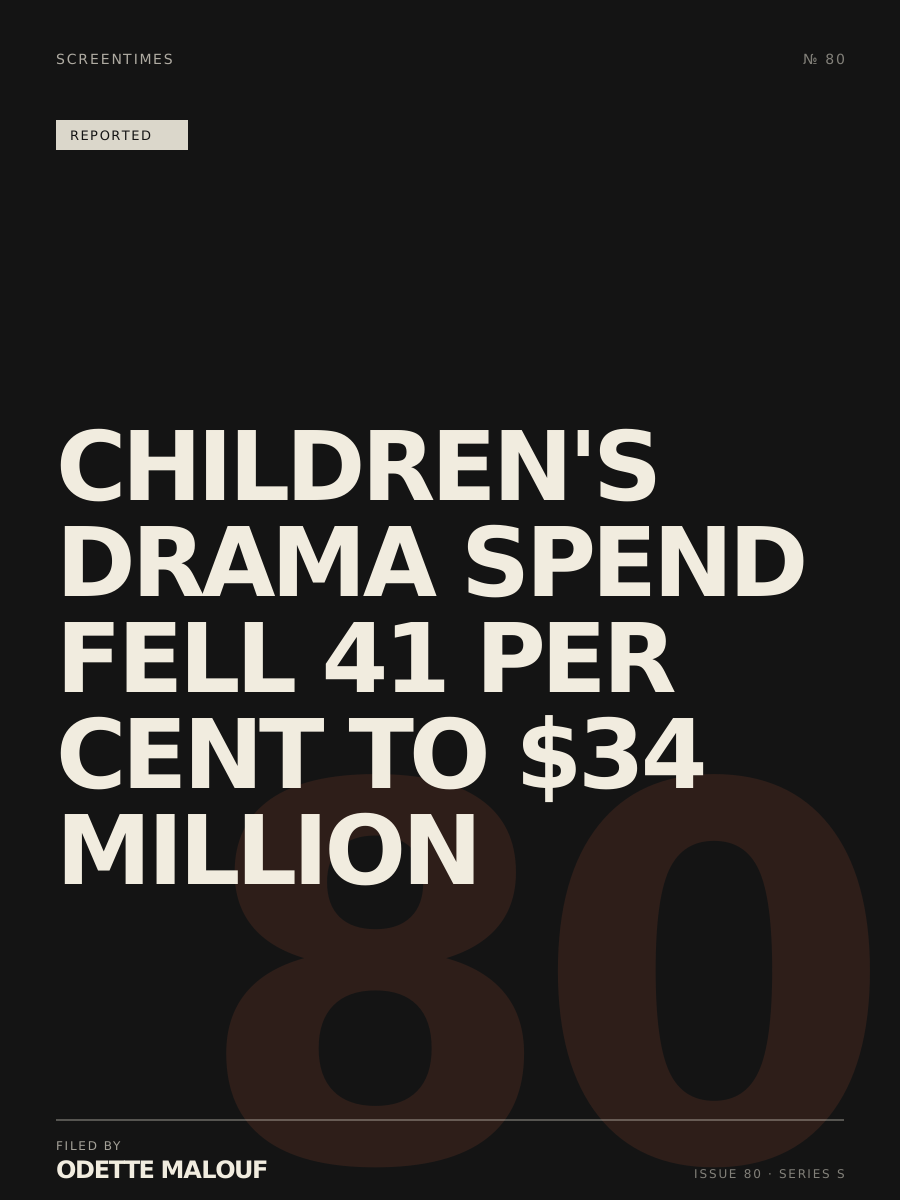
Children's drama spend fell 41 per cent to $34 million
Screen Australia's Drama Report recorded a record $2.7 billion in production spend, and the single steepest movement in it was a collapse in children's content.
ODETTE MALOUF11.08.2026
INDUSTRY№ 05
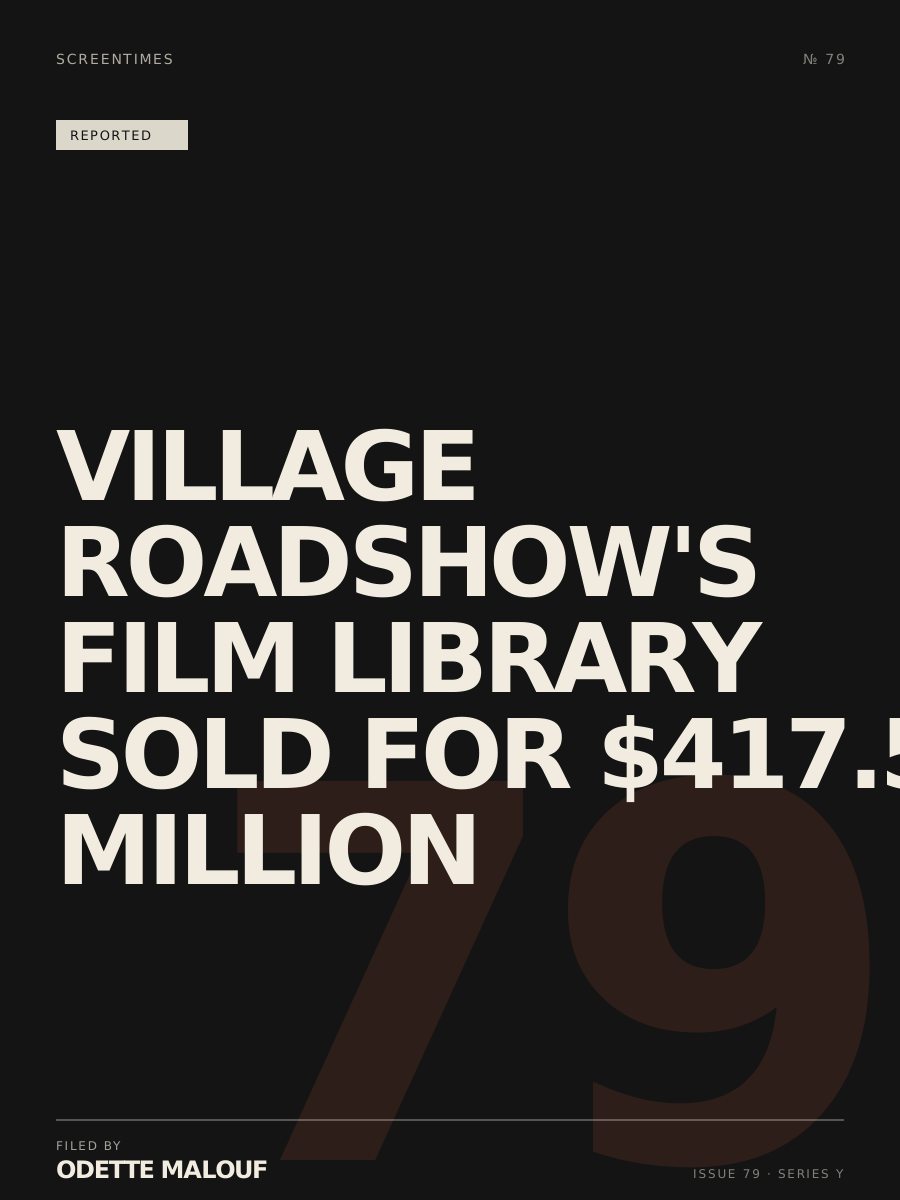
Village Roadshow's film library sold for $417.5 million
Alcon Entertainment paid $417.5 million for 108 films carrying an Australian company's name, in which the Australian stake was 2 per cent.
ODETTE MALOUF26.07.2026

INDUSTRY№ 06
A sports streamer now owns one of our biggest drama buyers
DAZN has completed its A$3.4 billion purchase of Foxtel, handing a sports-first global platform control of a company that has been a steady commissioner of Australian scripted drama.
ODETTE MALOUF14.06.2026
INDUSTRY№ 07
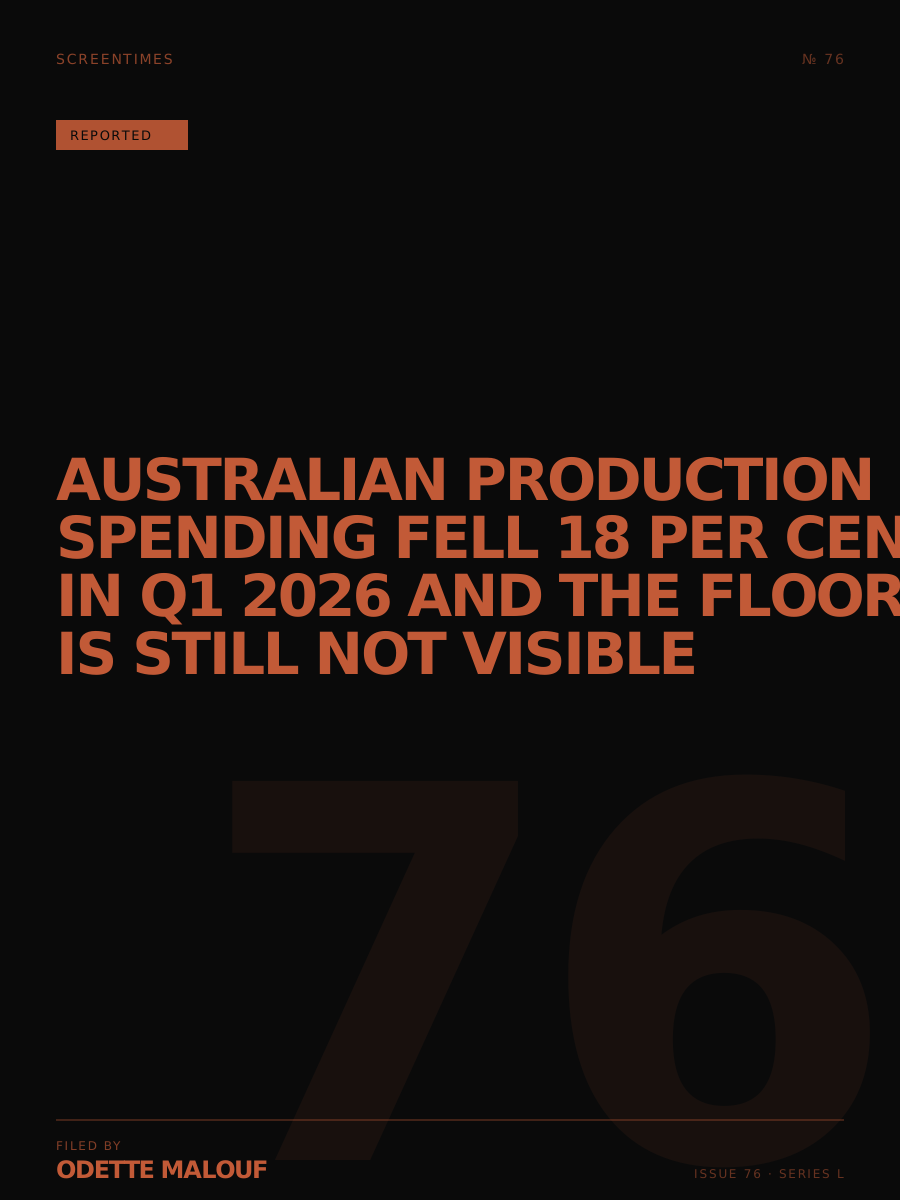
Australian production spending fell 18 per cent in Q1 2026 and the floor is still not visible
The first quarter of 2026 saw $310 million in total production activity, down from $378 million in Q1 2025, and the independent sector took the largest hit.
ODETTE MALOUF28.04.2026
INDUSTRY№ 08
Screen Australia funded 112 development projects in 2025 and most will never be made
The development fund is the widest part of the funnel and the least visible, and the conversion rate tells the real story.
ODETTE MALOUF24.03.2026
INDUSTRY№ 09
The SVOD local content quota is one year old and the numbers are in
The streamers were required to spend locally and most of them did, but the definition of 'local' is doing more work than the regulators intended.
ODETTE MALOUF24.02.2026
INDUSTRY№ 10
Australian films earned $340 million internationally in 2025 and most of it was one film
Remove the outlier and the international number drops to $48 million, which is closer to the structural truth.
ODETTE MALOUF22.01.2026
INDUSTRY№ 11
The Australian screen industry enters 2026 with fewer commissions and more questions
Total commissions are down 22 per cent on the 2023 peak, and the local content quota has not yet made up the difference.
ODETTE MALOUF20.11.2025
INDUSTRY№ 12
Screen Australia's mid-year data shows a pipeline with gaps in the middle
The top and bottom of the pipeline are functioning; the mid-budget features that sustain careers are still missing.
ODETTE MALOUF08.09.2025
INDUSTRY№ 13
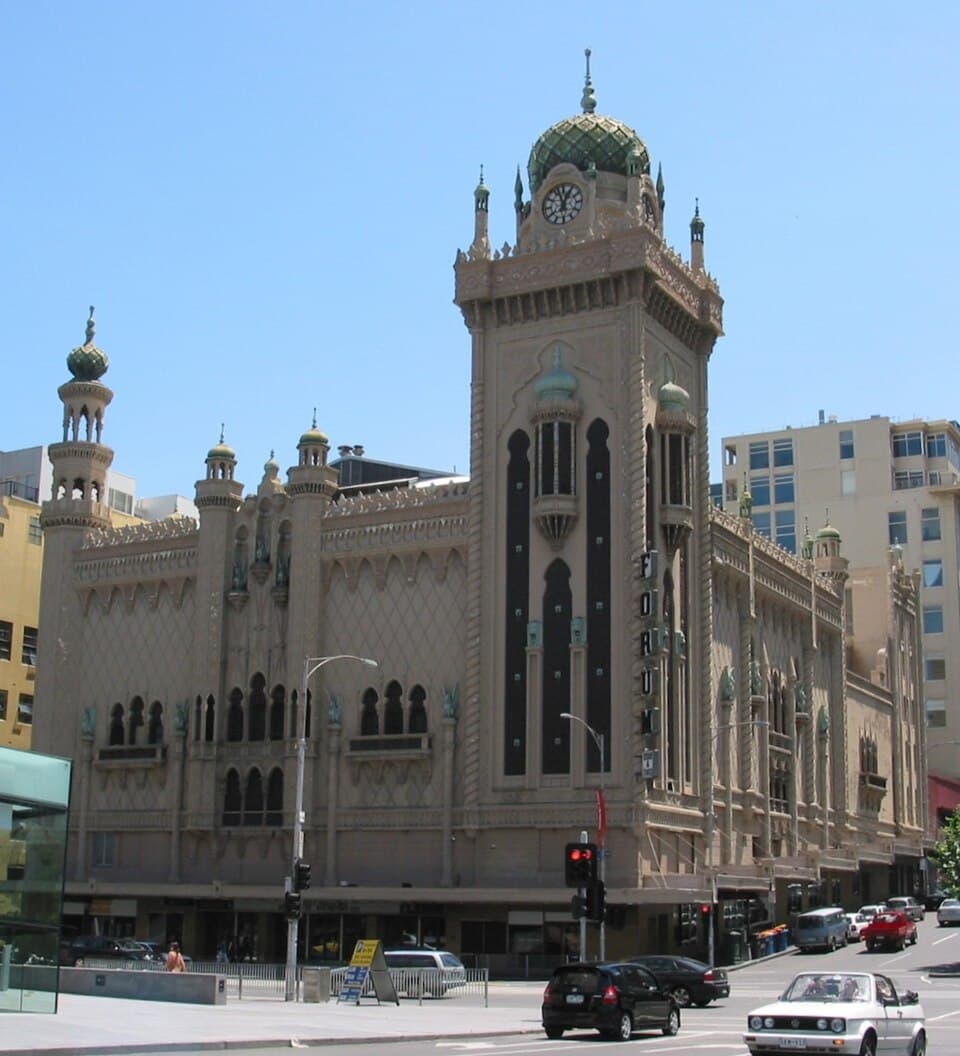
MIFF 2025 sold 155,000 tickets and the maths still does not add up
Ticket sales are up 5 per cent on 2023, but sponsorship is flat and the programming budget came in under inflation.
ODETTE MALOUF30.07.2025

INDUSTRY№ 14
Australia brought two films to Cannes in 2025 and neither one apologised for being difficult
The Australian selection at Cannes was smaller than 2023 but the films were harder sells, and that is not a criticism.
ODETTE MALOUF22.05.2025
INDUSTRY№ 15
Victoria, NSW, and Queensland all fund film differently and the results prove it
Three states, three models, three different answers to the same question: what is screen funding for?
ODETTE MALOUF28.04.2025
INDUSTRY№ 16
Australian cinema's 2024 awards season by the numbers
Three Australian features made the international circuit in 2024, and the funding trail behind each tells a different story.
ODETTE MALOUF12.03.2025
INDUSTRY№ 17
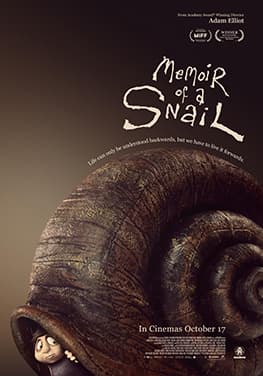
Memoir of a Snail's Oscar campaign cost more than the film and that is the system working as designed
The campaign budget for a $7 million claymation feature exceeded the production budget, and Screen Australia helped foot the bill.
ODETTE MALOUF18.02.2025

INDUSTRY№ 18
The AACTA nominations told the industry what it already knew and added one surprise
Memoir of a Snail led with nine nominations, which was expected; the surprise was where the television categories landed.
ODETTE MALOUF18.11.2024
INDUSTRY№ 19
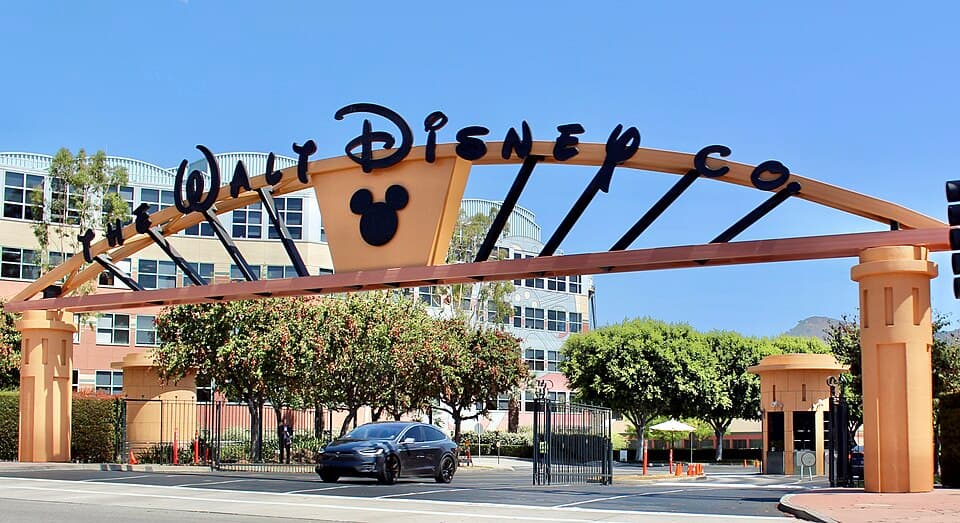
Disney and Paramount are pulling back from Australia and the silence is telling
Two of the five major streamers have quietly reduced their Australian commissioning, and the local production sector has not yet said the word 'contraction' out loud.
ODETTE MALOUF08.10.2024
INDUSTRY№ 20
Netflix spent $180 million in Australia in the first half of 2024 and commissioned less
The spend is up, the commissions are down, and the difference is explained by one word: scale.
ODETTE MALOUF26.08.2024

INDUSTRY№ 21
Sydney Film Festival sold out its opening night and struggled to fill the rest
The State Theatre was full on night one; by day five the programme was competing with itself and the weather.
ODETTE MALOUF26.06.2024

INDUSTRY№ 22
Furiosa opened to $8.5 million in Australia and the number needs context
The domestic opening was soft against the budget but strong against every other Australian film this decade, and both facts are true.
ODETTE MALOUF28.05.2024
INDUSTRY№ 23
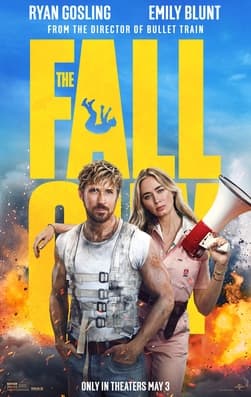
The Fall Guy spent $200 million in New South Wales and left with the negatives
The biggest production ever to shoot in Australia created 1,200 local jobs and took the finished film to Universal's lot in LA.
ODETTE MALOUF15.04.2024

INDUSTRY№ 24
The Australian screen workforce lost 4,200 people in two years and the pipeline has not noticed
The MEAA survey found that one in five below-the-line crew left the industry between 2022 and 2024, and the productions still filming have not yet felt the gap.
ODETTE MALOUF20.03.2024

INDUSTRY№ 25
Stan's subscriber number is not the whole story
Nine says Stan is growing, and it is, but the margins tell a more cautious tale.
ODETTE MALOUF22.02.2024
INDUSTRY№ 26
The 2023 Australian box office told two stories and believed neither
Total box office recovered to $1.1 billion, but the Australian share fell to 3.8 per cent, the lowest in a decade.
ODETTE MALOUF22.01.2024

INDUSTRY№ 27
Stan's original content slate shrank by a third and the strategy behind it is silence
Nine cut Stan's original commissions from twelve to eight in 2023, and the company has not explained the rationale publicly.
ODETTE MALOUF08.11.2023
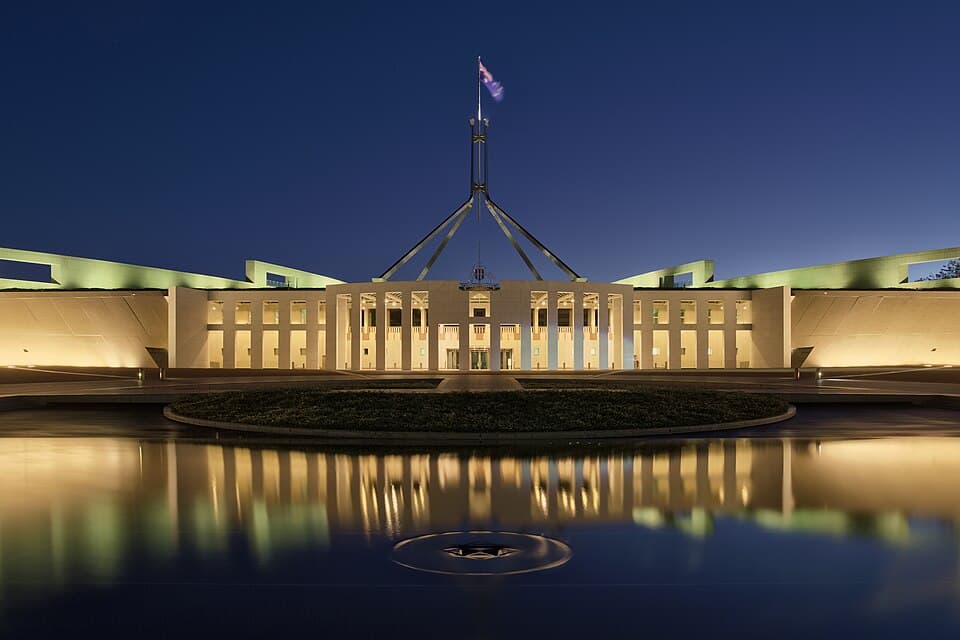
INDUSTRY№ 28
Screen Australia's 2022-23 annual report buried the interesting number on page forty-seven
Total production activity hit $2.1 billion and the domestic share shrank to 28 per cent, which is the number nobody put in the headline.
ODETTE MALOUF18.09.2023

INDUSTRY№ 29
Australian production hit its 2023 peak in August and the pipeline was already cooling
Thirty-eight productions were in active photography in August, the highest since COVID, and by October the number will drop to twenty-two.
ODETTE MALOUF24.08.2023
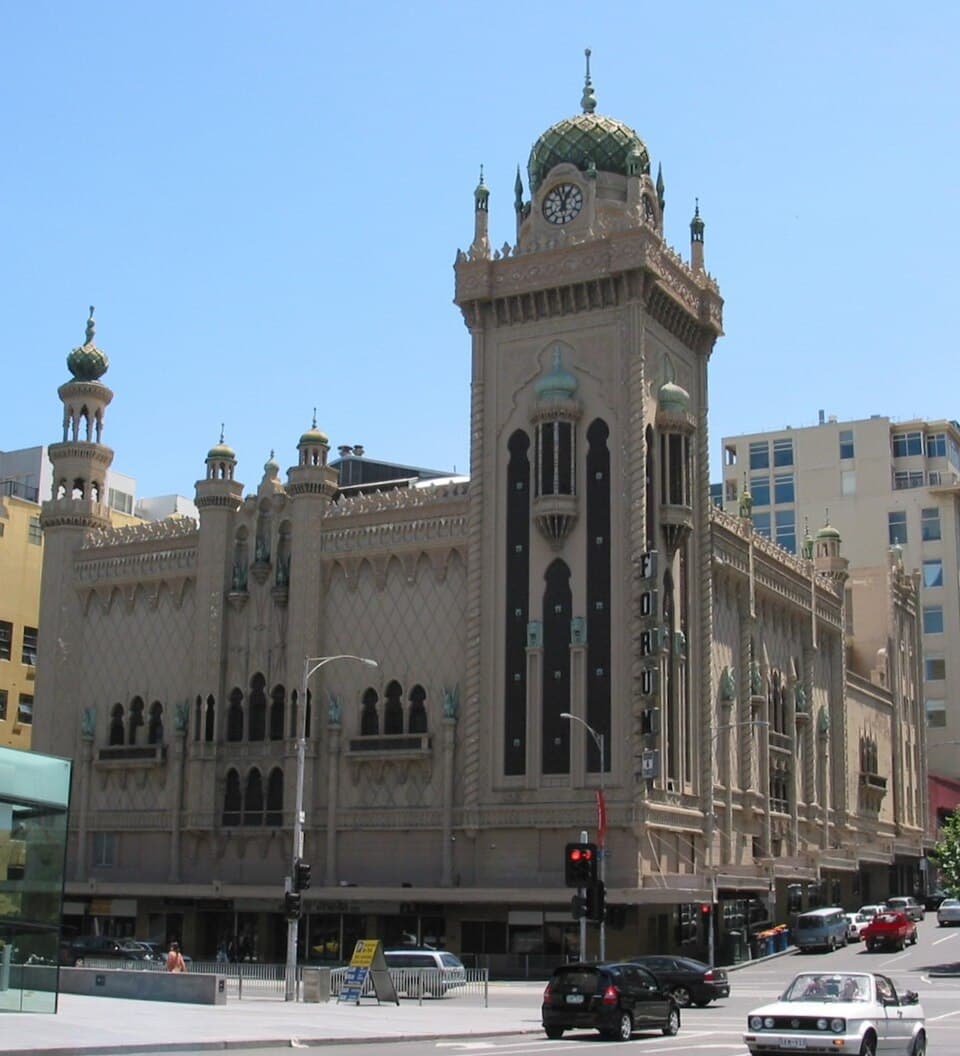
INDUSTRY№ 30
MIFF sold 148,000 tickets in 2023 and the margin was thinner than ever
The audience came back, the sponsorship did not, and the festival is running on volunteer labour and Creative Victoria grants.
ODETTE MALOUF28.07.2023
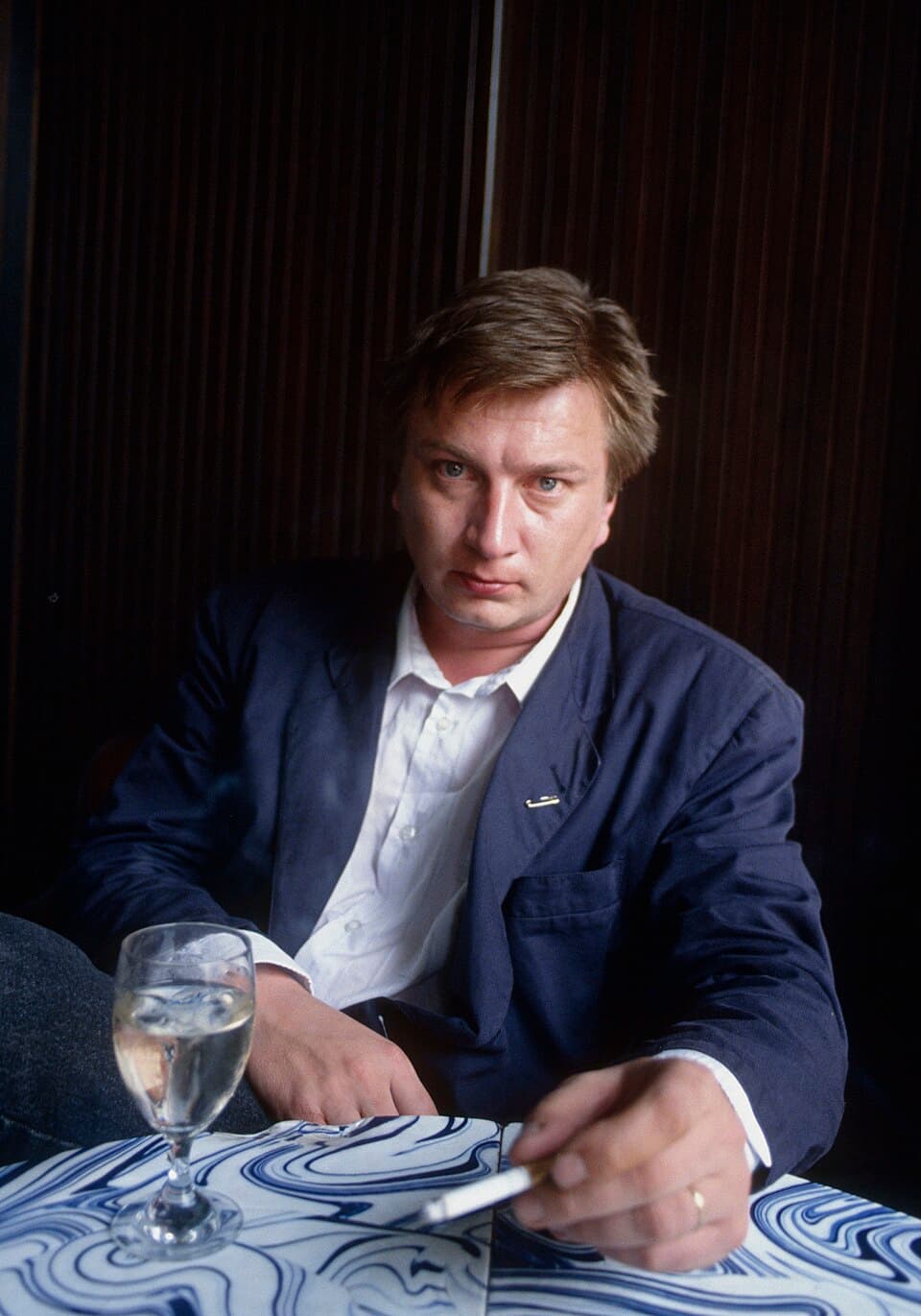
INDUSTRY№ 31
Australia sent three films to Cannes in 2023 and each one argued a different case
Warwick Thornton, the Philippou brothers, and Kitty Green all landed at the Croisette, and the three films could not have been more different.
ODETTE MALOUF24.05.2023
INDUSTRY№ 32
Screen NSW handed out $18 million and the mid-budget feature got the smallest share
The state fund backed 34 projects in the last cycle, but the distribution reveals a preference for television and international co-productions over standalone features.
ODETTE MALOUF08.03.2023

INDUSTRY№ 33
Australian cinema attendance recovered to 78 per cent of pre-COVID levels and then stopped
The audience came back, but not all of it, and the missing 22 per cent is not coming.
ODETTE MALOUF16.01.2023

INDUSTRY№ 34
The AACTA nominations went where the industry expected and that is the problem
Elvis led with twelve nominations, The Stranger picked up eight, and the pattern of big-budget domination continued unchallenged.
ODETTE MALOUF22.11.2022

INDUSTRY№ 35
Netflix spent $300 million in Australia and the question is what it bought
The spend is real, the jobs are real, but the IP question remains unanswered.
ODETTE MALOUF18.10.2022
INDUSTRY№ 36
Australia sent four films to Toronto in 2022 and three of them sold
The Toronto market moved quickly for Of an Age and The Stranger, slower for Seriously Red, and not at all for the fourth.
ODETTE MALOUF26.09.2022

INDUSTRY№ 37
Sydney Film Festival 2022 sold out the State Theatre and struggled to fill everything else
The gala screenings were full, the mid-afternoon documentary sessions were not, and the gap tells you where the audience is willing to spend.
ODETTE MALOUF12.07.2022
INDUSTRY№ 38
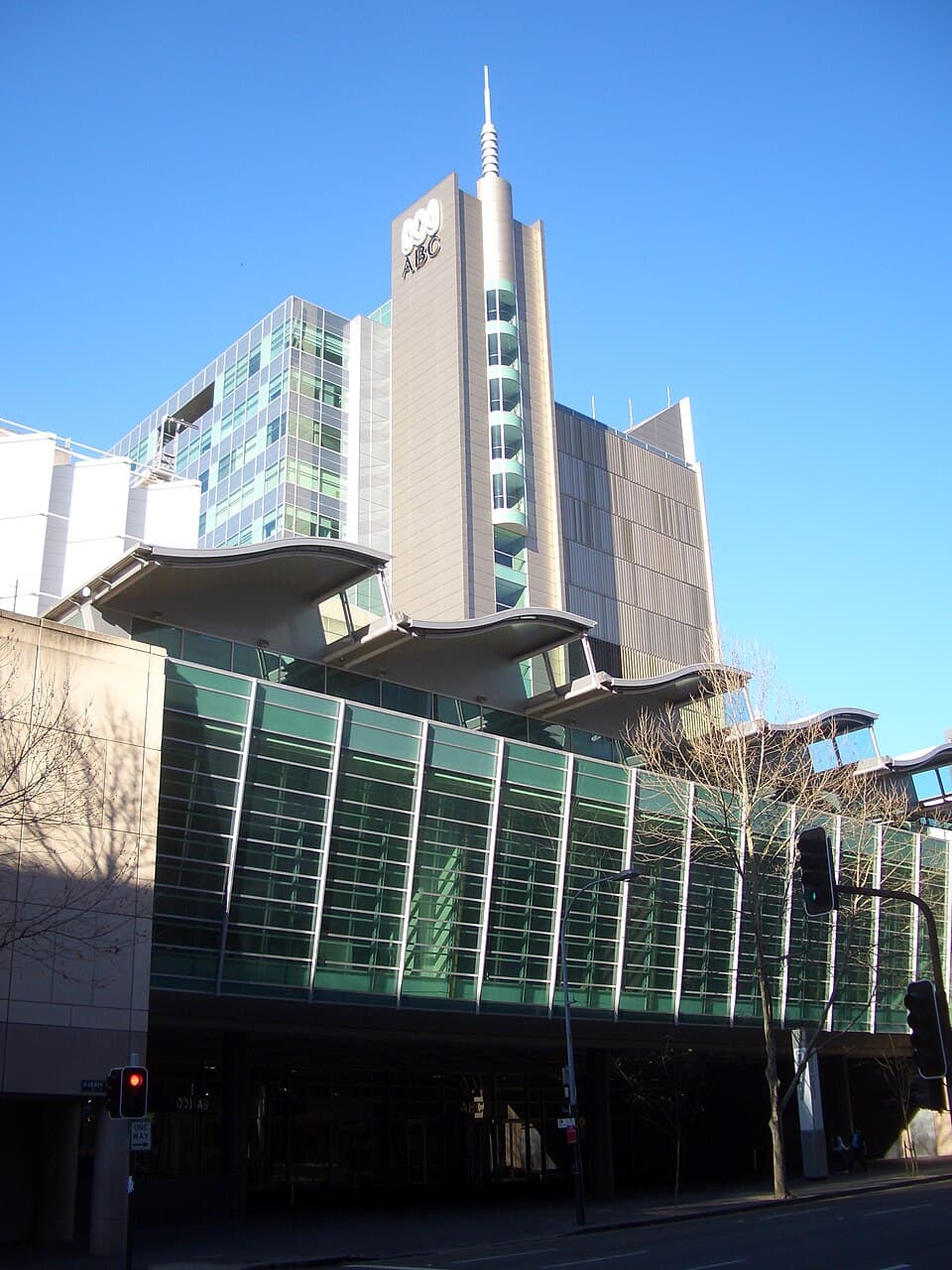
The local content quota fight that nobody is winning
The government wants streamers to spend locally, the streamers want flexibility, and the independent sector wants both to stop pretending this is about them.
ODETTE MALOUF20.06.2022

INDUSTRY№ 39
The AACTAs went to Nitram and The Dry and the audience still was not watching
Nitram won seven AACTAs and The Dry won Best Film, and the combined domestic box office of the two was still less than one weekend of a Marvel sequel.
ODETTE MALOUF18.05.2022
INDUSTRY№ 40
Australian film's gender parity numbers improved and the mid-budget gap stayed the same
Women directed 37 per cent of funded features in 2021, up from 16 per cent a decade ago, but the budgets they received tell a different story.
ODETTE MALOUF20.04.2022
INDUSTRY№ 41
Screen Australia's $212 million year and the question nobody asked
The number is the largest on record, but the distribution tells a different story.
ODETTE MALOUF15.03.2022

INDUSTRY№ 42
MEAA negotiated new crew rates and the independent sector said it could not afford them
The new minimum rates are a 12 per cent rise over the expired agreement, and the debate is whether the industry can absorb them or pass them on.
ODETTE MALOUF16.02.2022

INDUSTRY№ 43
The 2021 production pipeline closed with $1.8 billion in activity and a crew shortage
Record spending met a workforce that had spent eighteen months doing something else, and the gap showed.
ODETTE MALOUF16.12.2021
INDUSTRY№ 44
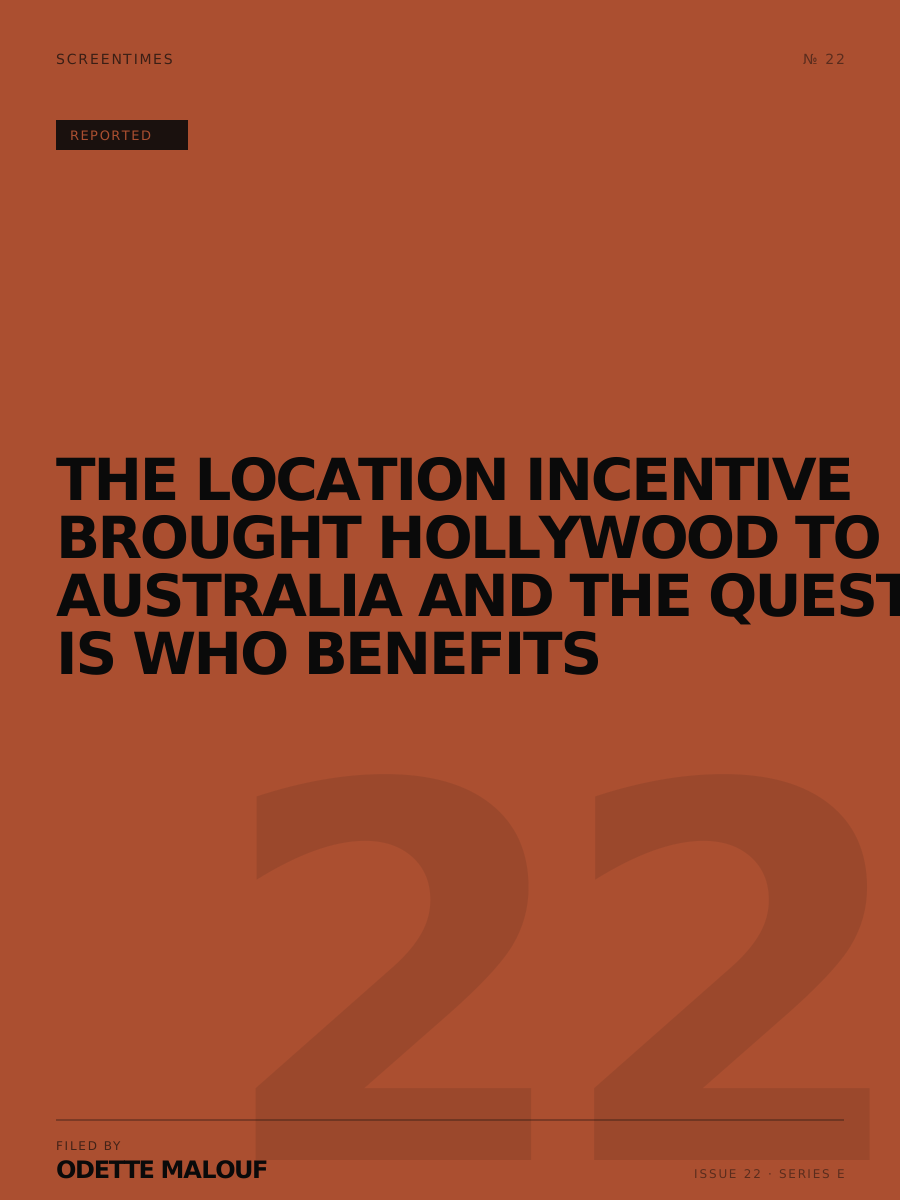
The Location Incentive brought Hollywood to Australia and the question is who benefits
The federal government tripled the Location Incentive to $540 million, and the productions lining up are not Australian stories.
ODETTE MALOUF12.10.2021

INDUSTRY№ 45
The mid-2021 box office recovered to 62 per cent and the ceiling was already visible
Cinemas reopened, audiences returned at two-thirds capacity, and the question shifted from whether they would come back to how many would stay.
ODETTE MALOUF10.08.2021

INDUSTRY№ 46
SFF 2021 went hybrid and discovered the audience prefers the cinema to the couch
In-cinema sessions sold at 84 per cent capacity; online sessions averaged 23 per cent of available streams; and the numbers ended the debate.
ODETTE MALOUF08.07.2021

INDUSTRY№ 47
Australian production restarted at two speeds and the gap between them is widening
International productions are back at full capacity; local features are still waiting for insurance, cast availability, and the confidence to spend.
ODETTE MALOUF08.06.2021
INDUSTRY№ 48
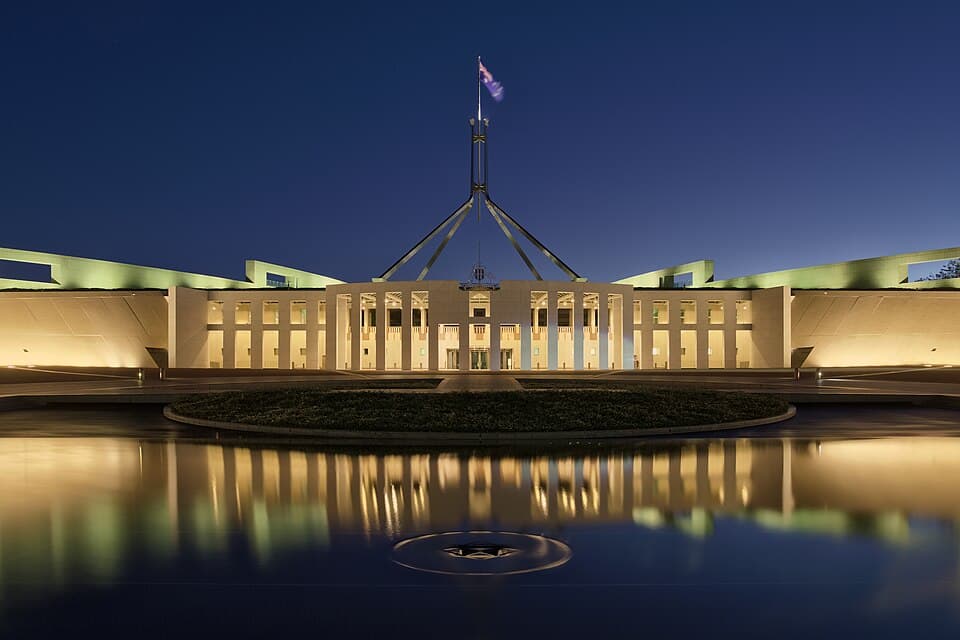
Screen Australia's $50 million recovery fund arrived and the fine print told the real story
The headline was $50 million for production restart; the detail was a temporary insurance guarantee and a pipeline that favours projects already in development.
ODETTE MALOUF14.04.2021
INDUSTRY№ 49
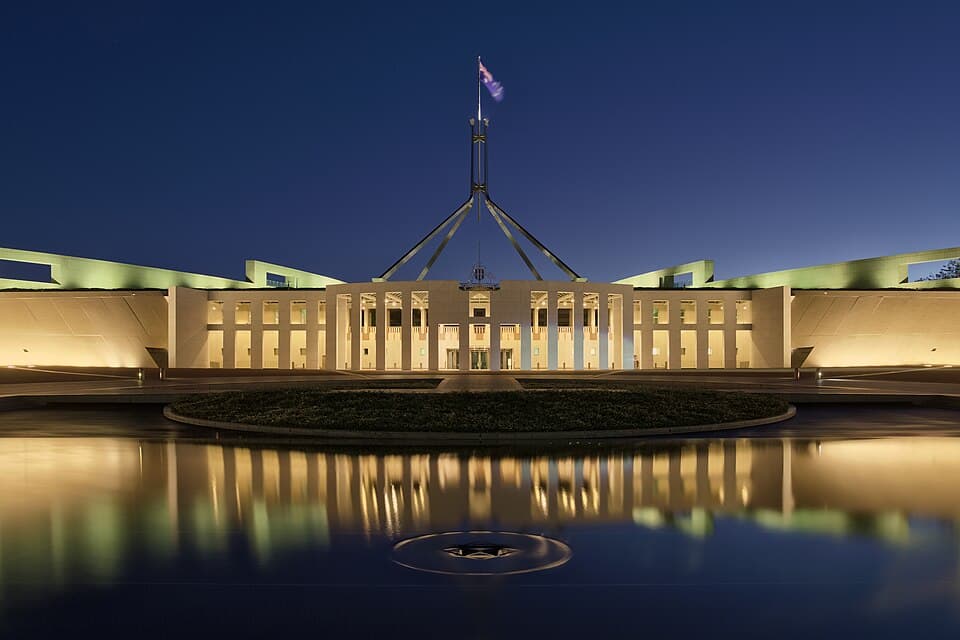
Screen Australia's supplementary COVID fund filled a gap and created a queue
The $20 million top-up kept twelve productions from collapsing and left thirty-eight others waiting for money that was already spent.
ODETTE MALOUF10.03.2021
INDUSTRY№ 50
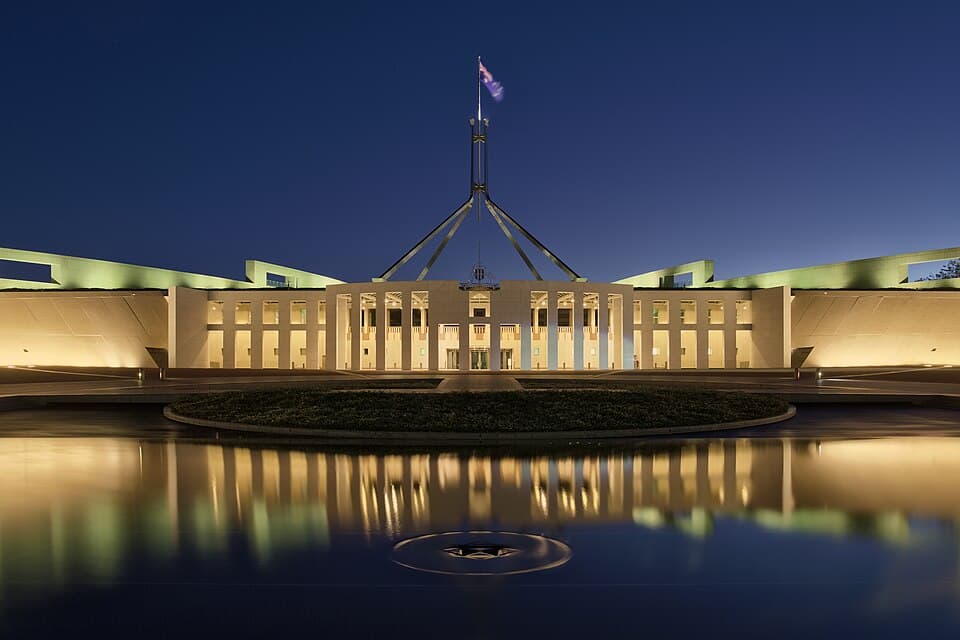
JobKeeper ended and the screen industry is counting who is left
The subsidy ran out in March, and the freelance crew base that built Australian film is thinner than it was twelve months ago.
ODETTE MALOUF18.01.2021
INDUSTRY№ 51
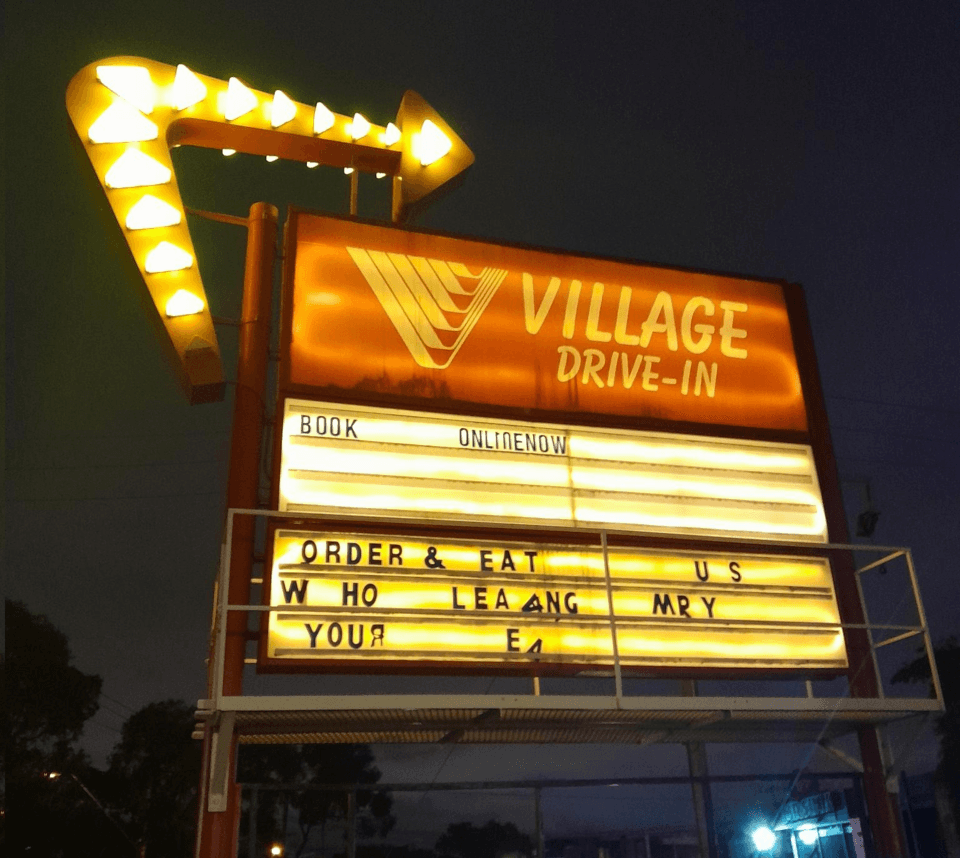
Drive-in cinemas came back during COVID and the nostalgia lasted exactly one summer
The Coburg Drive-In sold out every session in October, and by December the queues were back to normal, which is to say: short.
ODETTE MALOUF22.10.2020
INDUSTRY№ 52
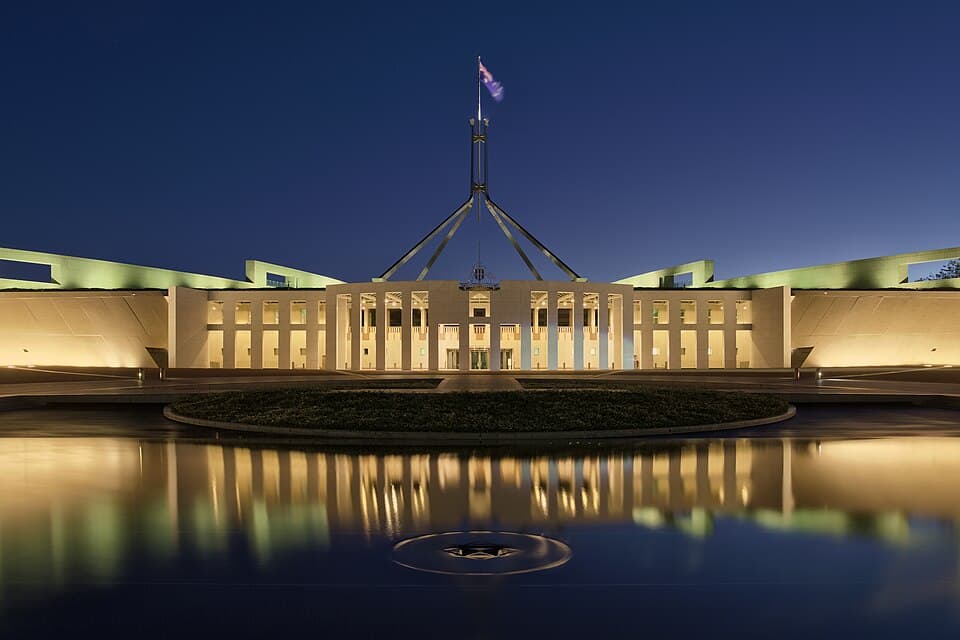
The COVID production insurance gap cost Australian cinema $120 million in paused projects
Insurers excluded COVID from coverage, productions could not restart without it, and the government took four months to fill the gap.
ODETTE MALOUF22.09.2020

INDUSTRY№ 53
COVID Safe protocols cost $800,000 per production and nobody knows who is paying
Productions are restarting under strict health protocols, but the cost of compliance is falling on budgets that were already tight.
ODETTE MALOUF18.08.2020
INDUSTRY№ 54
JobKeeper kept the screen industry alive and nobody wants to talk about what happens next
The subsidy is keeping crews on payroll, but the productions that would employ them are frozen, and the gap between the two is widening.
ODETTE MALOUF22.07.2020

INDUSTRY№ 55
Australian cinema exhibition lost $340 million in the first quarter and the count is not over
Event, Hoyts, and Village lost a combined $340 million in Q1 2020, and the independent cinemas behind them lost something harder to measure.
ODETTE MALOUF26.05.2020

INDUSTRY№ 56
Every cinema in Australia closed in March and the industry counted what was left
On 23 March 2020, every cinema screen in the country went dark, and the production pipeline behind them froze with it.
ODETTE MALOUF26.03.2020

INDUSTRY№ 57
The 2019 Australian box office in five numbers
Australian films took 4.6 per cent of the domestic box office in 2019, and the number tells you less than you think.
ODETTE MALOUF18.02.2020

INDUSTRY№ 58
The Australian screen industry in February 2020 was about to have the best year of its life
The pipeline was full, the crews were booked, the Location Incentive was drawing Hollywood, and nobody knew what March would bring.
ODETTE MALOUF14.02.2020