Screen NSW handed out $18 million and the mid-budget feature got the smallest share
The state fund backed 34 projects in the last cycle, but the distribution reveals a preference for television and international co-productions over standalone features.

Screen NSW’s latest production fund round allocated $18.2 million across 34 projects. The headline figure is healthy. The breakdown is less so.
Television and streaming series received $9.4 million, or 52 per cent of the total. International co-productions and foreign-attracted projects took $4.1 million. Documentary and digital content split $2.3 million between them. Standalone Australian feature films, the category that most people picture when they think about state screen funding, received $2.4 million spread across six projects.
Six features. Average allocation: $400,000 per film. In a state where a day of location shooting in Sydney costs $30,000 before you turn a camera on.
What the fund is designed to do
Screen NSW operates under a mandate that balances cultural outcomes with economic ones. The fund’s published criteria weight three factors roughly equally: creative merit, jobs and expenditure within New South Wales, and commercial viability. In practice, the weighting favours projects that can demonstrate a spending multiplier. A television series that will shoot for eight weeks at Fox Studios generates more in-state expenditure than a feature film that will shoot for four weeks in regional NSW and post in Melbourne.
This is rational from an economic-development perspective. The fund exists partly to keep crews employed and facilities running, and television does that more reliably than features. But the effect on mid-budget Australian filmmaking is cumulative. When state funds tilt toward series and co-productions, the $2 million to $5 million standalone feature loses access to the gap financing that makes it viable. Screen Australia covers a portion. The Producer Offset covers another. The state fund is supposed to cover the rest. When it does not, the film either shrinks to fit a smaller budget, moves production interstate to chase a more generous state fund, or does not get made.
The co-production question
The $4.1 million directed toward co-productions and attracted projects is not unusual for Screen NSW. The agency has historically been aggressive about courting international production, particularly from the UK and Europe, and the Location Incentive has made New South Wales competitive with Queensland and Victoria for service work.
The issue is proportionality. When co-productions take 22 per cent of the production fund and standalone features take 13 per cent, the fund is functioning more as an industry-attraction mechanism than a cultural-development one. Both functions are legitimate. They are not the same function, and presenting them under a single allocation figure obscures the distinction.
What filmmakers are saying
Conversations with three producers who applied to the most recent round (all spoke on background) reveal a consistent frustration. The application process is rigorous and time-consuming. The feedback, when it arrives, is constructive. The amounts on offer for features are too small to close a financing plan.
One producer described the situation directly: “You need $400,000 from the state to make the budget work. They offer you $200,000 and call it supported. You are now $200,000 short with no other state fund to go to, because you are committed to shooting in NSW.”
The alternative is Victoria. Film Victoria’s production investment program has historically allocated a larger share of its fund to features, and its per-project averages for mid-budget films are higher than Screen NSW’s. The result is a quiet migration of NSW-based productions to Melbourne, which is precisely the outcome a state screen fund is supposed to prevent.
The mid-budget gap is structural
This is not a problem unique to Screen NSW. It is a structural feature of Australian screen funding at every level. The mid-budget feature, too expensive to self-finance, too small to attract a presale from a major distributor, too Australian in subject matter to qualify as a co-production, sits in a bracket that no single funding body is designed to fully service.
Screen Australia provides the largest single investment but caps its contribution. The state funds provide supplementary finance but prioritise economic return. Private equity is scarce. Pre-sales from local distributors have declined as theatrical windows have compressed. The result is that the $2 million to $5 million Australian feature now requires six or seven sources of finance to reach a green light, and each source has its own timeline, criteria, and reporting requirements.
The $18.2 million that Screen NSW distributed in this cycle is real money attached to real projects that will employ real crews. That is worth noting. It is also worth noting that the fund’s architecture, rationally and perhaps inevitably, directs the bulk of that money toward the formats and structures least likely to produce the kind of mid-budget Australian feature that the system was originally built to support.
Odette covers the business of Australian screen. Previously a financial journalist. Reads every Screen Australia annual report the week it drops. Short paragraphs, long memory, never misses a figure.
MORE BY ODETTE MALOUF →
Victoria, NSW, and Queensland all fund film differently and the results prove it
Three states, three models, three different answers to the same question: what is screen funding for?
Screen Australia's $212 million year and the question nobody asked
The number is the largest on record, but the distribution tells a different story.
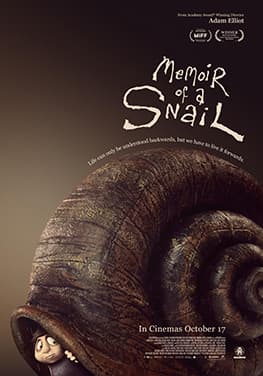
Australian cinema's 2024 awards season by the numbers
Three Australian features made the international circuit in 2024, and the funding trail behind each tells a different story.