LOADING…
SECTION / 63 PIECES
TV.
Australian television, streaming drama, limited series. Reality TV only when it deserves a skewer.
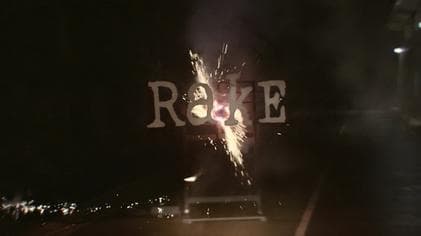
TV№ 01
Rake was never about the cases
Eight years and five seasons of Cleaver Greene taught Australian television that you can keep a man unredeemed, and that audiences will follow him anyway.
RHYS TAVITA18.10.2026
TV№ 02
Kath & Kim mocked the suburbs, then sat down in the back yard
The ABC's great suburban satire has a tell. Almost every episode ends with its two leads sitting in a back yard, and that is where the show admits it likes them.
RHYS TAVITA09.10.2026
TV№ 03
Return to Paradise imports the cosy-crime formula and survives the flight
The ABC took Britain's most reliable comfort-crime export, moved it to a NSW beach town, and somehow the formula arrived intact.
RHYS TAVITA27.09.2026
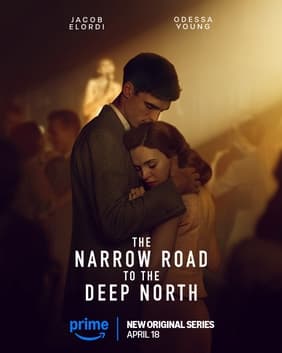
TV№ 04
The Narrow Road to the Deep North won every department but the show
Justin Kurzel's Burma Railway miniseries won nine AACTAs and led the Logies on nominations, then lost best miniseries at both, and the juries were right both times.
RHYS TAVITA20.09.2026
TV№ 05
High Country trusts the mountains more than the mystery
Eight episodes, five missing persons, and a Victorian Alps landscape doing about sixty per cent of the dramatic work. Season two arrives on 14 September with almost nobody from season one.
RHYS TAVITA04.09.2026
TV№ 06
Stan made a great Australian road comedy and told nobody
Dylan River directed all eight episodes of a stolen-taxi comedy set in the 1980s outback, and it went out on Stan with roughly the fanfare of a software update.
RHYS TAVITA13.08.2026
TV№ 07
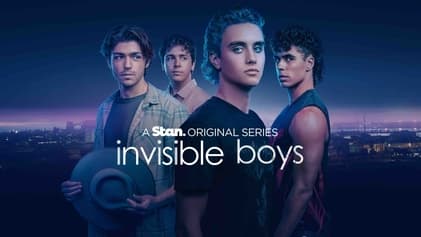
Invisible Boys never puts anyone on the bus to Perth
Nicholas Verso's ten-part Stan drama refuses the one ending Australian queer coming-of-age stories always reach for, and is far better for the refusal.
RHYS TAVITA22.07.2026
TV№ 08
Plum and the game that breaks the men who love it
Brendan Cowell's ABC drama is about a retired league hard-man whose head is full of poems and quietly bleeding, and it argues those are the same thing.
RHYS TAVITA27.06.2026
TV№ 09
Bay of Fires and the town full of people you should not trust
An ABC dark comedy about a woman hidden in a Tasmanian town where everyone is a criminal, which is either a thriller premise or a documentary about regional Australia, depending on your mood.
RHYS TAVITA12.06.2026
TV№ 10
Apple Cider Vinegar knows exactly what it is
Netflix turned Australia's most notorious wellness fraud into a glossy limited series, and the smartest thing it does is admit it is part of the racket too.
RHYS TAVITA29.05.2026
TV№ 11
Boy Swallows Universe and what Netflix actually paid for
Twenty months after Netflix dropped the Trent Dalton adaptation in January 2024, the show has aged into one of the few streamer-funded Australian dramas that didn't get cancelled out of spite.
RHYS TAVITA07.05.2026
TV№ 12
Australian television in 2026 has more shows and fewer places to put them
The shows are good, the platforms are crowded, and the audience is splitting into fragments too small for any one show to own.
RHYS TAVITA16.04.2026
TV№ 13
The best Australian TV of 2025 was scattered across too many platforms to find
The year's best shows were on six different platforms, and nobody watches all six, which means every show was somebody's blind spot.
RHYS TAVITA26.11.2025
TV№ 14
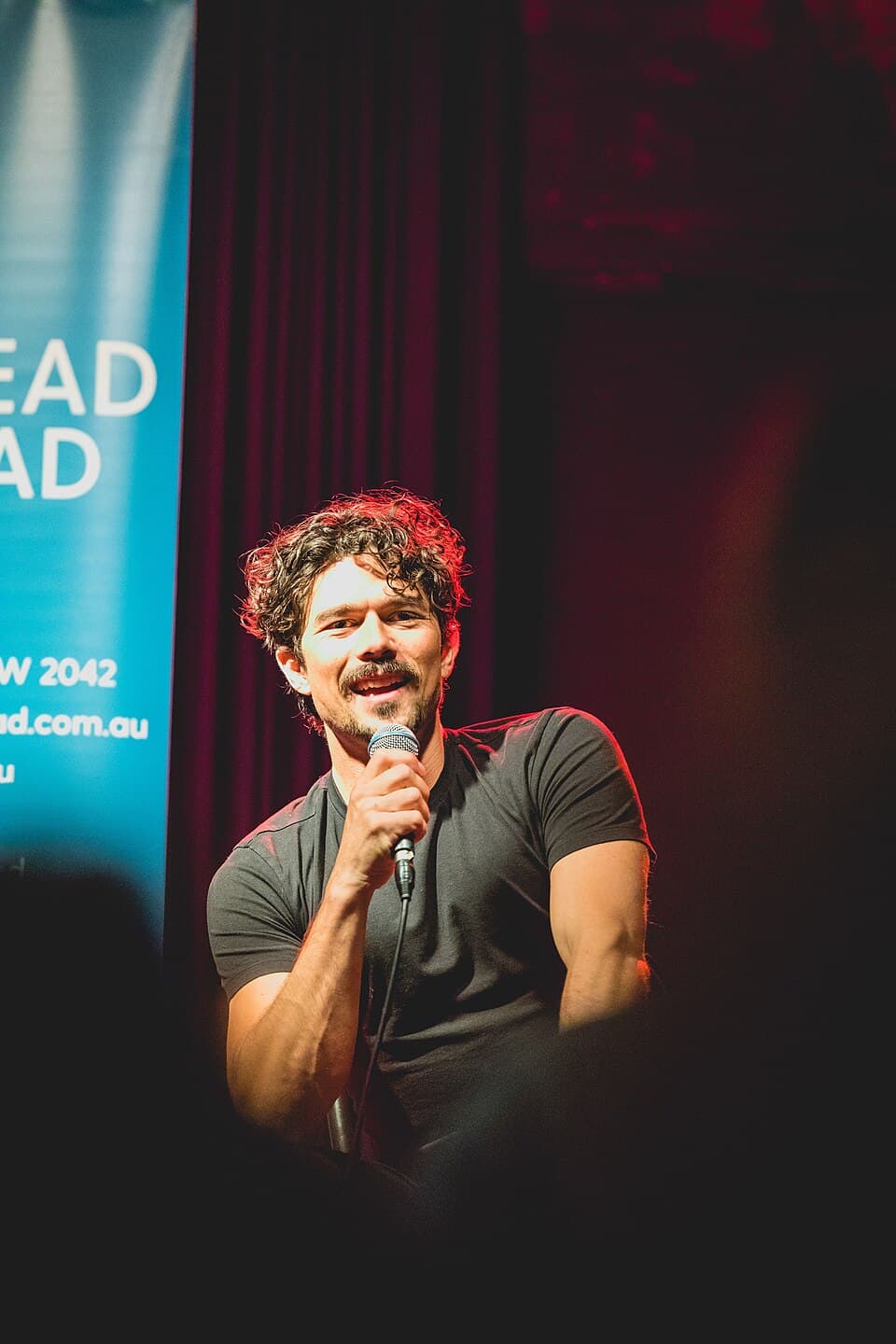
Scrublands sends a journalist to a country town and trusts the silence to do the rest
Luke Arnold drives into a drought-stricken town where a priest shot five men, and the show's best quality is that nobody wants to explain why.
RHYS TAVITA22.10.2025
TV№ 15
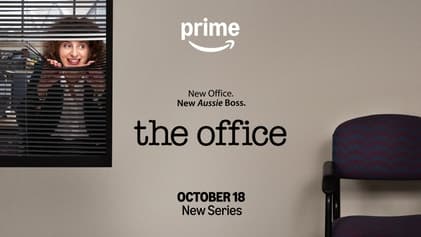
The Office Australia works because Felicity Ward is not playing a version of anybody else
Ward's Hannah Howard is not David Brent, not Michael Scott, and not a blend of both; she is a new species of terrible boss, and the show is better for the invention.
RHYS TAVITA22.08.2025

TV№ 16
Australian true-crime TV has run out of ways to say 'based on a true story'
Every Australian streamer has a true-crime limited series in development, and the genre is starting to eat itself.
RHYS TAVITA08.07.2025
TV№ 17
Australian reality TV is screen culture whether the industry likes it or not
Fifteen million Australians watch MAFS, three hundred thousand watch the AACTA-winning drama, and the industry pretends this is not a problem.
RHYS TAVITA10.06.2025
TV№ 18
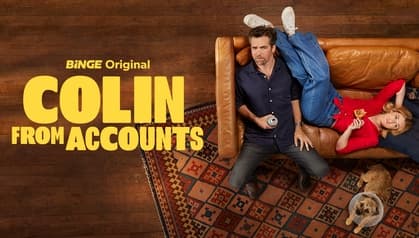
Colin from Accounts has the courage to let its characters grow up and it is not sure that was a good idea
The third season of Australia's best romantic comedy discovers that its leads are no longer charming disasters, and the show does not know what to do with functional adults.
RHYS TAVITA25.03.2025

TV№ 19
Territory wants to be Australia's Yellowstone and it gets close enough to matter
Netflix built a cattle-station dynasty drama in the Northern Territory and staffed it with enough Australian actors to fill a muster, and the result is louder and messier than anything the ABC would commission.
RHYS TAVITA22.01.2025
TV№ 20
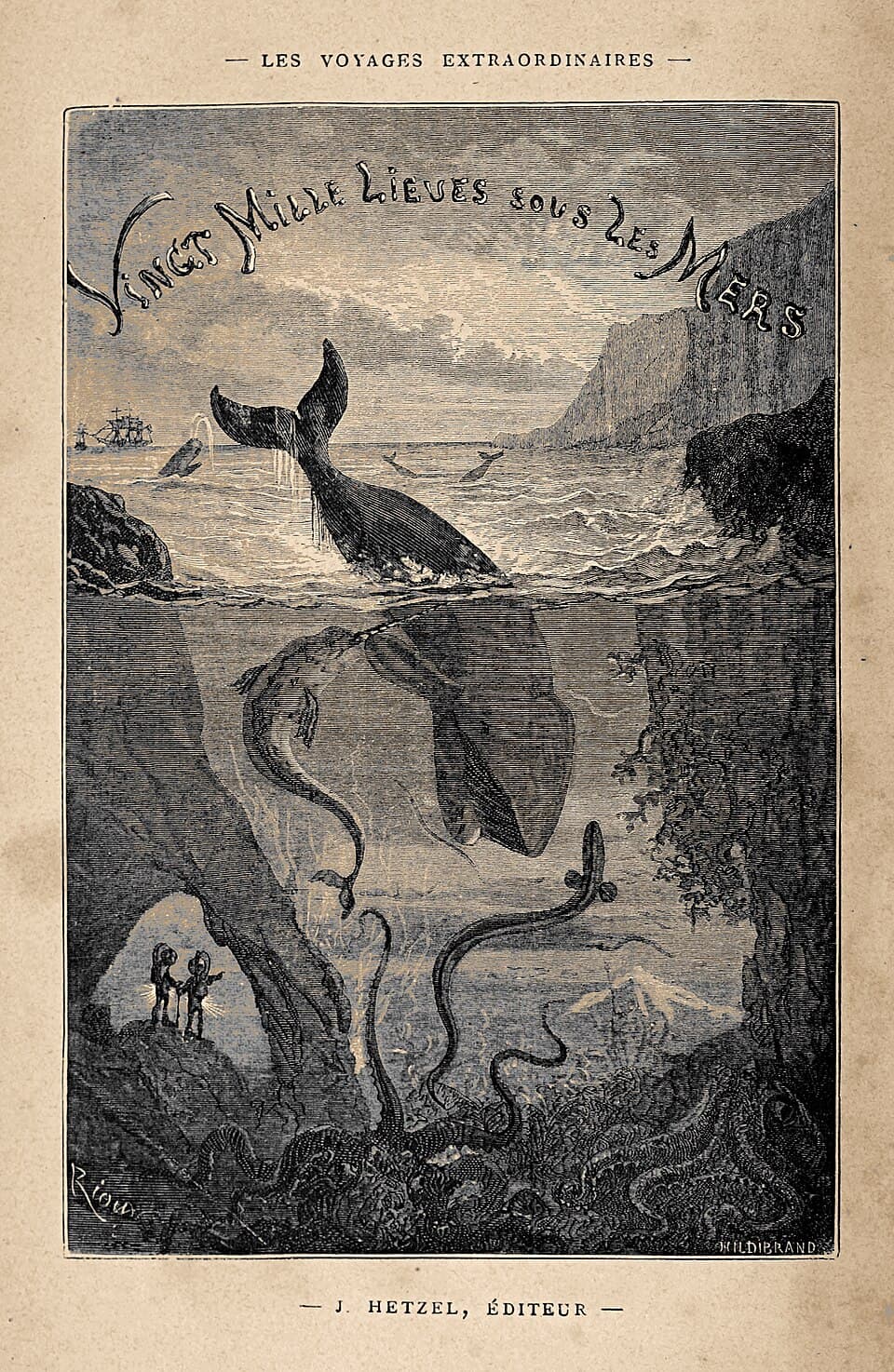
Nautilus built Captain Nemo in Queensland and sent him to sea without enough story
The production is gorgeous, the submarine is a set worth living in, and the scripts needed three more drafts.
RHYS TAVITA22.10.2024
TV№ 21
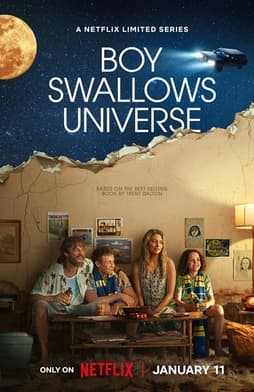
Boy Swallows Universe turned a Brisbane memoir into Netflix content and it mostly survived
The adaptation of Trent Dalton's novel is charming, violent, and uncertain about its own tone in exactly the same proportions as its source material.
RHYS TAVITA10.09.2024

TV№ 22
Heartbreak High season two has the confidence to let its characters be wrong
The second season drops the reboot anxiety and lets Hartley High be a school where nobody learns the right lesson at the right time.
RHYS TAVITA20.08.2024
TV№ 23
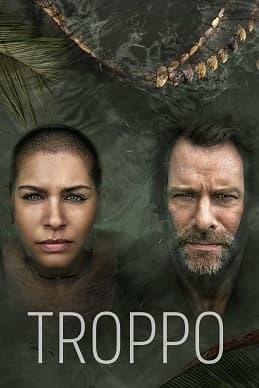
Troppo takes the crime novel to Far North Queensland and lets the humidity do the interrogation
Thomas Jane plays an American ex-con hiding in the tropics, and the show's best trick is treating Cairns like it is as foreign as he finds it.
RHYS TAVITA18.07.2024
TV№ 24
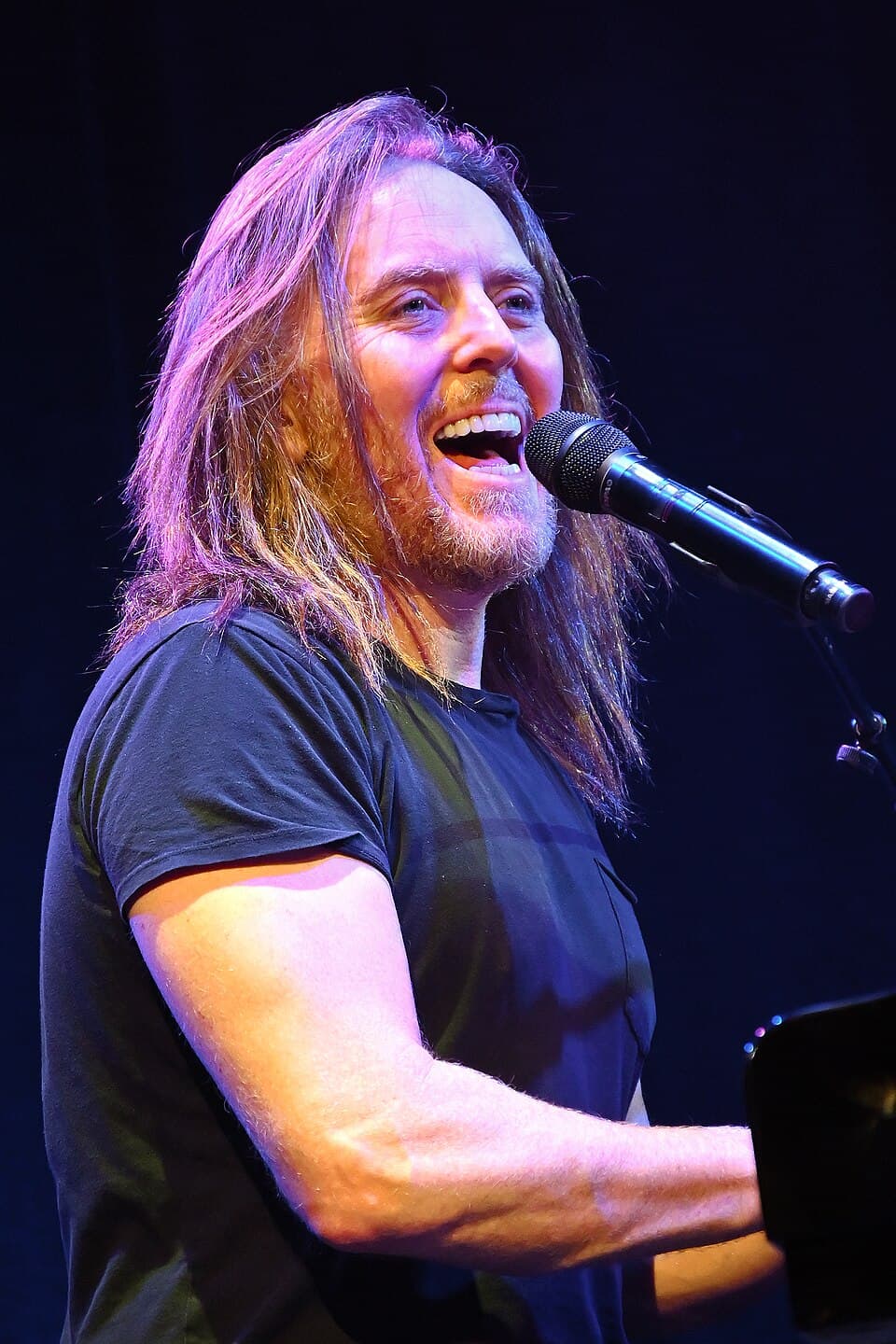
Last King of the Cross gives Tim Minchin a mullet and a moral code and both suit him
Minchin plays a Kings Cross nightclub owner in the 1980s, and the show has the good sense to let him be charming before it lets him be dangerous.
RHYS TAVITA12.06.2024
TV№ 25
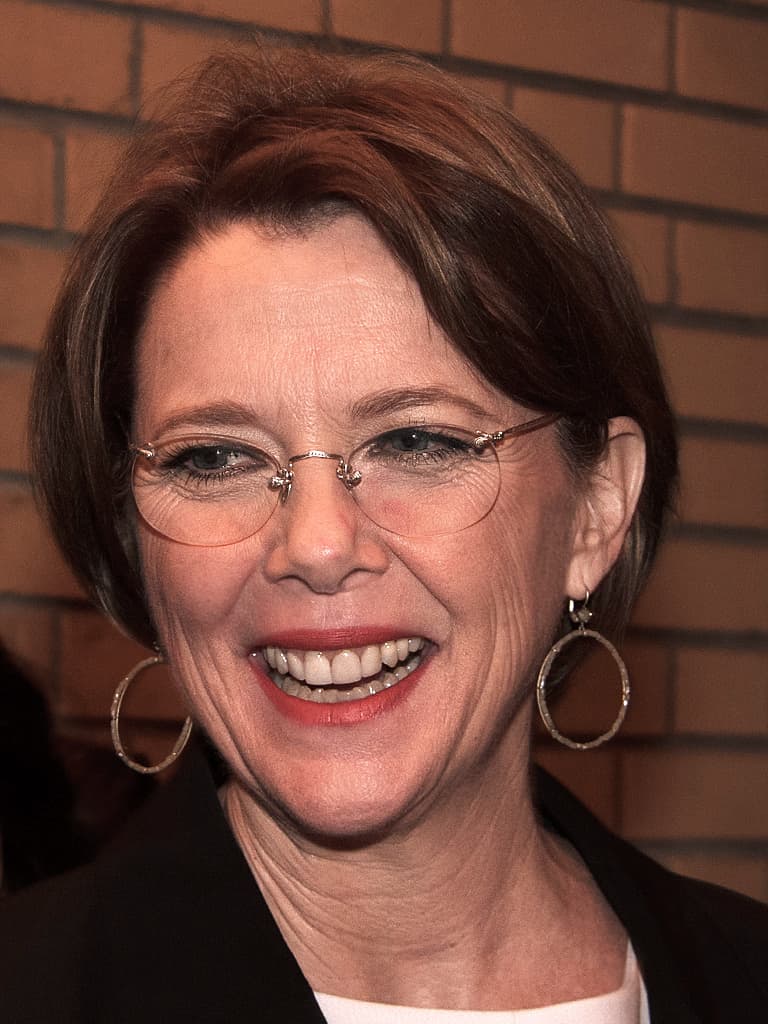
Apples Never Fall proves that Liane Moriarty adaptations work until the last episode
Annette Bening disappears in suburban Australia, the family fractures on cue, and the final episode does what every Moriarty adaptation does: it explains too much.
RHYS TAVITA14.05.2024
TV№ 26
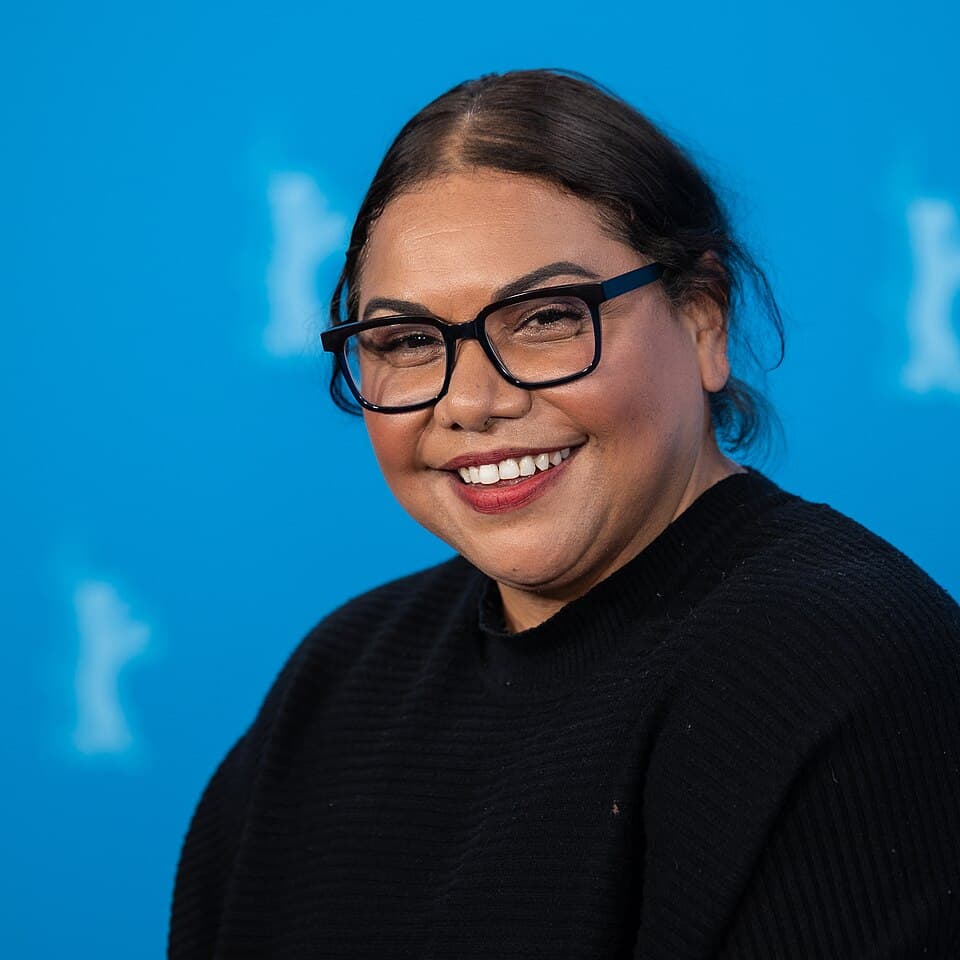
Total Control season two raises the stakes and Deborah Mailman raises them higher
Mailman's Alex Irving has the numbers, the enemies, and the prime ministership within reach, and the show is ruthless about what each one costs.
RHYS TAVITA12.03.2024
TV№ 27
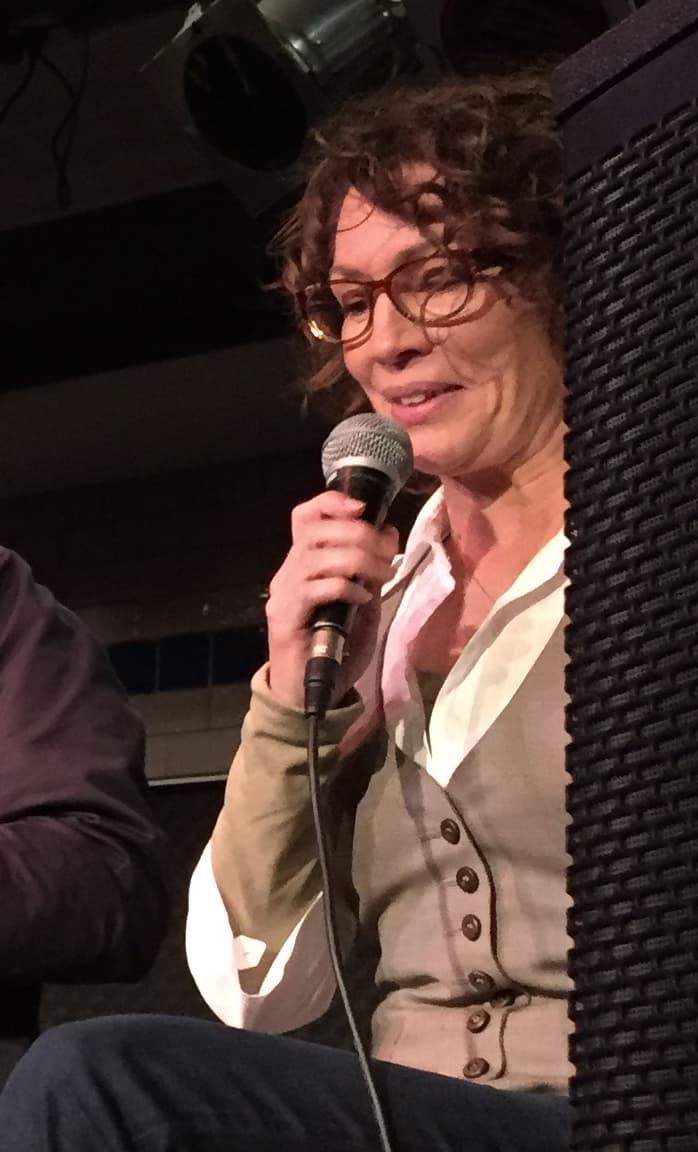
Fisk season three still works because Kitty Flanagan refuses to let Helen be likeable
Helen Fisk remains the worst person in every room she enters, and the show remains the funniest thing on ABC because of it.
RHYS TAVITA30.01.2024
TV№ 28
Deadloch proves that Tasmania can do noir if you let comedians write it
Two Kates built a murder mystery in a freezing Tasmanian town and staffed it entirely with people you would cross the street to avoid.
RHYS TAVITA04.12.2023
TV№ 29
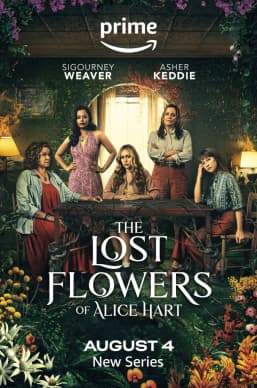
The Lost Flowers of Alice Hart cannot decide if it trusts its audience
Sigourney Weaver commits fully to the Australian accent and the Australian landscape; the scripts commit to neither.
RHYS TAVITA14.11.2023
TV№ 30
Safe Home puts a refugee family in suburban Tasmania and watches the neighbours react
SBS built a drama about a Kurdish family in Launceston and gave every character enough rope to be both kind and complicit.
RHYS TAVITA24.10.2023
TV№ 31
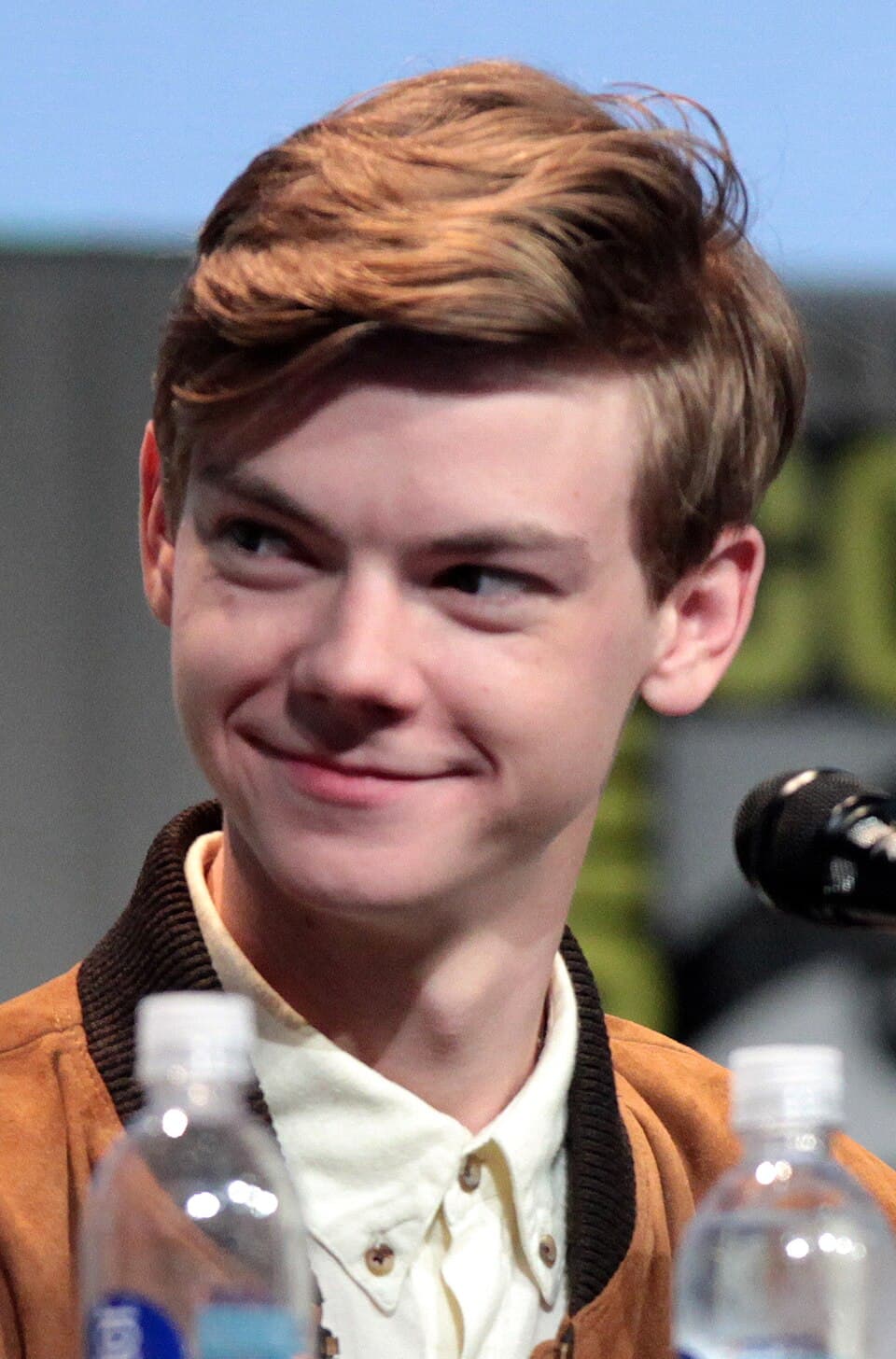
The Artful Dodger puts a surgeon's scalpel in a pickpocket's hand and hopes you will not notice
Stan's Dickens sequel is set in colonial Australia, stars Thomas Brodie-Sangster as a surgeon, and is exactly as unhinged as that pitch meeting must have been.
RHYS TAVITA28.09.2023
TV№ 32
The Newsreader keeps getting the small things wrong on purpose
Season two proves that the best Australian drama on television is the one most willing to look silly in a period wig.
RHYS TAVITA20.08.2023
TV№ 33
Neighbours came back from the dead and brought its cul-de-sac with it
The most-exported Australian show in history died on Channel 5, resurrected on Amazon, and the question is whether the street still has stories to tell.
RHYS TAVITA20.06.2023

TV№ 34
Class of '07 locks its reunion in an apocalypse and finds the comedy in the flood
Amazon's Australian comedy traps a school reunion on a hilltop during a flood and lets the class dynamics do more damage than the water.
RHYS TAVITA22.05.2023

TV№ 35
Wellmania lets Celeste Barber be terrible and that is its best decision
Celeste Barber's Netflix comedy is loud, messy, and allergic to likability, and the show is better for not trying to fix her.
RHYS TAVITA28.03.2023
TV№ 36
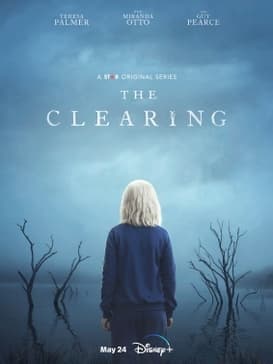
The Clearing gives Guy Pearce a cult and Teresa Palmer a conscience and watches what happens
Guy Pearce plays a cult leader in rural Victoria, and the show is smart enough to let him be charming rather than monstrous, which is worse.
RHYS TAVITA14.02.2023
TV№ 37
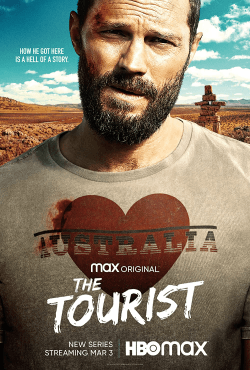
The Tourist treats the outback like a character who does not speak
Jamie Dornan wakes up in a hospital in the middle of South Australia with no memory, and the show is smart enough to let that confusion do most of the heavy lifting.
RHYS TAVITA19.01.2023
TV№ 38
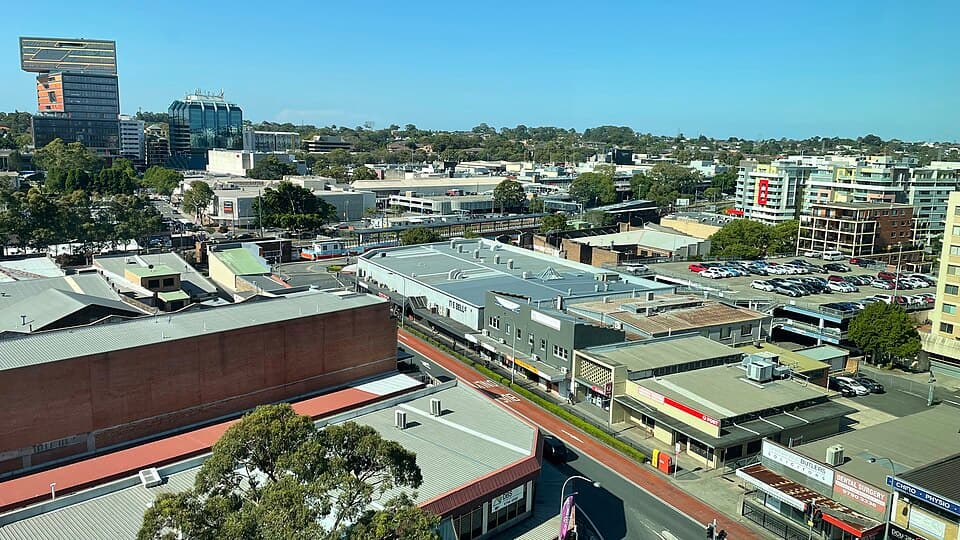
Bump is the most honest show about Western Sydney and nobody outside Bankstown knows it exists
A show about a teenage pregnancy in Bankstown should not be this funny, this specific, or this invisible to the broader Australian audience.
RHYS TAVITA08.08.2022
TV№ 39
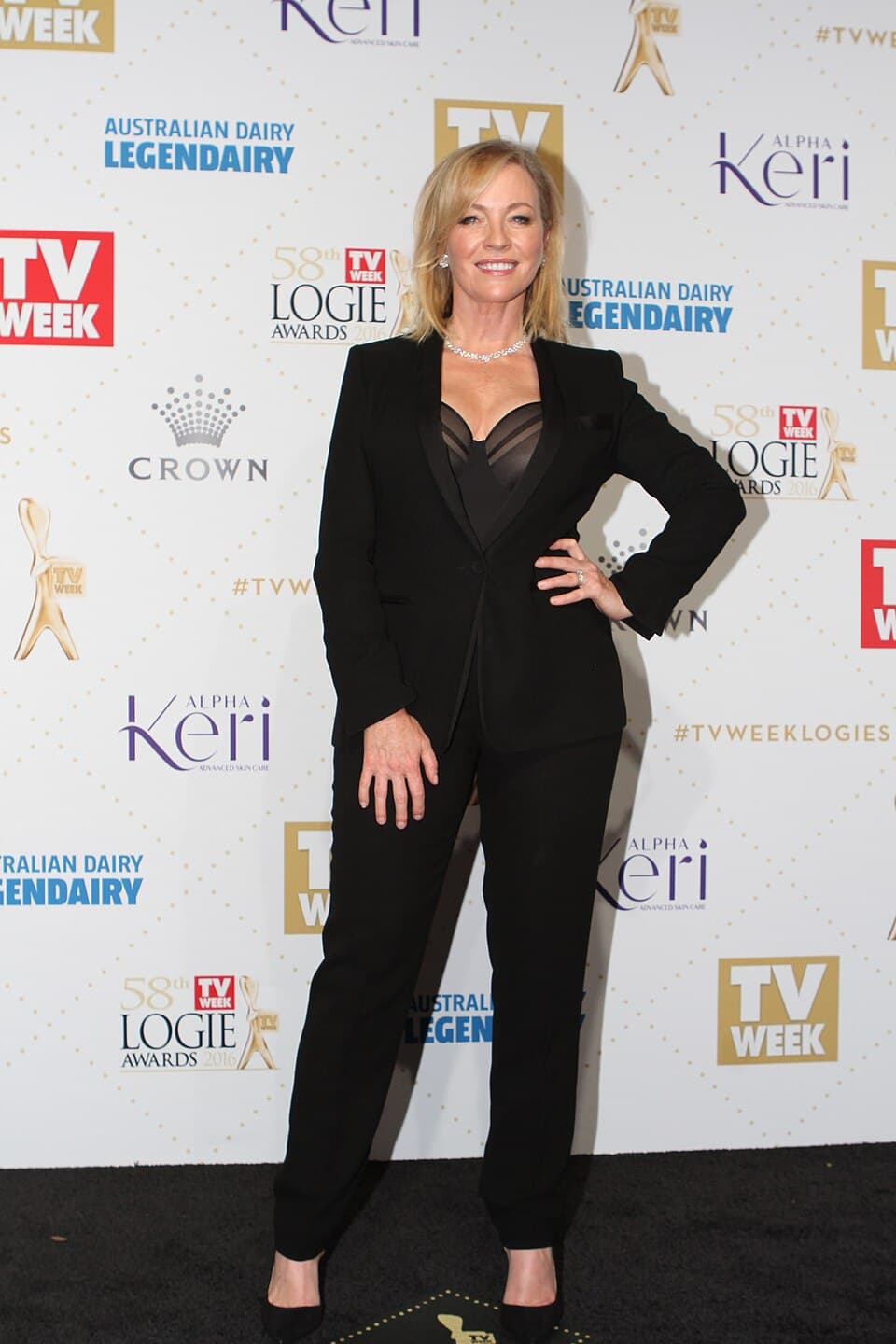
Under the Vines is a postcard from New Zealand that Australia co-signed
Rebecca Gibney and Charles Edwards inherit a vineyard in Central Otago, and the show knows that the landscape is doing most of the acting.
RHYS TAVITA26.07.2022
TV№ 40
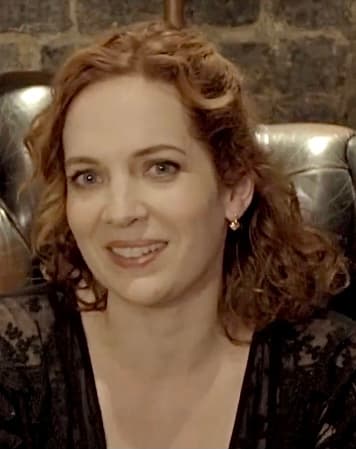
Spreadsheet keeps a sex spreadsheet and the joke is that the data never lies
Katherine Parkinson plays a divorced lawyer who tracks her sexual encounters on a spreadsheet, and the show is funnier than the premise has any right to be.
RHYS TAVITA16.06.2022
TV№ 41
Irreverent puts a Chicago criminal in a Queensland church and lets the accent do the rest
Netflix's fish-out-of-water comedy drops an American mobster in a tiny Queensland town, and the town is funnier than the mobster.
RHYS TAVITA24.05.2022
TV№ 42
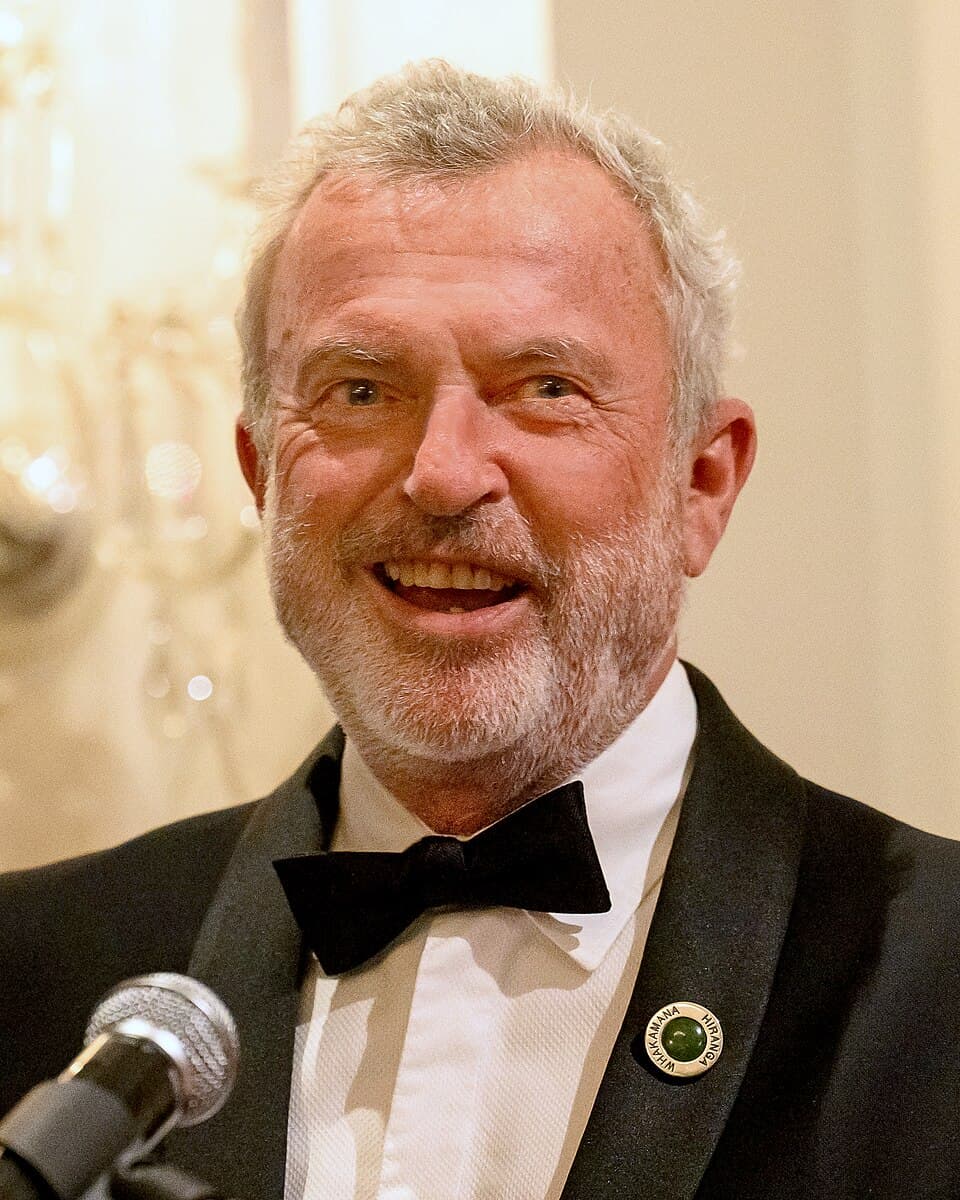
The Twelve asks twelve Australians to agree and then watches them fail
The jury room is the one place on Australian television where people are forced to listen to each other, and the show is smart enough to make that unbearable.
RHYS TAVITA12.04.2022
TV№ 43
Fires dramatised the 2019 bushfires before the country had finished processing them
The ABC made a miniseries about the Black Summer fires less than two years after the smoke cleared, and the question is not whether it was too soon but whether it was enough.
RHYS TAVITA22.02.2022
TV№ 44
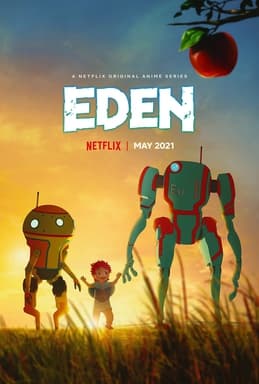
Eden drops a backpacker thriller in Byron Bay and lets the paradise rot from the inside
Stan's backpacker thriller uses Byron Bay the way horror films use fog: it looks beautiful and you cannot see what is coming.
RHYS TAVITA24.01.2022
TV№ 45
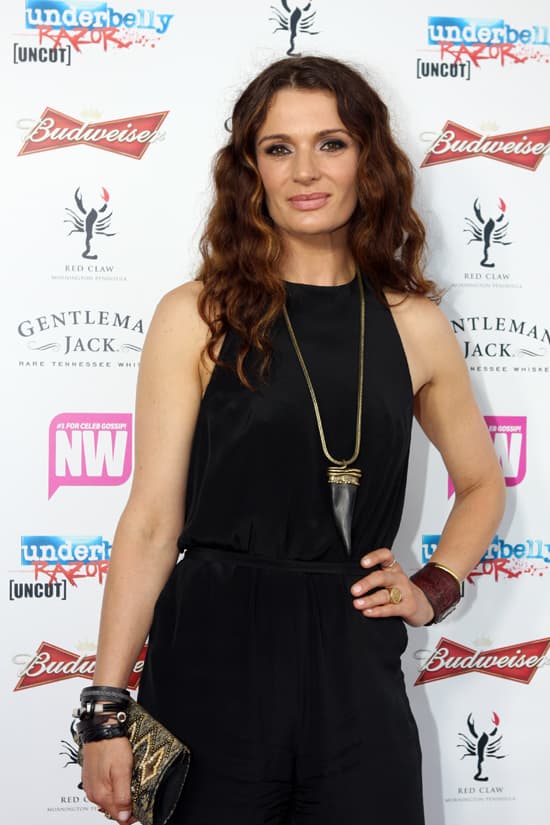
Wentworth ran for nine seasons and never once apologised for being a prison show
The longest-running Australian drama of the streaming era is a women's prison show that outlasted every prestige competitor by refusing to be anything else.
RHYS TAVITA24.11.2021
TV№ 46
Bump dropped a baby into Bankstown and did not explain itself
Stan's teen pregnancy comedy set in Western Sydney treats its multicultural cast as furniture rather than subject matter, and that is the most radical thing about it.
RHYS TAVITA12.10.2021
TV№ 47
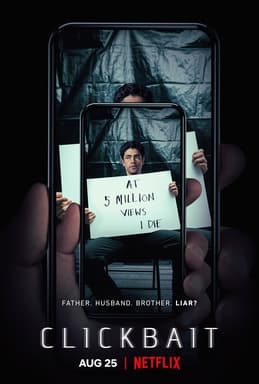
Clickbait was made in Melbourne for a global audience and it shows
Netflix set a thriller in Oakland, filmed it in Melbourne, cast Adrian Grenier, and hoped nobody would notice the gum trees.
RHYS TAVITA14.09.2021

TV№ 48
Nine Perfect Strangers and the wellness retreat that eats itself
Nicole Kidman plays a wellness guru who microdoses her guests, and somehow that is not the strangest choice the show makes.
RHYS TAVITA26.08.2021
TV№ 49
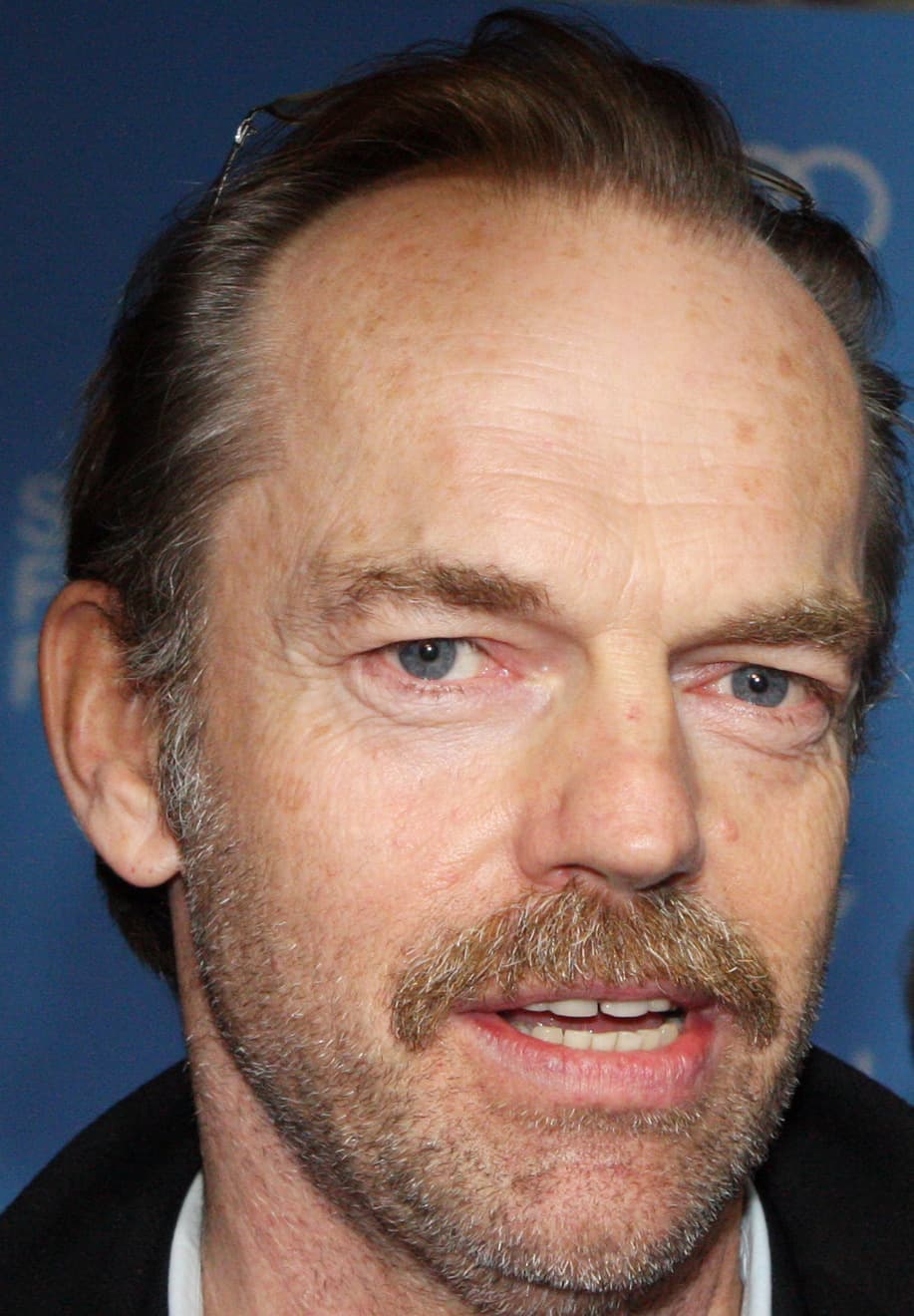
Love Me gives Hugo Weaving a dating app and watches him try to be human
Weaving plays a widower on a dating app, and the show's best trick is treating online romance with the same gravity it gives grief.
RHYS TAVITA28.07.2021
TV№ 50
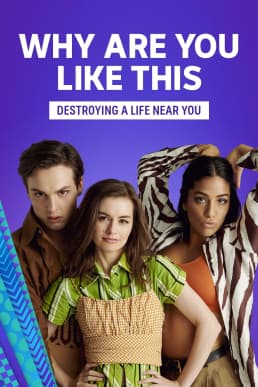
Why Are You Like This is the angriest comedy on ABC and it knows exactly who it is yelling at
The show is loud, furious, and performatively woke in the way that only a genuinely smart comedy can sustain without collapsing.
RHYS TAVITA18.05.2021
TV№ 51
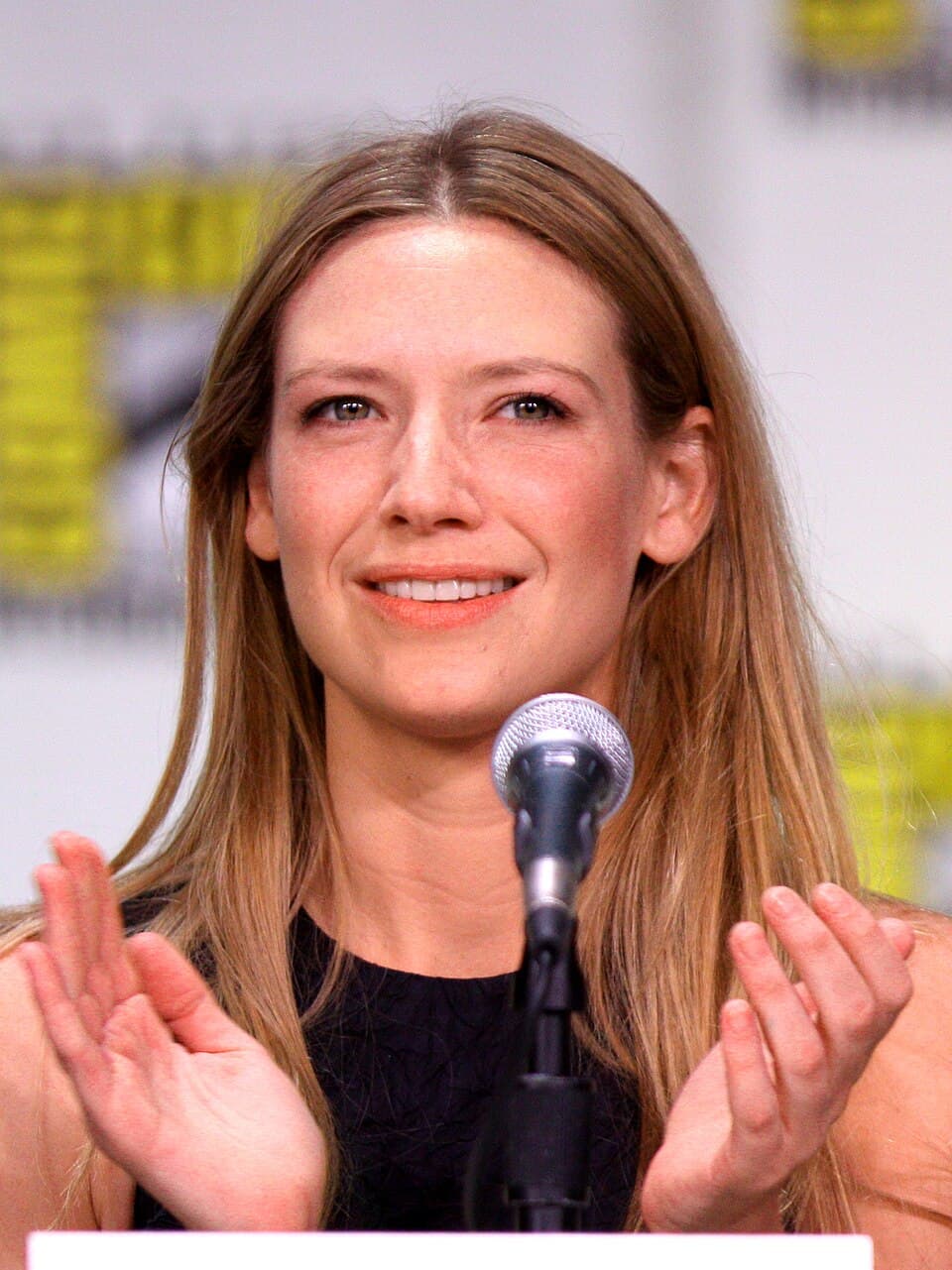
Frayed season two brings Sarah Kendall back to Newcastle and the cringe back to ABC
Kendall plays a woman who faked her life in London and came home to Newcastle, and the show's best trick is that Newcastle does not care.
RHYS TAVITA22.03.2021
TV№ 52
Harrow keeps solving murders in Brisbane and Brisbane keeps looking good doing it
The ABC's forensic pathologist procedural is not trying to be prestige television, and its refusal to apologise for being a well-made genre show is its best quality.
RHYS TAVITA24.02.2021
TV№ 53
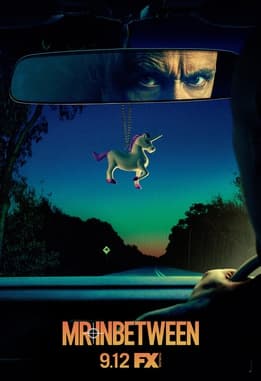
Mr Inbetween ended the way its hitman would have wanted: quietly and without apology
Scott Ryan's hitman sitcom finished its third season without a redemption arc, a moral reckoning, or a single scene where Ray explained himself, and it was perfect.
RHYS TAVITA26.01.2021
TV№ 54
The best Australian TV of 2020 was made for people who could not leave the house
The year's best shows were about confinement, isolation, and people stuck in places they could not leave, which felt about right.
RHYS TAVITA18.12.2020
TV№ 55
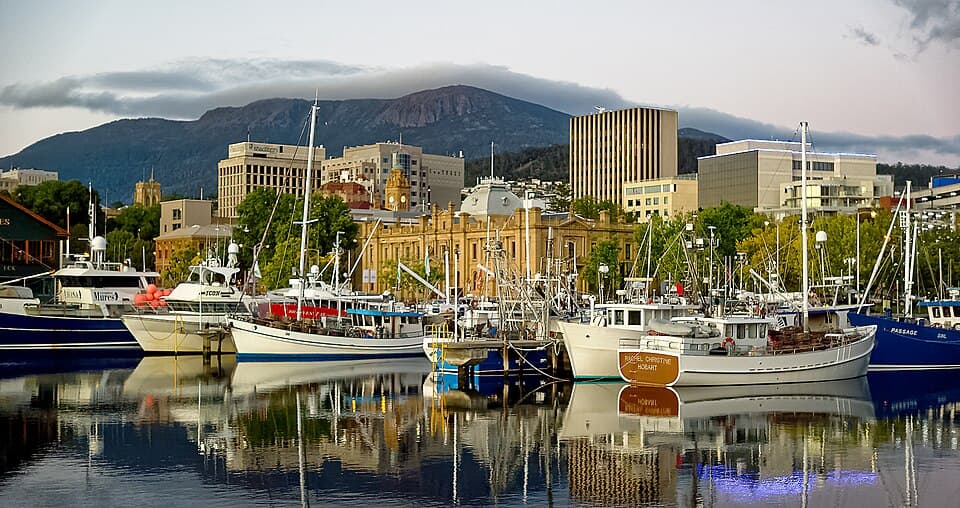
The Gloaming set a murder mystery in Hobart and let the cold do the work
Stan's Tasmanian noir is slow, cold, and occasionally baffling, and the best scenes are the ones where Emma Booth just stands in the weather.
RHYS TAVITA18.11.2020
TV№ 56
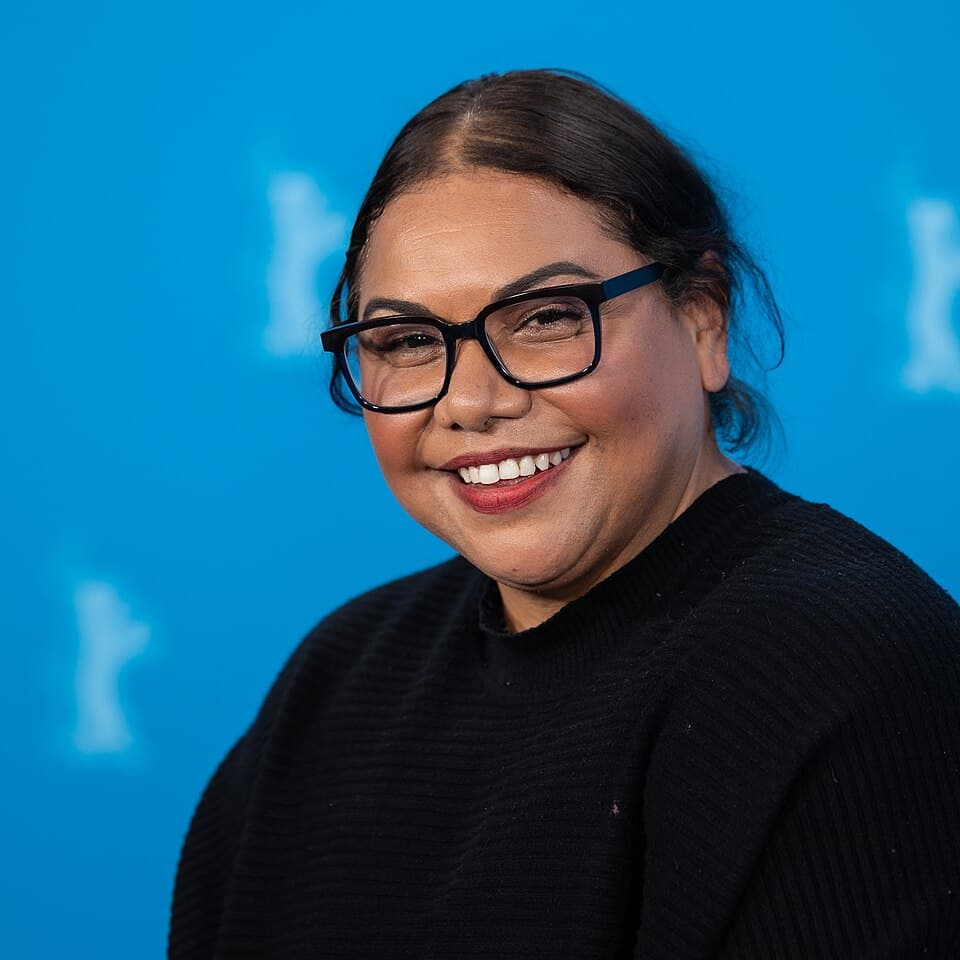
Total Control gives Deborah Mailman the prime ministership and then makes her fight for every room
Mailman plays an Indigenous senator thrown into federal politics, and the show is smart enough to make the Canberra corridors feel as dangerous as any outback.
RHYS TAVITA14.10.2020
TV№ 57
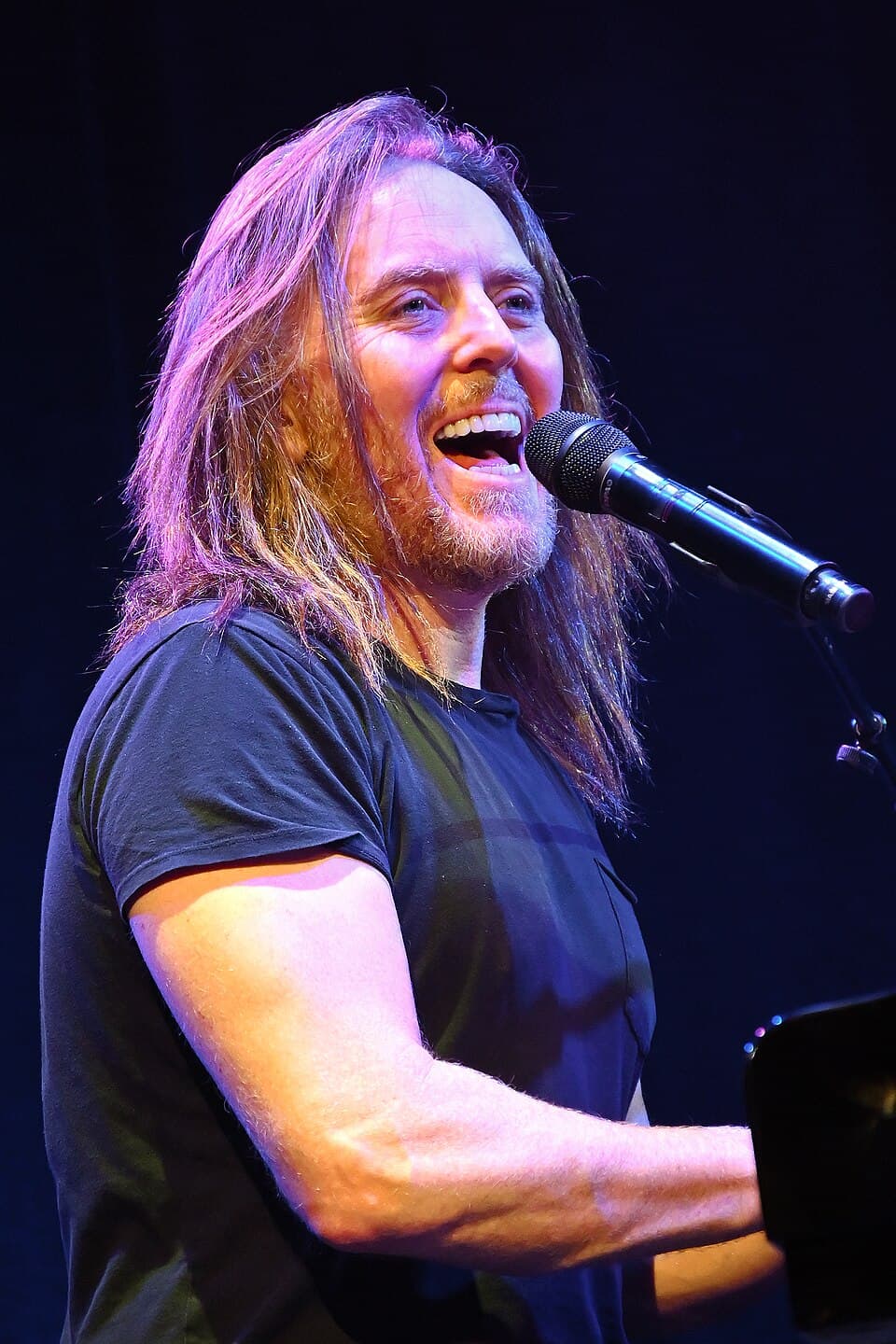
Upright is the best Australian road show nobody outside this country has seen
Tim Minchin drives a piano across Australia and somehow makes you cry about it, which is not what you expect from a man best known for musical comedy.
RHYS TAVITA08.09.2020
TV№ 58
Stateless crossed the Pacific via Netflix and the conversation changed
The ABC made a show about immigration detention; Netflix put it in front of sixty million subscribers; and suddenly Australian policy was international content.
RHYS TAVITA28.07.2020
TV№ 59
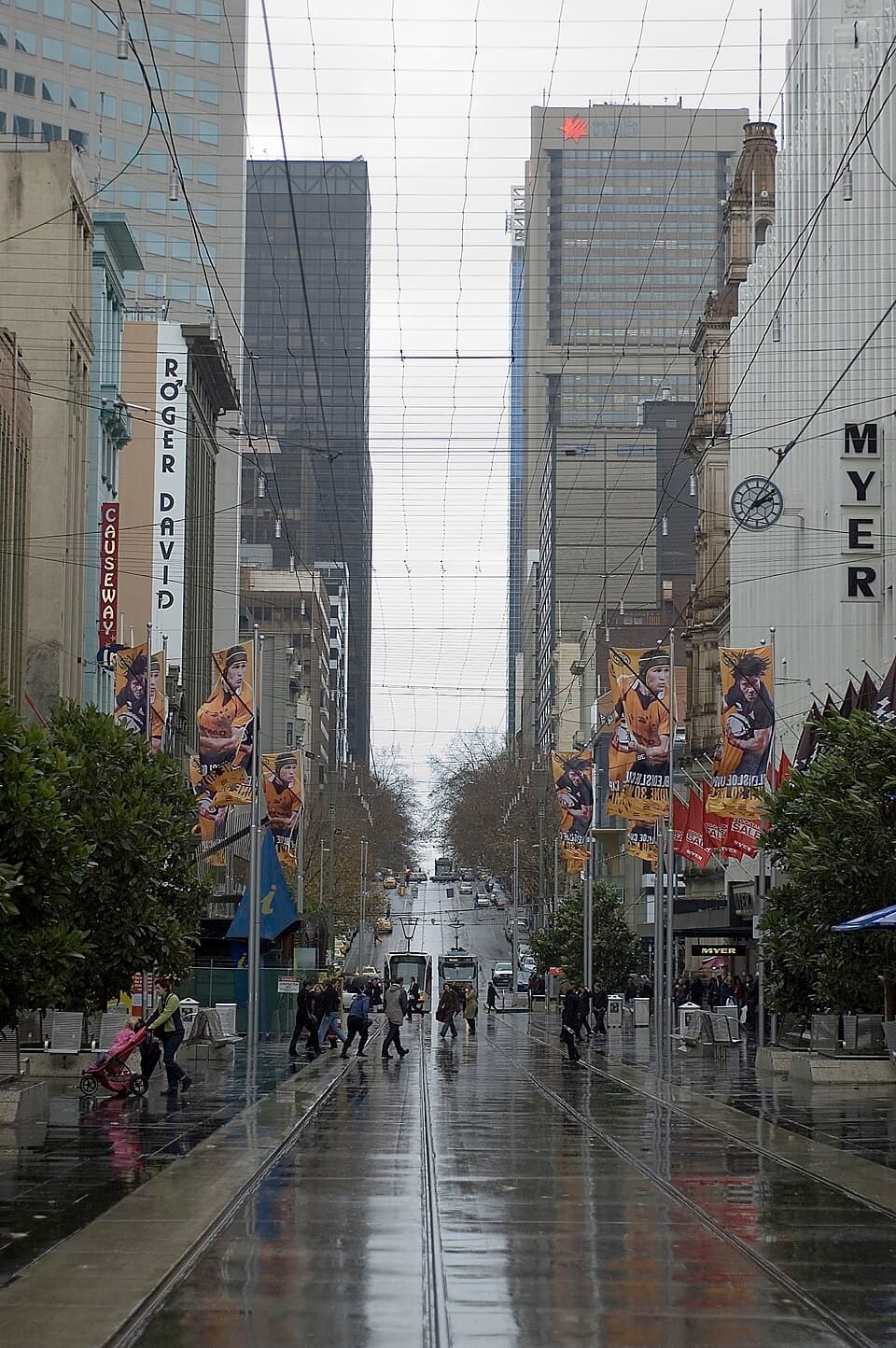
What we watched when everything stopped
Three months into lockdown, the streaming queue has replaced the cinema queue, and the couch has replaced everything else.
RHYS TAVITA14.06.2020
TV№ 60
Stateless arrived at exactly the wrong time and that made it necessary
A show about immigration detention centres premiered during a pandemic lockdown, and somehow the timing made it more urgent rather than less.
RHYS TAVITA18.05.2020
TV№ 61
Six Australian shows worth finding while the cinemas are closed
The cinemas shut, the couch stayed, and the back catalogues on iview and Stan are deeper than you think.
RHYS TAVITA16.04.2020
TV№ 62
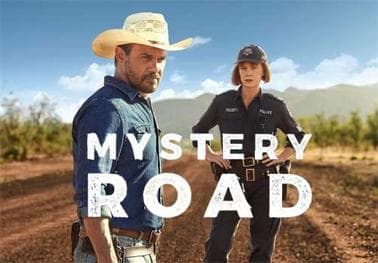
Mystery Road and the quiet business of not explaining
Aaron Pedersen's detective does not monologue, does not explain, and does not care whether you are keeping up.
RHYS TAVITA04.02.2020
TV№ 63
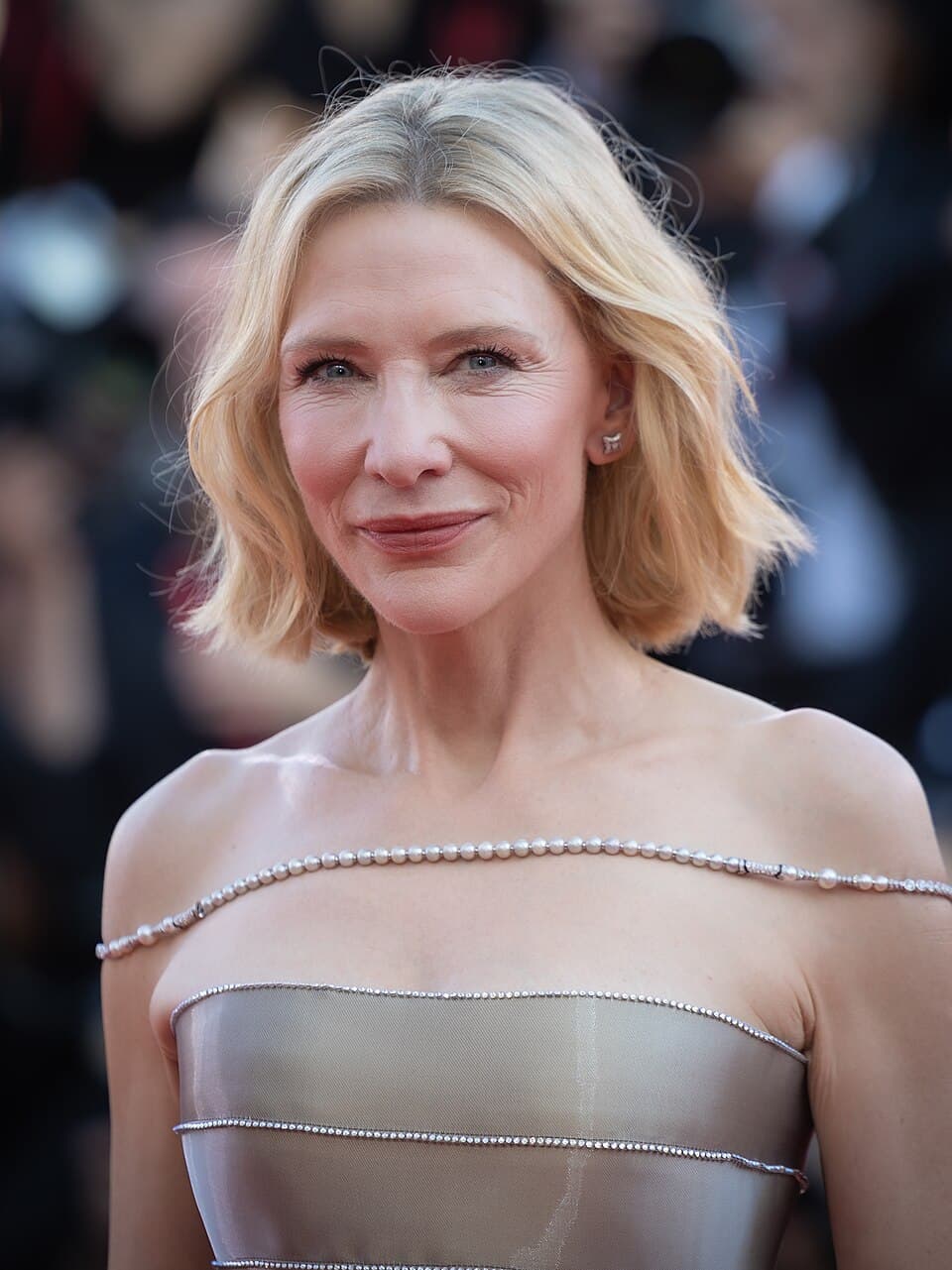
What Australian television has coming in 2020 and why you should care
The ABC has a political thriller, Stan has a Cate Blanchett immigration drama, and Foxtel has whatever Foxtel always has, which is good television nobody subscribes to watch.
RHYS TAVITA22.01.2020