Stateless arrived at exactly the wrong time and that made it necessary
A show about immigration detention centres premiered during a pandemic lockdown, and somehow the timing made it more urgent rather than less.
Here is a thing that happened in May 2020. The ABC premiered a six-part drama about people locked in a facility against their will, stripped of autonomy, watched by guards, and denied clear information about when they would be released. The rest of Australia was, at that exact moment, sitting in their lounge rooms under Stage 3 restrictions, stripped of autonomy, watched by police helicopters, and denied clear information about when they would be released. The parallels were not subtle. Nobody pointed them out. The show came and went in the space of three weeks, and the national conversation moved on to whatever Scott Morrison had done that morning.
Stateless deserved better than that. It deserved better, honestly, than almost everything that happened to it, including its own marketing, which positioned it as “Cate Blanchett’s immigration drama” as though Blanchett were in every scene rather than appearing in a handful of flashback sequences as a cult leader in linen. She is a producer on the show and she is very good in her limited role, but calling it her show is like calling The Godfather Robert Duvall’s film. Technically accurate. Strategically misleading.
Four stories, one fence
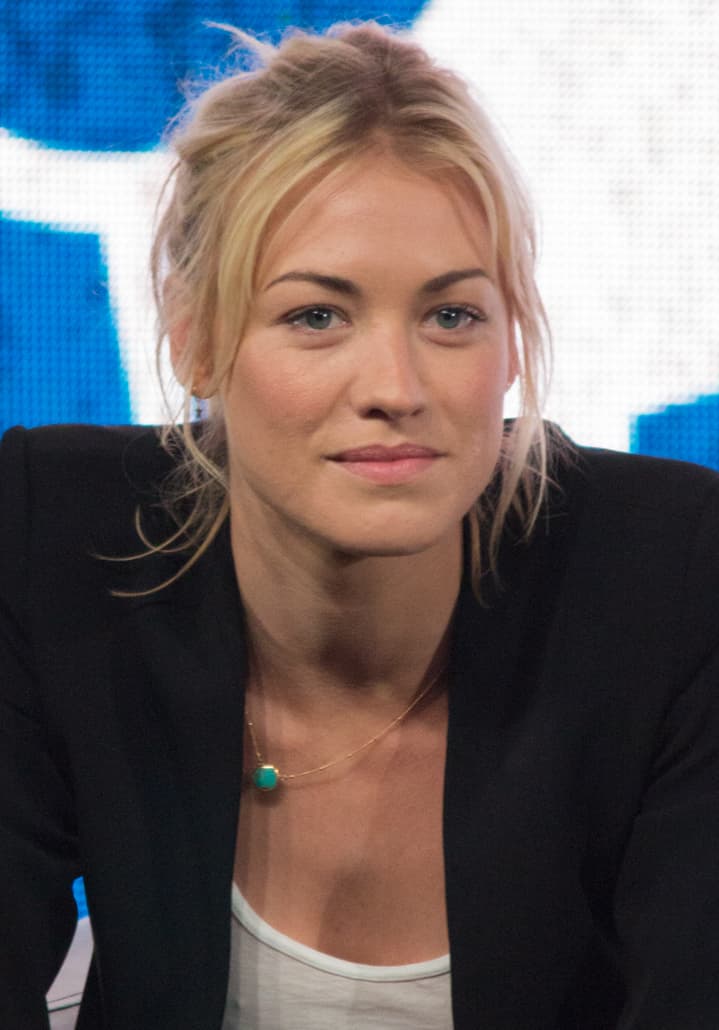
The show works because it refuses to pick a single protagonist. There are four storylines running through the detention centre at Barton, and the show gives each of them roughly equal weight. Yvonne Strahovski plays Sofie, an Australian woman who ends up in immigration detention through a genuinely bizarre chain of events involving the aforementioned Blanchett cult. Fayssal Bazzi plays Ameer, an Afghan refugee navigating the system with his family. Jai Courtney plays Cam, a guard who starts out decent and gets ground down. And Asher Keddie plays Clare, a bureaucrat trying to make the numbers work from a desk in Canberra.
The Sofie storyline is loosely based on the Cornelia Rau case, which for anyone who has blocked out the mid-2000s, involved an Australian permanent resident with a mental illness who was unlawfully detained in Baxter for ten months. The show does not dramatise the Rau case directly. It uses it as a chassis and builds something slightly different on top, which is a smart choice because the facts of the actual case are so bleak that straightforward dramatisation would feel exploitative. Instead, Sofie’s path into detention is weirder, more personal, and harder to categorise, which is sort of the point. The system does not care how you got there. Once you are behind the fence, you are behind the fence.
What Australian TV will not touch
Look, Australian television has a list of subjects it generally avoids, and immigration detention is near the top. We have produced approximately seven thousand cop shows, four hundred medical dramas, and an entire cinematic universe of neighbours having affairs in various suburbs. But the offshore processing system, the onshore detention network, the entire apparatus that successive governments have built and maintained and refused to be transparent about? Television does not go there. Stateless went there, and the fact that it took Cate Blanchett’s name attached to get it greenlit tells you something about what the ABC considers a safe bet.
The show is not perfect. It has a tendency to use Sofie’s storyline as the emotional anchor when Ameer’s is more structurally interesting, which creates an imbalance where the white Australian woman’s confusion gets more screen time than the Afghan family’s systematic dehumanisation. The show is aware of this imbalance. You can feel it trying to correct in later episodes, giving Bazzi longer scenes, more close-ups, more silence to work with. He is superb, for what it is worth. Every moment of calculation, every decision about what to reveal and what to hide, plays across his face without a word. If the show had trusted his storyline more from the start, it would be a stronger piece of work overall.
Jai Courtney, unexpectedly
I need to talk about Jai Courtney. I know. I am as surprised as you are. Courtney has spent the better part of a decade in Hollywood playing large men who hit things, and the general critical consensus has been that he is a nice-looking piece of furniture. In Stateless, he is genuinely good. Cam is a surfie bloke from the coast who takes a job at the detention centre because the money is decent and the alternative is selling cars. He is not cruel. He is not heroic. He is a person who needs a pay cheque and finds himself in a system that requires him to do things he has not thought about hard enough to have an opinion on. Courtney plays the slow erosion of that neutrality with real control, and there is a scene in episode four where his face does something I did not think his face could do. People contain multitudes. Even people from A Good Day to Die Hard.
The timing that nobody asked for
The show landed on the ABC on 1 March 2020. By the time it finished airing in early April, the country was in full lockdown and the news cycle had no room for anything that was not a daily case count. Netflix picked it up internationally a few months later, which gave it a second life in markets where people were also locked in their homes and might have been more receptive to a story about other people locked in a facility. Whether that connection landed or not is hard to say. The international reviews were respectful. The ratings were modest. Nobody called it a cultural event.
Why it matters that nobody talked about it
The absence of conversation is the thing. Australia has a very specific relationship with its detention system, which is that it does not want to think about it. The bipartisan consensus on border policy has made it functionally impossible to discuss detention in mainstream media without one side accusing you of being soft on borders and the other accusing you of being complicit in cruelty. Stateless tried to exist in that gap, telling human stories without reducing them to political positions, and the reward for that effort was near-total silence.
It is still on iview. It is still on Netflix. It is still six episodes that you can watch in an afternoon, and it will still make you uncomfortable in ways that are specific and earned rather than general and performative. That nobody talks about it does not mean it failed. It means the rest of us did.
Rhys watches more television than is healthy and writes about it with a dryness that tips occasionally into cruelty. His favourite ABC drama is the one the ABC just cancelled, whichever that happens to be.
MORE BY RHYS TAVITA →
Stateless crossed the Pacific via Netflix and the conversation changed
The ABC made a show about immigration detention; Netflix put it in front of sixty million subscribers; and suddenly Australian policy was international content.
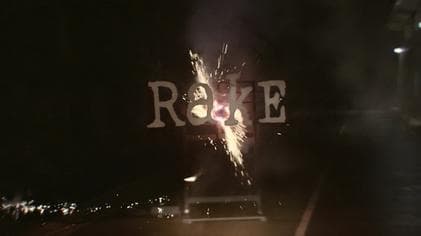
Rake was never about the cases
Eight years and five seasons of Cleaver Greene taught Australian television that you can keep a man unredeemed, and that audiences will follow him anyway.
Return to Paradise imports the cosy-crime formula and survives the flight
The ABC took Britain's most reliable comfort-crime export, moved it to a NSW beach town, and somehow the formula arrived intact.