LOADING…

▶ ESSAYIST
MARA DENG
Diaspora cinema, Australian identity on screen, genre reappraisal
Mara writes essays. She came to film writing from a decade of literary criticism and still reaches, sometimes, for a novel before she reaches for a shot list. She lives in the inner north of Melbourne and does not explain which city that is.
WRITING HERE SINCE FEBRUARY 2020
BY MARA DENG59 PIECES
ESSAYS№ 01
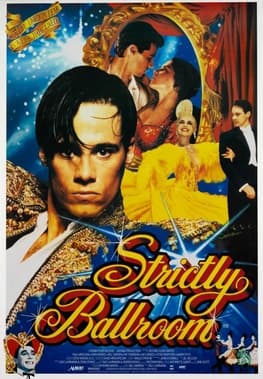
Strictly Ballroom is a film about who is allowed to teach the steps
Baz Luhrmann's 1992 comedy is sold as a story about dance. It is also a story about an Australian champion who has to be taught his own steps by a Spanish-Australian family in their own house.
MARA DENG01.10.2026
ESSAYS№ 02
Looking for Alibrandi was the first Australian story handed to me as mine
It was not my family's story. It was the shape of my family's story, put on a screen in a country that had never once bothered to hold it before.
MARA DENG24.09.2026
ESSAYS№ 03
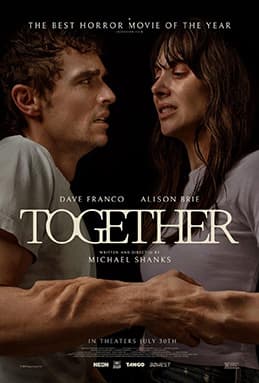
Together is an Australian horror film that learned to say trunk
Michael Shanks made a Melbourne body horror film about two people fusing into one, then sanded the Australian out of it. I keep looking for the seam.
MARA DENG09.09.2026
ESSAYS№ 04
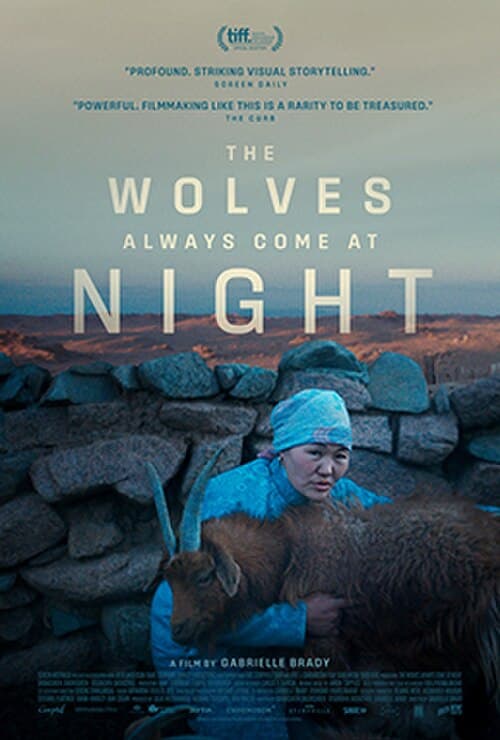
Australia's Oscar entry is in Mongolian and that is the argument
Gabrielle Brady's film has no Australian faces, no Australian landscape and no English in it, and the selection committee was unanimous.
MARA DENG31.07.2026
FILM№ 05
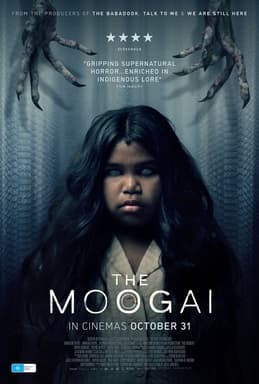
What The Moogai asks you to believe about a mother
Jon Bell's horror film splits its audience along a single question, and the split at Sundance and at Sydney tells you exactly what the film is doing.
MARA DENG25.07.2026
ESSAYS№ 06
The Home Song Stories and the mothers we have to explain
Tony Ayres made a film about a Chinese migrant mother and refused to redeem her. Nineteen years on it is still the bravest thing about it.
MARA DENG02.06.2026
ESSAYS№ 07
Six years of writing about Australian film taught me what I was looking for
I started writing about Australian cinema in 2020 because I thought I knew what it was. I kept writing because I did not.
MARA DENG06.05.2026
ESSAYS№ 08
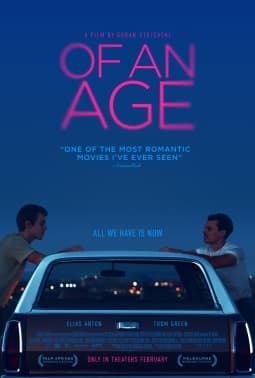
Of an Age and the country a 24 hour love can hold
Goran Stolevski's second feature is a 24 hour love story shot in suburban Melbourne. The country it photographs is one I keep going back to.
MARA DENG06.05.2026
ESSAYS№ 09
Australian cinema does not know what it wants to be next and that might be the whole point
Six years of writing about Australian film has taught me that the industry's identity crisis is not a bug; it is the condition under which the best work gets made.
MARA DENG04.05.2026
ESSAYS№ 10
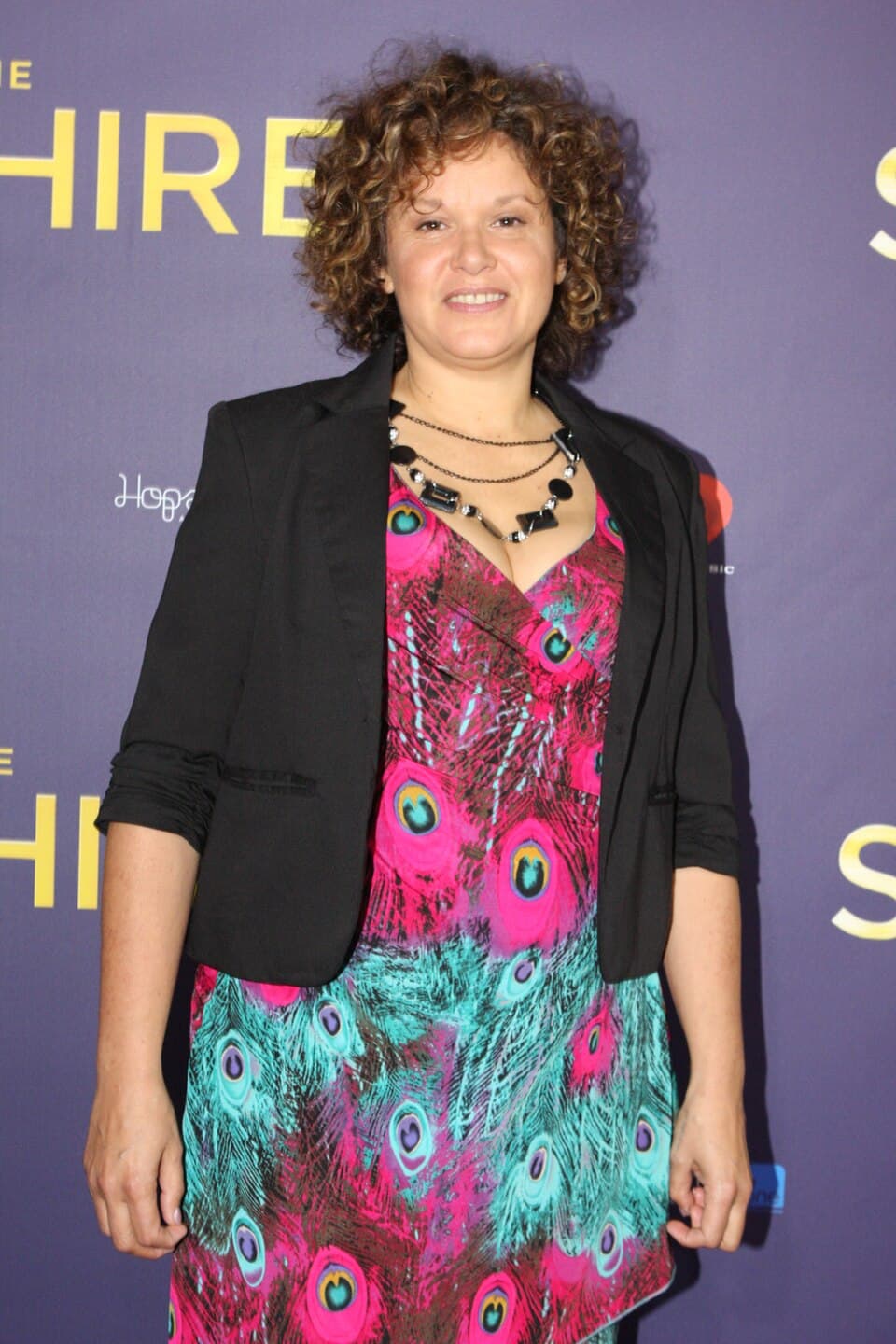
Leah Purcell rewrote the bush myth and then set fire to it
Purcell took a Henry Lawson story, stripped it to the frame, and rebuilt it as a story about the women Lawson's Australia was built to forget.
MARA DENG02.04.2026
ESSAYS№ 11
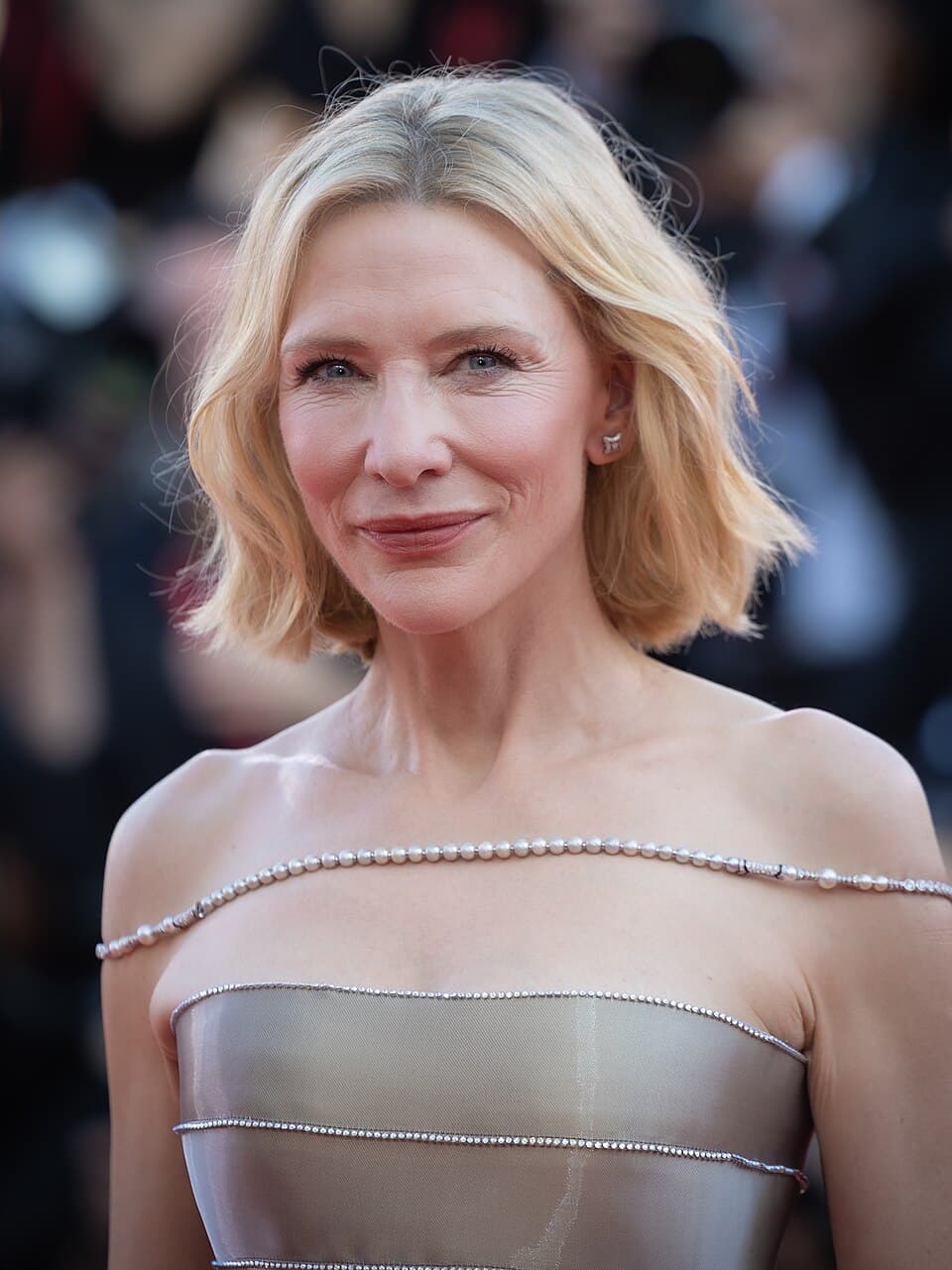
Cate Blanchett keeps one foot in Australia and Australian cinema keeps asking her to put it down
Blanchett produces Australian work, funds Australian stories, and has not starred in an Australian film in over a decade, and nobody quite knows how to talk about that.
MARA DENG18.03.2026
ESSAYS№ 12
What is Australian film criticism for if the audience is not reading it
The masthead runs on conviction, the readership is small, and the question of who we are writing for has not gone away.
MARA DENG16.02.2026
ESSAYS№ 13
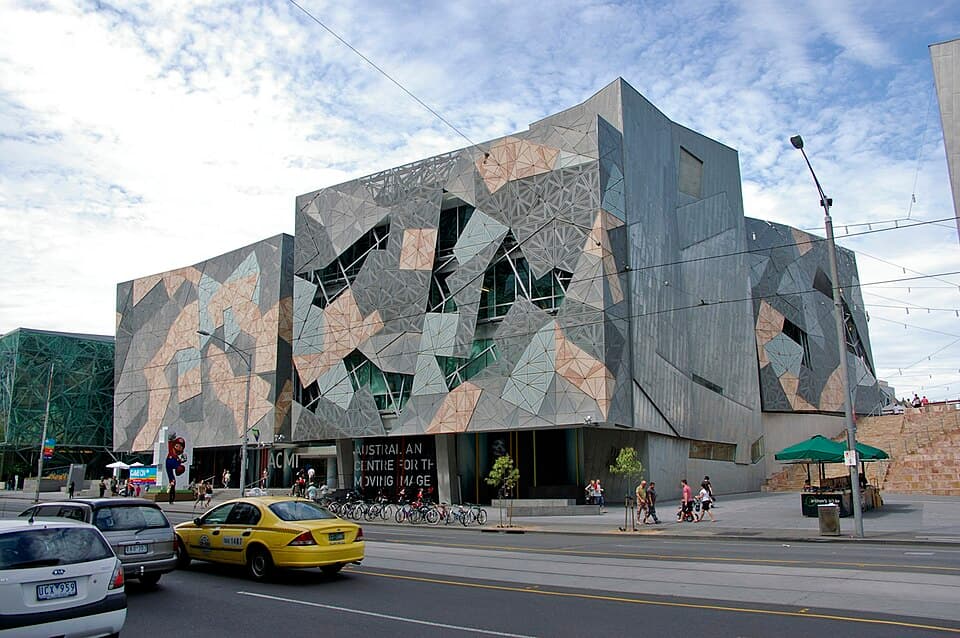
ACMI holds the memory that Australian cinema keeps forgetting to save
The museum on Fed Square is the only place in this country that treats Australian screen culture as something worth keeping, and the fact that it is the only one says everything.
MARA DENG14.01.2026
ESSAYS№ 14
This year I watched forty Australian films and the best ones made me nervous
The comfortable films were fine, the difficult ones were better, and the gap between the two is where Australian cinema lives.
MARA DENG22.12.2025
ESSAYS№ 15
Australian actors keep coming home for horror films and voice roles and nobody has asked why
The biggest Australian actors return to local cinema for the roles Hollywood does not offer them, and the pattern says something about both industries.
MARA DENG18.11.2025
ESSAYS№ 16
Furiosa and the question of what Australian cinema is allowed to be
George Miller spent half a billion dollars in the desert and the result is the most expensive Australian film ever made, which is also the most Australian.
MARA DENG08.10.2025
ESSAYS№ 17
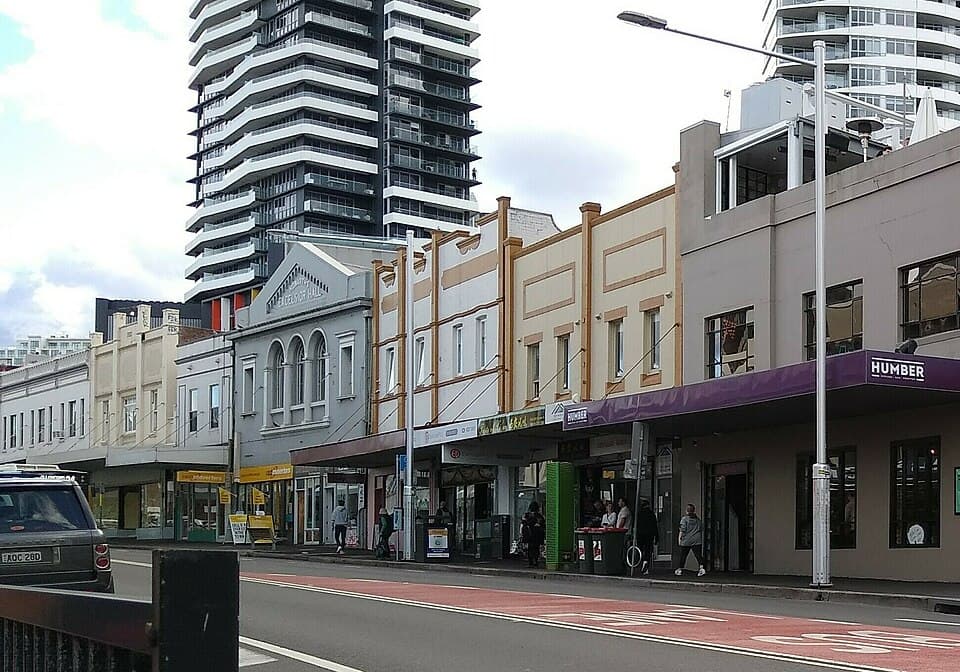
Australian cinema keeps filming the outback and forgetting the towns in between
The films get made in Sydney and Melbourne, the stories get set in the outback, and the actual regional cities where most Australians live barely appear at all.
MARA DENG16.09.2025
ESSAYS№ 18
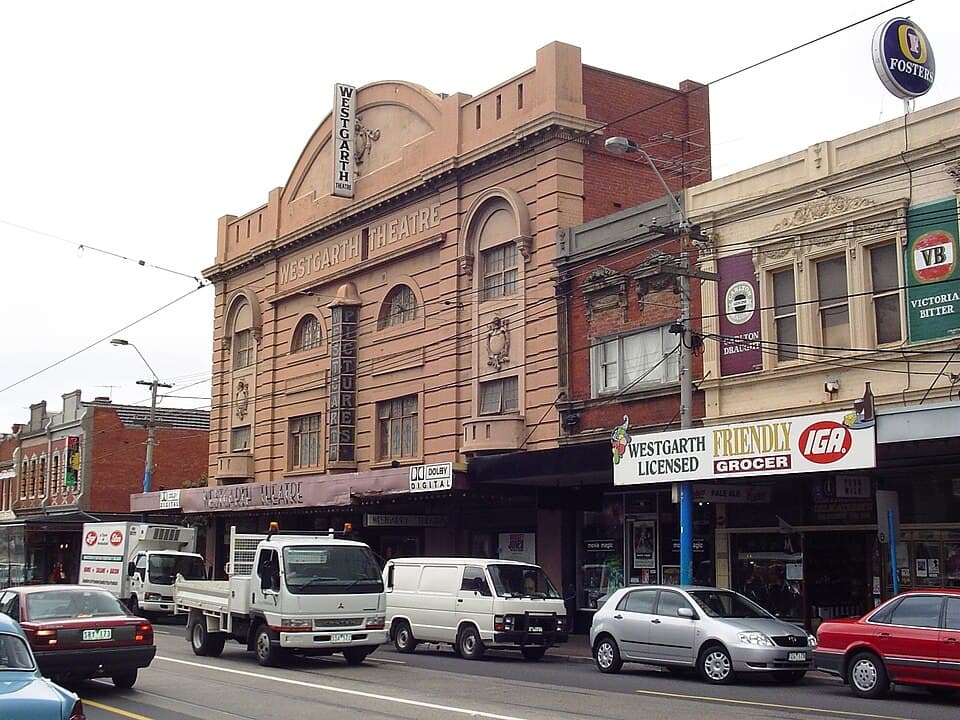
The cinema is not dying but it is learning to share the room
The argument between cinema and streaming was never about screens; it was about who gets to decide what watching means.
MARA DENG12.08.2025
ESSAYS№ 19
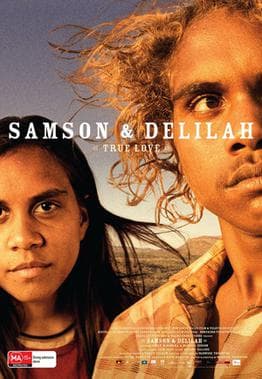
I watched Samson and Delilah for the first time at thirty-two and I am still not sure I was ready
Thornton made a film about two teenagers in love in Central Australia, and the tenderness is so specific it bypasses every defence you have.
MARA DENG22.07.2025
ESSAYS№ 20
Who is Australian cinema for and does it know
The question is not whether Australian films are good enough; it is whether the industry has decided who it is talking to.
MARA DENG16.06.2025
ESSAYS№ 21
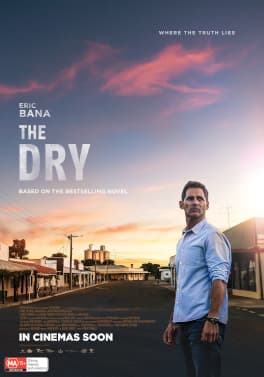
Australian novels keep becoming Australian films and the novels keep winning
The adaptation pipeline from page to screen is the steadiest production line in Australian cinema, and the question is whether the films are earning the books or borrowing from them.
MARA DENG22.04.2025
ESSAYS№ 22
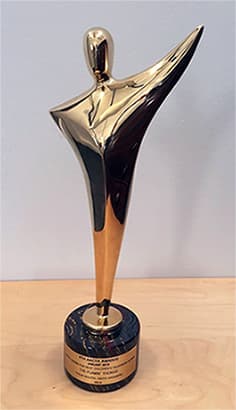
The AACTA ceremony keeps asking Australia to celebrate its own cinema and Australia keeps leaving early
The trophies are heavy, the speeches are short, and the audience at home has already changed the channel.
MARA DENG26.02.2025
ESSAYS№ 23
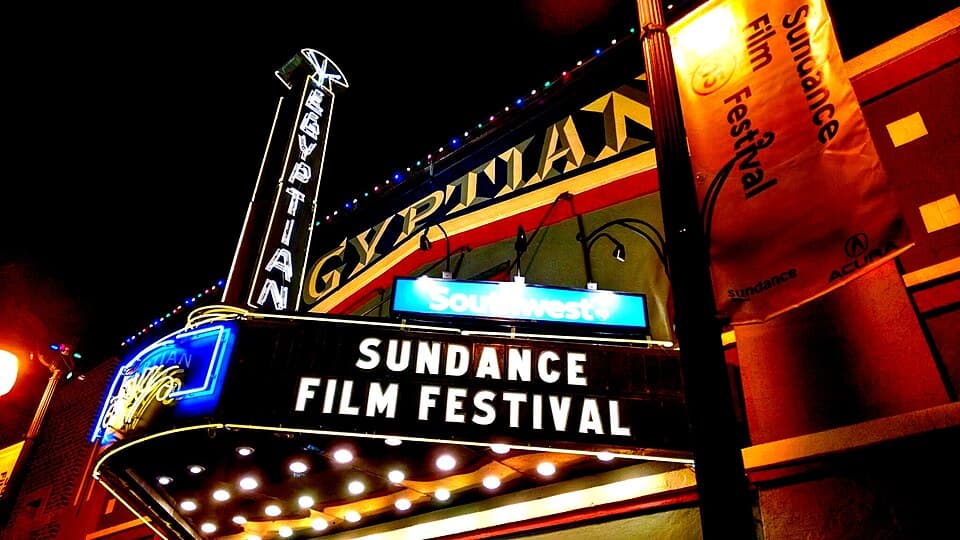
Australian films premiere in January and arrive in cinemas in October and nobody sees the problem
The gap between a film's festival premiere and its local theatrical release is where audience interest goes to die.
MARA DENG14.01.2025
ESSAYS№ 24
Australian cinema in 2024 was everywhere and nowhere at the same time
The year's biggest Australian film cost half a billion dollars and the year's best cost seven million, and nobody quite knew how to hold both in the same sentence.
MARA DENG10.12.2024
ESSAYS№ 25
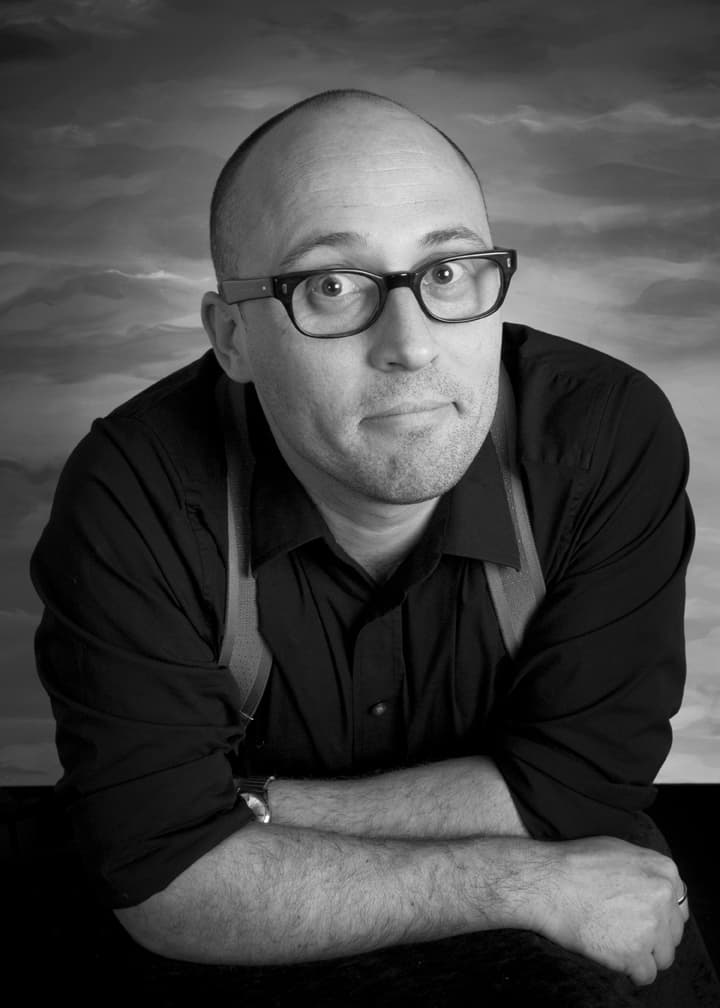
Adam Elliot makes grief out of clay because clay holds its shape when everything else falls apart
Elliot's characters are made of plasticine and painted with fingerprints, and the imperfection is not an aesthetic choice; it is the whole argument.
MARA DENG20.11.2024
ESSAYS№ 26
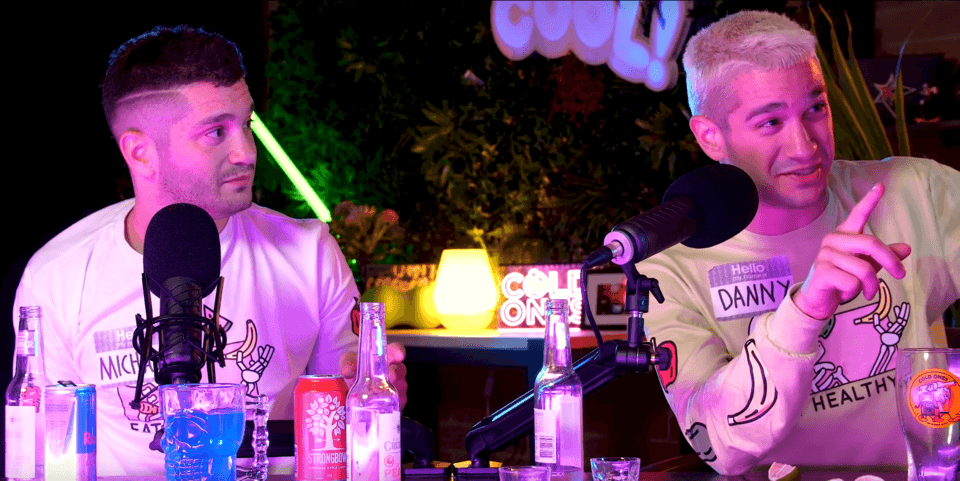
The Philippou brothers came from YouTube and brought the algorithm's pacing with them
Danny and Michael Philippou learned to direct by keeping strangers watching for three more seconds, and that instinct is the engine underneath Talk to Me.
MARA DENG14.08.2024
ESSAYS№ 27
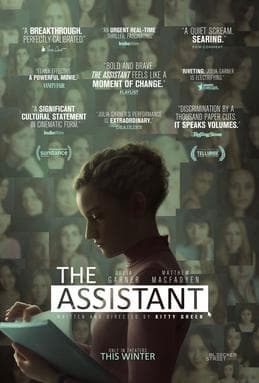
Kitty Green keeps making films about women watching men decide
Green's camera sits where her protagonists sit: on the edge of the room, seeing everything, authorised to do nothing about it.
MARA DENG18.06.2024
ESSAYS№ 28
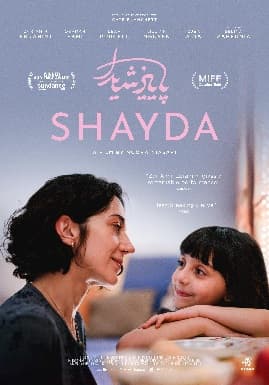
Shayda shows what migration feels like from inside the refuge and does not translate
Niasari's film is in two languages and the subtitles carry only half of what the Farsi says, and that gap is the whole subject.
MARA DENG18.03.2024
ESSAYS№ 29
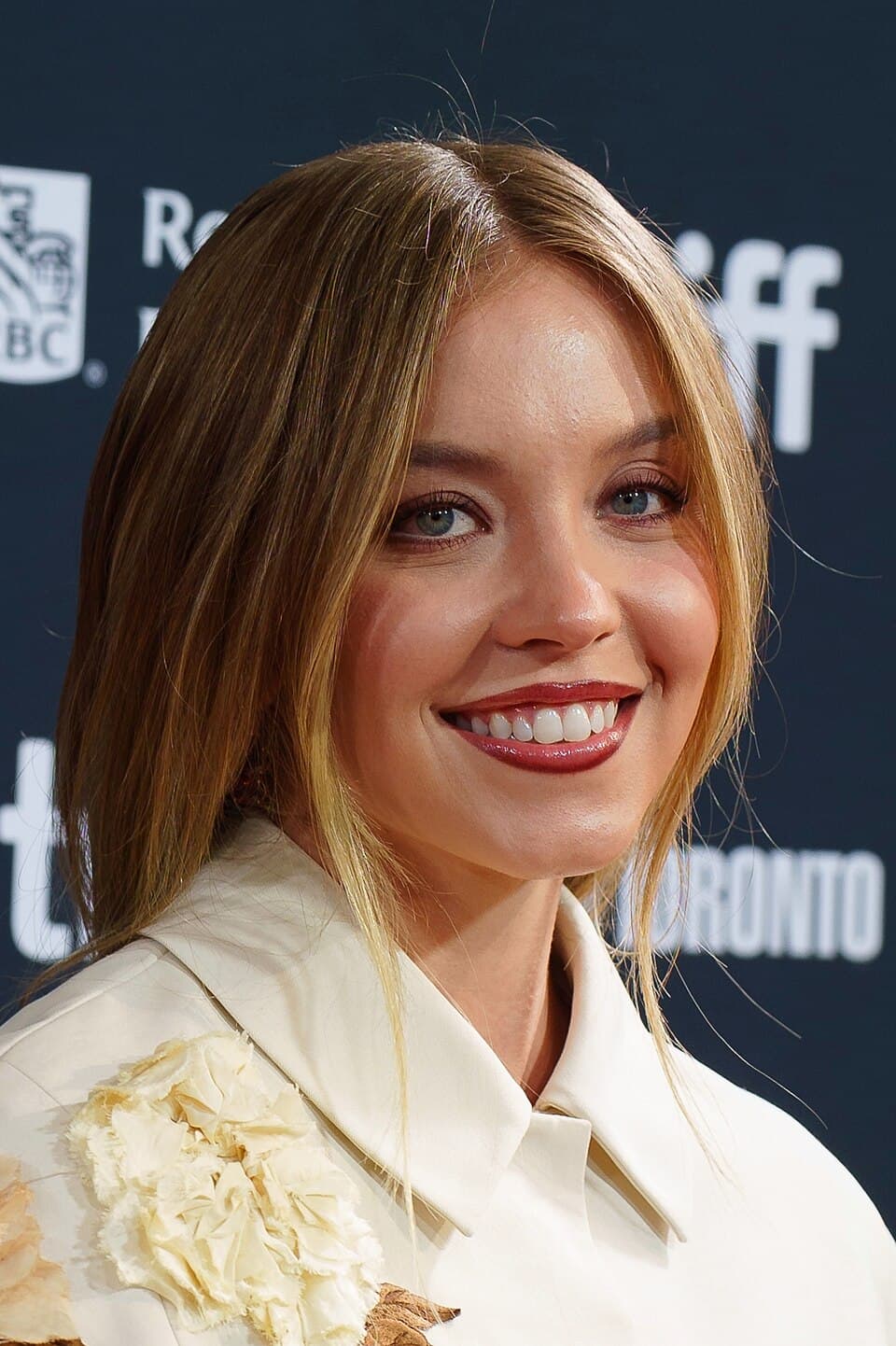
Anyone But You made $220 million and Australian cinema still does not know what to do with that
The most commercially successful film ever shot in this country is a romantic comedy that pretends to be American, and the success tells us something we do not want to hear.
MARA DENG20.02.2024
ESSAYS№ 30
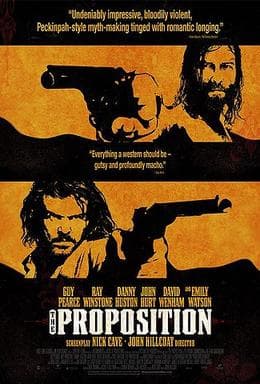
The Australian western keeps returning to the frontier because the frontier never left
From The Proposition to Sweet Country to The Nightingale, the Australian western is not a costume drama; it is a reckoning conducted on horseback.
MARA DENG18.10.2023
ESSAYS№ 31
Sydney Film Festival is a room full of strangers agreeing to sit still together
The festival is not really about the films; it is about the decision to be in a room with other people who chose to be there too.
MARA DENG04.07.2023
ESSAYS№ 32
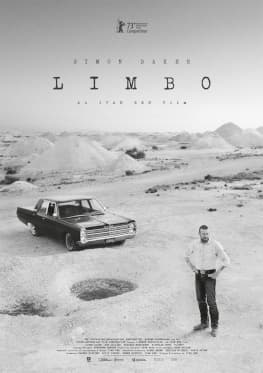
Ivan Sen stripped Limbo of colour and found everything underneath
Sen shot in black and white because the outback already has too many colours to lie behind.
MARA DENG08.06.2023
ESSAYS№ 33
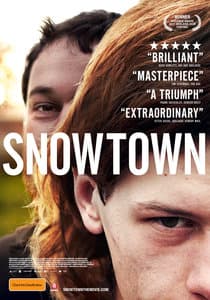
Every Australian true-crime adaptation asks permission from the audience and not from the dead
We keep making films about real violence and calling it necessary, and the question of who benefits has not been answered.
MARA DENG26.04.2023
ESSAYS№ 34
Australian women on screen in 2023 were allowed to be difficult and the work was better for it
The year's strongest Australian screen work gave women permission to be angry, messy, cruel, and specific, and the camera did not flinch.
MARA DENG22.03.2023
ESSAYS№ 35
Australian cinema keeps building cults because the country keeps producing them
From The Family to The Clearing, Australian screen culture returns to cults because the conditions that produce them never quite go away.
MARA DENG28.02.2023
ESSAYS№ 36
Australian cinema in 2022 made the difficult films and then struggled to show them
The films were there, the festivals screened them, the cinemas booked them for two weeks, and then they were gone.
MARA DENG20.12.2022
ESSAYS№ 37
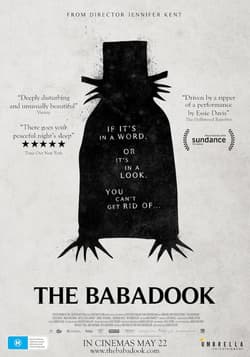
Australian horror found its voice by refusing to be polite
From The Babadook to Relic to Talk to Me, Australian horror keeps returning to the house, the family, and the thing that should not be let in.
MARA DENG22.11.2022
ESSAYS№ 38
Hollywood keeps filming in Australia and asking Australia to pretend it is somewhere else
The studios come for the crews, the tax breaks, and the light, and they leave with a film set in Chicago, or Oakland, or a planet that does not exist.
MARA DENG26.10.2022
ESSAYS№ 39
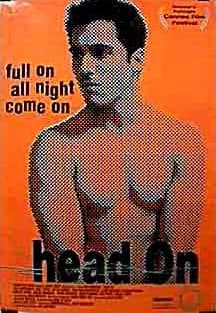
Queer Australian cinema found a new register and it sounds like tenderness
From Head On to Of an Age, queer Australian cinema shifted from fury to patience, and the loss and the gain are both worth measuring.
MARA DENG20.09.2022
ESSAYS№ 40
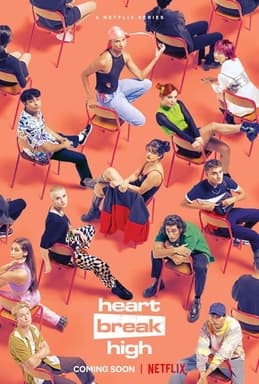
Heartbreak High came back and I realised I was no longer the target audience
The reboot is not for me and that is fine, but the moment I understood that was the moment I understood what nostalgia actually costs.
MARA DENG22.08.2022
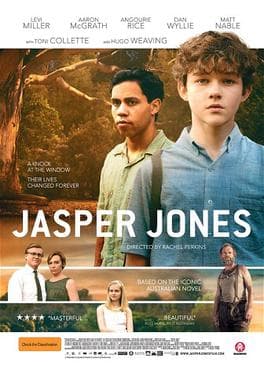
ESSAYS№ 41
Australian coming-of-age films keep growing up in the wrong suburbs
The kids in Australian cinema grow up in small towns, coastal edges, and outer suburbs, and the geography is never accidental.
MARA DENG20.07.2022
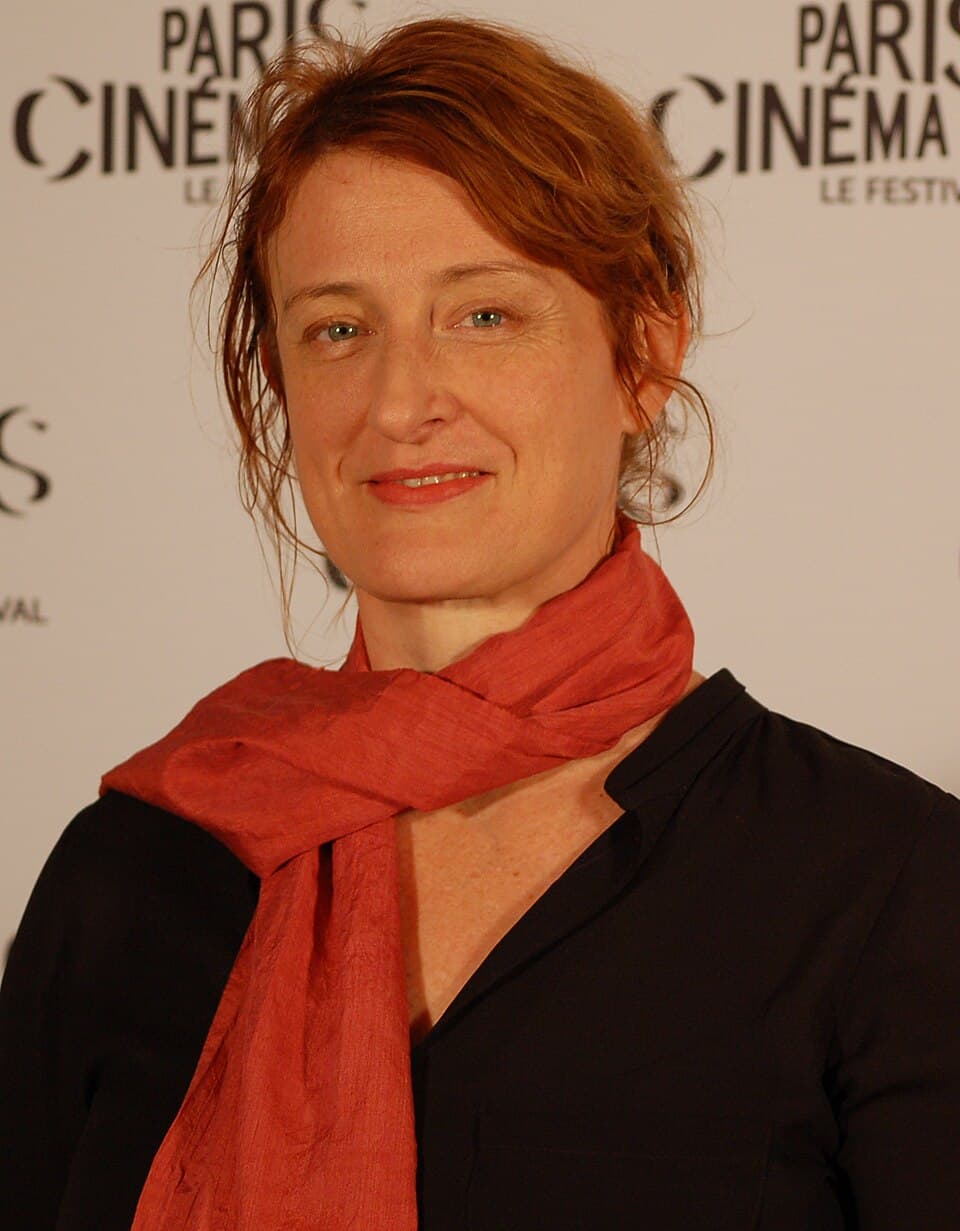
ESSAYS№ 42
Australian women directors stopped waiting for permission and started making the difficult films
Kent, Murphy, Green, and Purcell made the films the industry did not ask for, and the films were better for not being asked.
MARA DENG08.03.2022
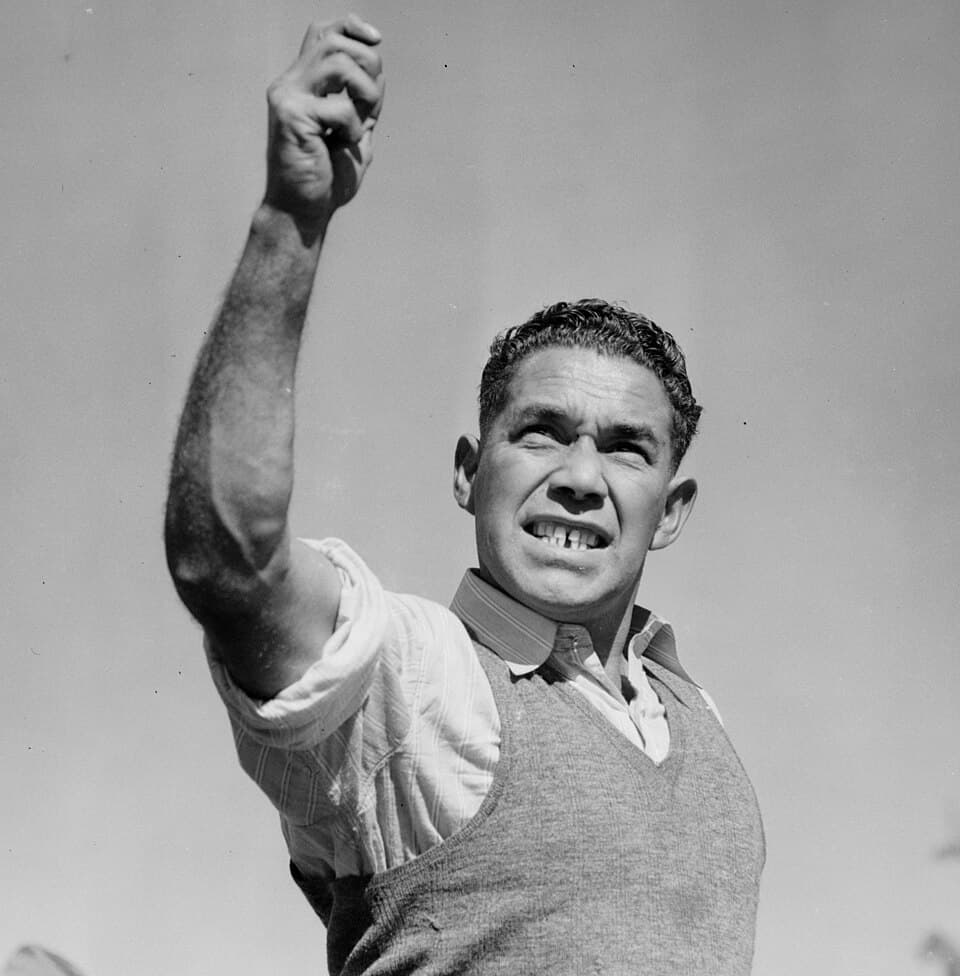
ESSAYS№ 43
Ablaze searches for films that were never meant to survive and finds them anyway
Tiriki Onus went looking for his grandfather's lost films and found something about what a country chooses to remember and what it lets rot.
MARA DENG10.02.2022
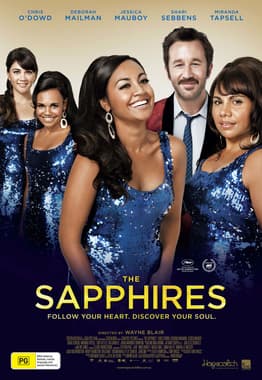
ESSAYS№ 44
The Sapphires proved that feel-good Australian cinema can be political without announcing it
Wayne Blair made a crowd-pleaser about four Aboriginal women singing soul music in Vietnam, and the politics are in every frame without ever being in the dialogue.
MARA DENG18.01.2022
ESSAYS№ 45
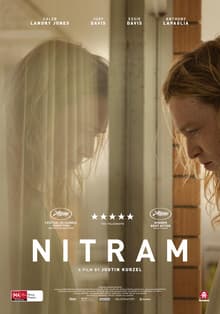
2021 was the year Australian cinema got serious and the audience looked away
Four of the year's most significant Australian films dealt in violence, guilt, grief, and landscape, and the domestic audience chose to watch something else.
MARA DENG14.12.2021
ESSAYS№ 46
The wellness industry became content and nobody noticed the transaction
Retreats became series, gurus became characters, and the audience who buys both did not notice the overlap.
MARA DENG18.08.2021
ESSAYS№ 47
Penguin Bloom tells a disability story and the magpie gets the better arc
The bird learns to fly; the woman learns to accept; and the gap between the two arcs is where the film's assumptions live.
MARA DENG14.07.2021
ESSAYS№ 48
High Ground walks the frontier and does not pretend to own the view
Stephen Johnson's frontier western is a film about complicity, and it implicates its audience by making them comfortable before it makes them accountable.
MARA DENG20.04.2021
ESSAYS№ 49
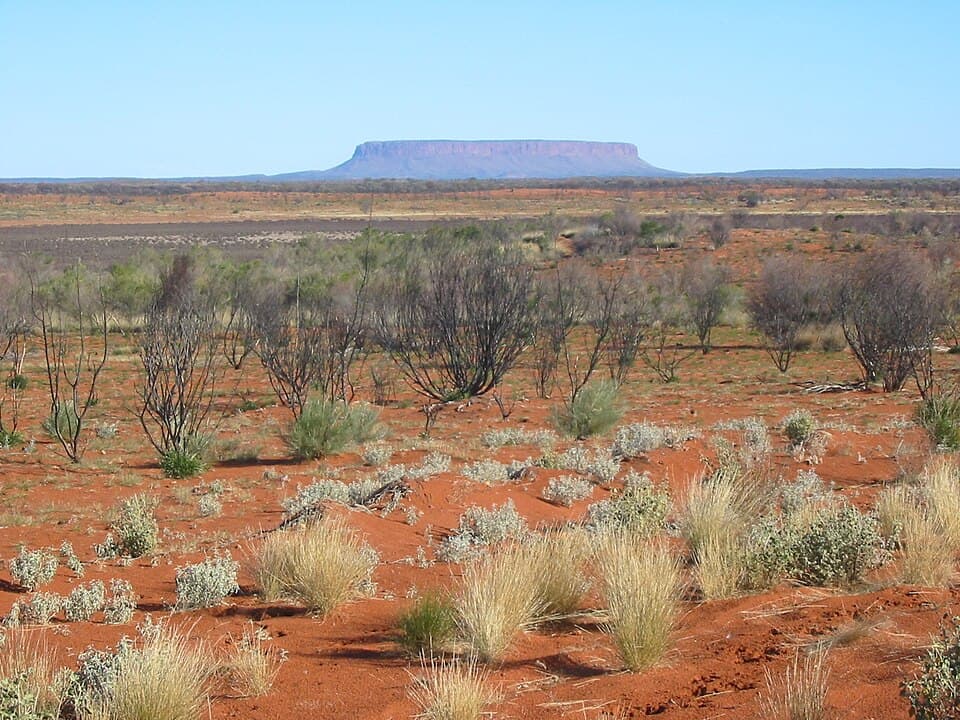
Australian cinema keeps going back to drought because drought never really left
The dry country is not a backdrop; it is a condition, and Australian film returns to it the way a tongue returns to a broken tooth.
MARA DENG24.03.2021
ESSAYS№ 50
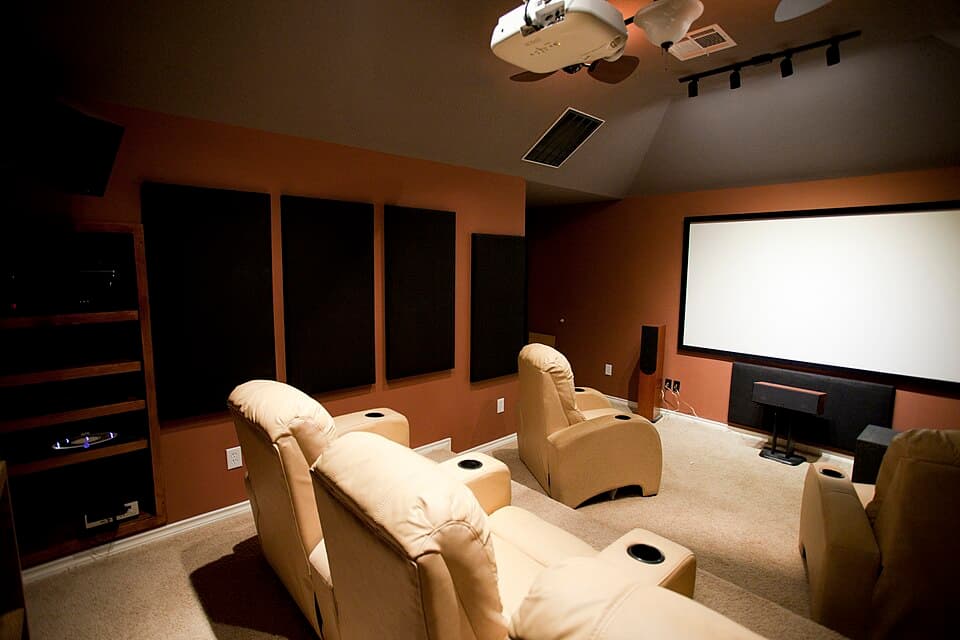
The couch became the cinema and I am not sure it gave it back
Lockdown taught me to watch films on a laptop, and the cinemas reopened, and the laptop stayed where it was.
MARA DENG18.02.2021
ESSAYS№ 51
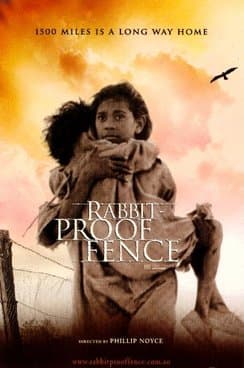
Rewatching Rabbit-Proof Fence and realising the fence was never the point
The film is about three girls walking home, and the walk is twelve hundred miles, and the country they cross does not want them to arrive.
MARA DENG20.01.2021
ESSAYS№ 52
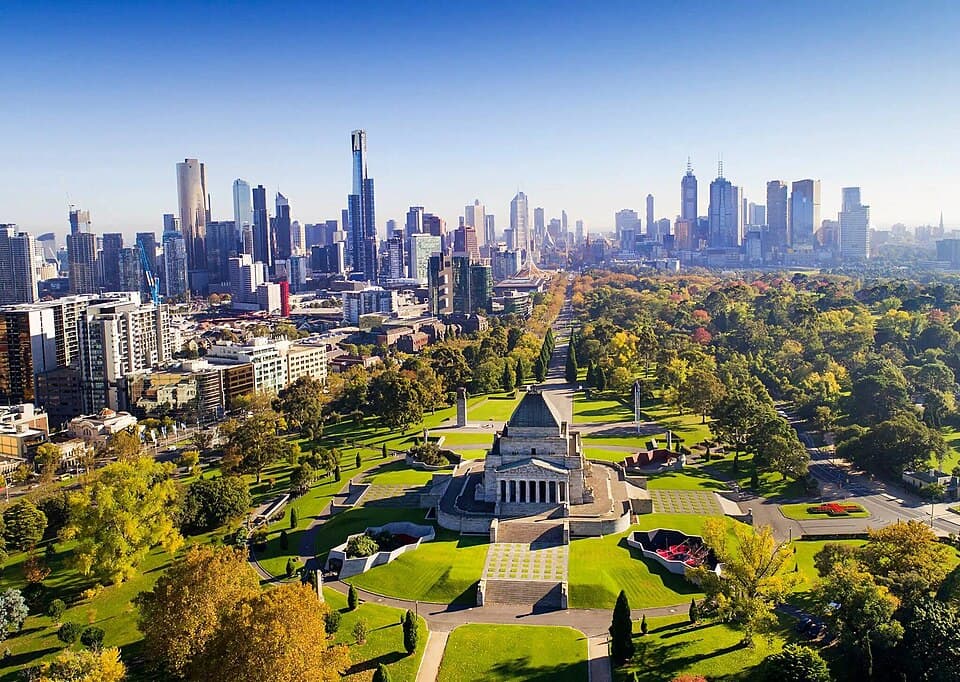
The year ended and I still had not gone back to the cinema
Cinemas reopened in November and I watched three films on my laptop in December and I am not sure what that says about me.
MARA DENG28.12.2020
ESSAYS№ 53
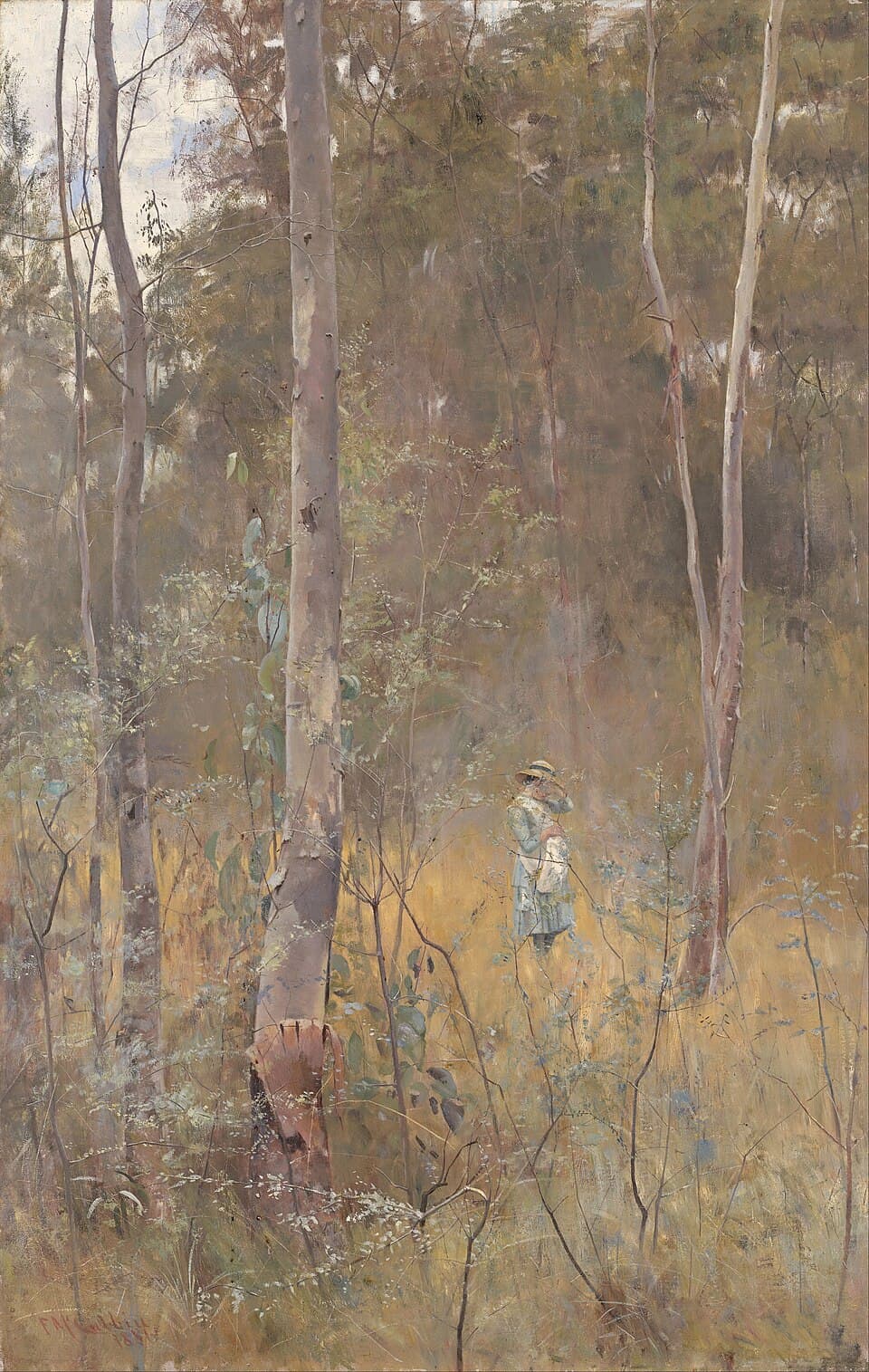
Watching Picnic at Hanging Rock in a room I could not leave
Three women vanish into a landscape that does not want them, and I watched it from a flat with no balcony in Fitzroy.
MARA DENG12.11.2020
ESSAYS№ 54
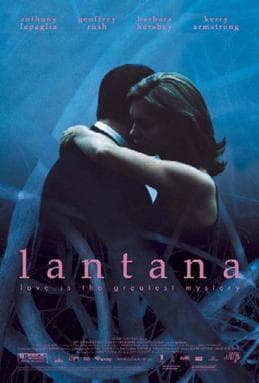
Rewatching Lantana in lockdown and noticing what the neighbours hear
Ray Lawrence's film is about what happens when suburban walls are too thin, and in lockdown every wall became too thin.
MARA DENG16.09.2020
ESSAYS№ 55
What happens when a country stops making new films for six months
The productions paused, the releases dried up, and the silence where new Australian cinema should have been got louder every week.
MARA DENG12.08.2020
ESSAYS№ 56
How do you write about cinema when you cannot go to the cinema
The job is to write about what films do in a room full of strangers, and the room has been empty since March.
MARA DENG14.07.2020
ESSAYS№ 57
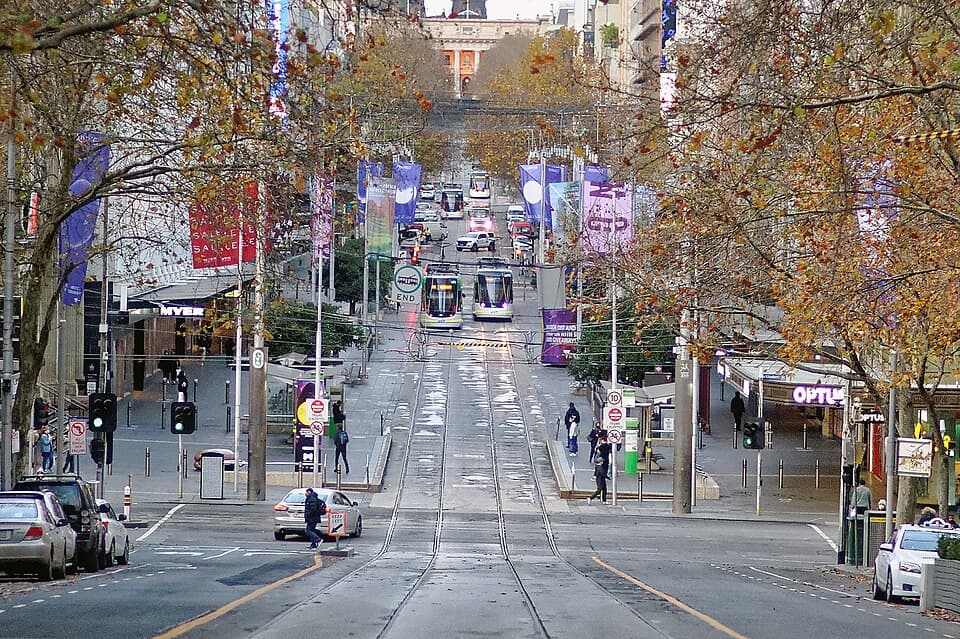
The empty cinema down the road
The Palace on Norton Street has its lights off, and I keep walking past it like it might change its mind.
MARA DENG22.04.2020
ESSAYS№ 58
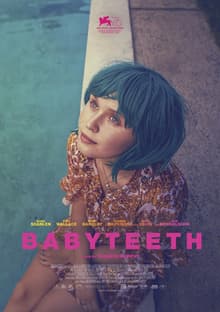
Babyteeth and the dignity of falling apart in public
Shannon Murphy's debut refuses to tidy its grief, and the mess is exactly where the film finds its nerve.
MARA DENG04.03.2020
ESSAYS№ 59
We started a magazine about Australian cinema because somebody had to
The coverage is thin, the films deserve better, and this is our attempt to close the gap.
MARA DENG14.01.2020