Australian women on screen in 2023 were allowed to be difficult and the work was better for it
The year's strongest Australian screen work gave women permission to be angry, messy, cruel, and specific, and the camera did not flinch.
I have been waiting for Australian screen storytelling to let women be unpleasant, and 2023 was the year it finally happened with enough consistency to call it a pattern rather than an accident. Four projects arrived within months of each other, made by different people with different budgets and different intentions, and what they shared was a refusal to make their female leads likeable in the ways that audiences and funding bodies and marketing departments have historically required. The women in these stories were angry, frightened, selfish, cruel, confused, and specific. The camera did not look away. The scripts did not soften them. The result was the strongest year of Australian screen work about women that I can remember.
I want to be careful here, because essays about representation can collapse into cheerleading very quickly, and cheerleading is not criticism. I am not arguing that these four projects were good because they featured complex women. I am arguing that they were good, and that the complexity of their women was a condition of their goodness, not incidental to it. The distinction matters. Representation without craft is just a press release.
The Royal Hotel and the refusal to perform vulnerability
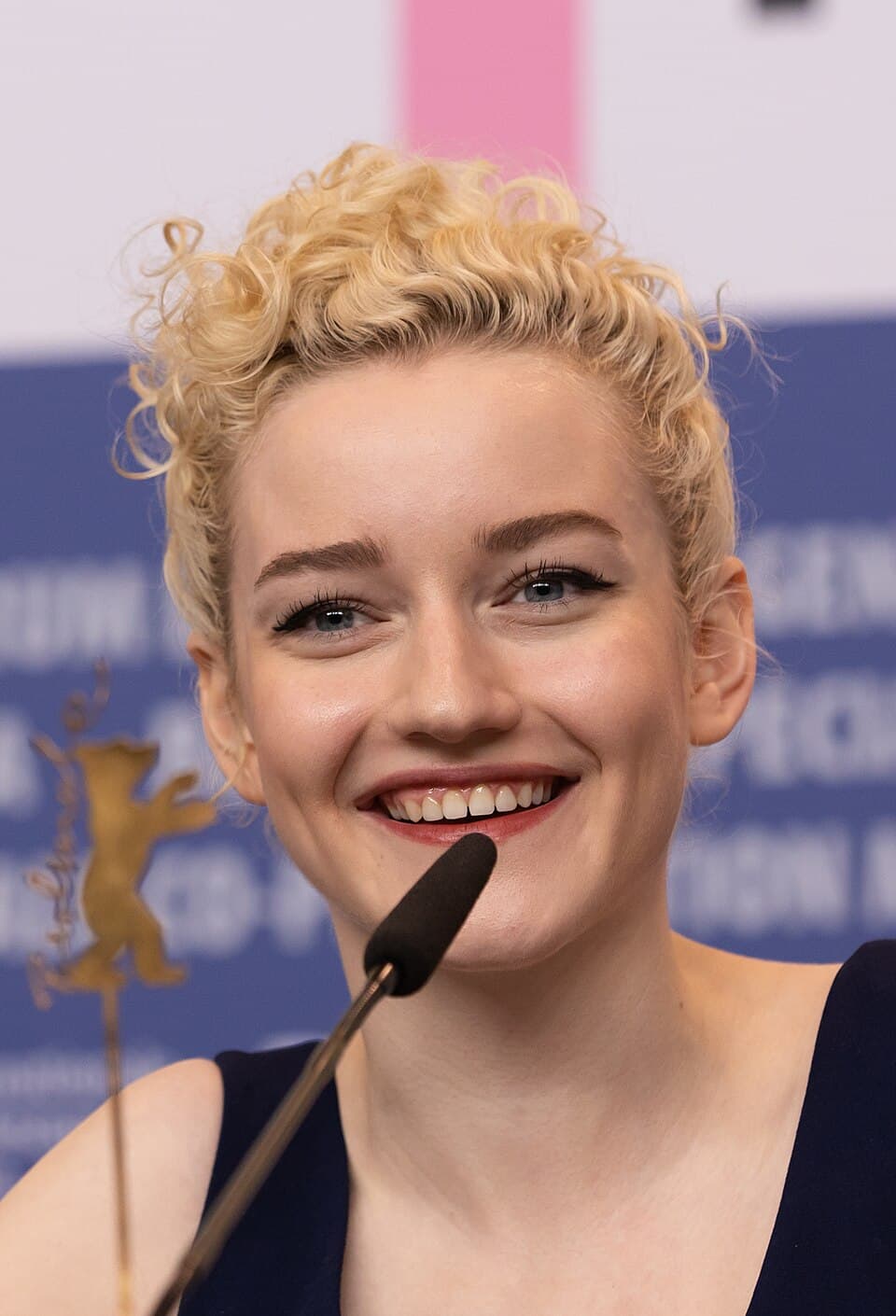
Kitty Green’s The Royal Hotel is the most deliberately uncomfortable of the four, and it earns its discomfort by locating it in the body of a woman who will not perform the reactions the audience wants from her. Julia Garner plays Hanna, a young American backpacker working in a remote pub, and the film’s project is to put her in situations of escalating threat and then deny the viewer the release of a clear, dramatic confrontation. The men in the pub are not villains. They are ordinary and drunk and entitled, and the ordinariness is the point. Hanna does not scream or fight or collapse. She endures, and her endurance is neither heroic nor passive. It is strategic. She is calculating, moment by moment, how much danger she is in, and the calculation is visible on Garner’s face in a way that made me hold my breath for minutes at a time.
What Green understands, and what too many Australian films about women in danger have failed to understand, is that the interesting thing is not the danger itself but the cognitive labour of managing it. Hanna is thinking all the time. She is reading rooms, reading faces, reading the distance between herself and the door. The film respects the intelligence of that labour without celebrating it, because there is nothing to celebrate about a woman who has to be that smart just to get through a shift.
Wellmania and the woman who will not be fixed
Celeste Barber’s Liv in Wellmania is a different kind of difficult. She is a food writer living in New York who returns to Sydney after a health scare and proceeds to be awful to everyone who is trying to help her. She is vain, impatient, self-absorbed, and funny in the way that people who use humour as a weapon are funny. The show lets her be all of these things without a redemption arc that would make the audience feel safe.
This is harder than it looks. The temptation with a character like Liv is to soften her over the course of a season, to reveal the wound beneath the armour, to let the audience in gradually until they understand why she behaves the way she does and forgive her for it. Wellmania resists this. Liv’s behaviour is explained but not excused. She has reasons for being difficult and those reasons do not make her less difficult. The show asks the audience to spend time with a woman who is not always pleasant to be around and to find that time valuable anyway, not because she changes but because she is specific enough to be worth watching even when she is at her worst.
Barber’s performance is the engine of this. She is a comedian who understands timing well enough to know when to break it, and the moments when Liv’s composure cracks are effective precisely because Barber has spent so long maintaining it. There is a scene in the second episode where Liv is alone in a hospital gown and her face does something that comedy is not supposed to do, and it lasts about four seconds, and then the armour goes back up. Those four seconds are the whole show.
Shayda and fear as a daily practice
Noora Niasari’s Shayda is the quietest of the four and the one that has stayed with me longest. Zar Amir Ebrahimi plays Shayda, an Iranian-Australian woman living in a women’s shelter with her young daughter, navigating a custody battle with the husband she has fled. The film is about fear, but not fear as a dramatic event. Fear as a daily practice. Fear as something you carry into every interaction, every phone call, every moment when your daughter is out of your sight.
What makes the film remarkable is Niasari’s decision to let the fear be boring. I mean this as praise. Fear in cinema is usually heightened, scored, edited for maximum tension. In Shayda, fear is repetitive. It is checking the locks. It is scanning the car park. It is the same conversations with the same support workers about the same safety plan, over and over, because safety is not a state you achieve but a practice you maintain. Ebrahimi plays this with a physical precision that is extraordinary. Her shoulders carry the whole film. You can read Shayda’s level of danger in her posture before anyone speaks a word.
The film does not ask the audience to admire Shayda or to pity her. It asks the audience to watch her, carefully, and to understand that the vigilance she maintains is both necessary and corrosive, that it keeps her alive and takes something from her at the same time. There is no moment where she is free. Even the scenes of joy, dancing at a Nowruz celebration, laughing with her daughter, are undercut by the knowledge that freedom is temporary and conditional.
The Clearing and the woman who chose the cage
Teresa Palmer in The Clearing does something that I think is the bravest performance on this list, which is to play a woman who has joined a cult and make the audience understand the appeal without making the cult appealing. Palmer’s character has chosen her captivity, and the show is interested in the difference between a woman who is trapped and a woman who has built the trap around herself. The distinction is not comfortable. It asks the audience to sit with the possibility that complicity and victimhood can coexist in the same person, that agency does not disappear just because it was exercised badly.
The show is not perfect. It stretches its premise across more episodes than the story requires, and some of the cult’s internal politics feel like plot mechanics rather than observed behaviour. But Palmer is doing something in every scene that lifts the material, and what she is doing is refusing to let the audience off the hook. Her character is not sympathetic. She is comprehensible. The gap between those two things is where the show lives.
What 2023 means
I want to resist the urge to declare a turning point, because I have seen enough false dawns in Australian screen culture to know that one good year does not guarantee another. What I can say is that these four projects, taken together, demonstrate something that should not need demonstrating but apparently does: that Australian women on screen become more interesting when they are allowed to be as complicated as the men have always been allowed to be. Not likeable. Not admirable. Not aspirational. Complicated. Difficult. Specific.
The camera held steady. The scripts did not flinch. The women were not redeemed, not punished, not explained away. They were watched, carefully, by filmmakers who trusted their audiences to handle the complexity. That trust is what I want more of. That trust is what makes the work better.
Mara writes essays. She came to film writing from a decade of literary criticism and still reaches, sometimes, for a novel before she reaches for a shot list. She lives in the inner north of Melbourne and does not explain which city that is.
MORE BY MARA DENG →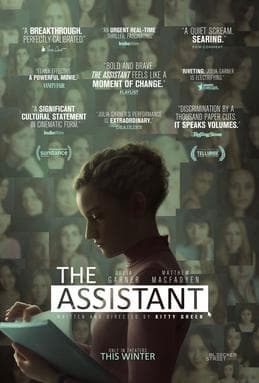
Kitty Green keeps making films about women watching men decide
Green's camera sits where her protagonists sit: on the edge of the room, seeing everything, authorised to do nothing about it.
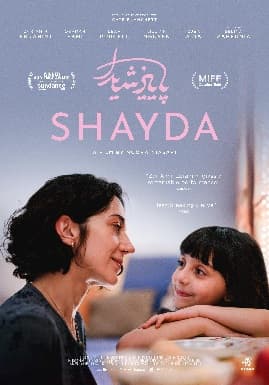
Shayda shows what migration feels like from inside the refuge and does not translate
Niasari's film is in two languages and the subtitles carry only half of what the Farsi says, and that gap is the whole subject.
Australian women directors stopped waiting for permission and started making the difficult films
Kent, Murphy, Green, and Purcell made the films the industry did not ask for, and the films were better for not being asked.