The Artful Dodger puts a surgeon's scalpel in a pickpocket's hand and hopes you will not notice
Stan's Dickens sequel is set in colonial Australia, stars Thomas Brodie-Sangster as a surgeon, and is exactly as unhinged as that pitch meeting must have been.
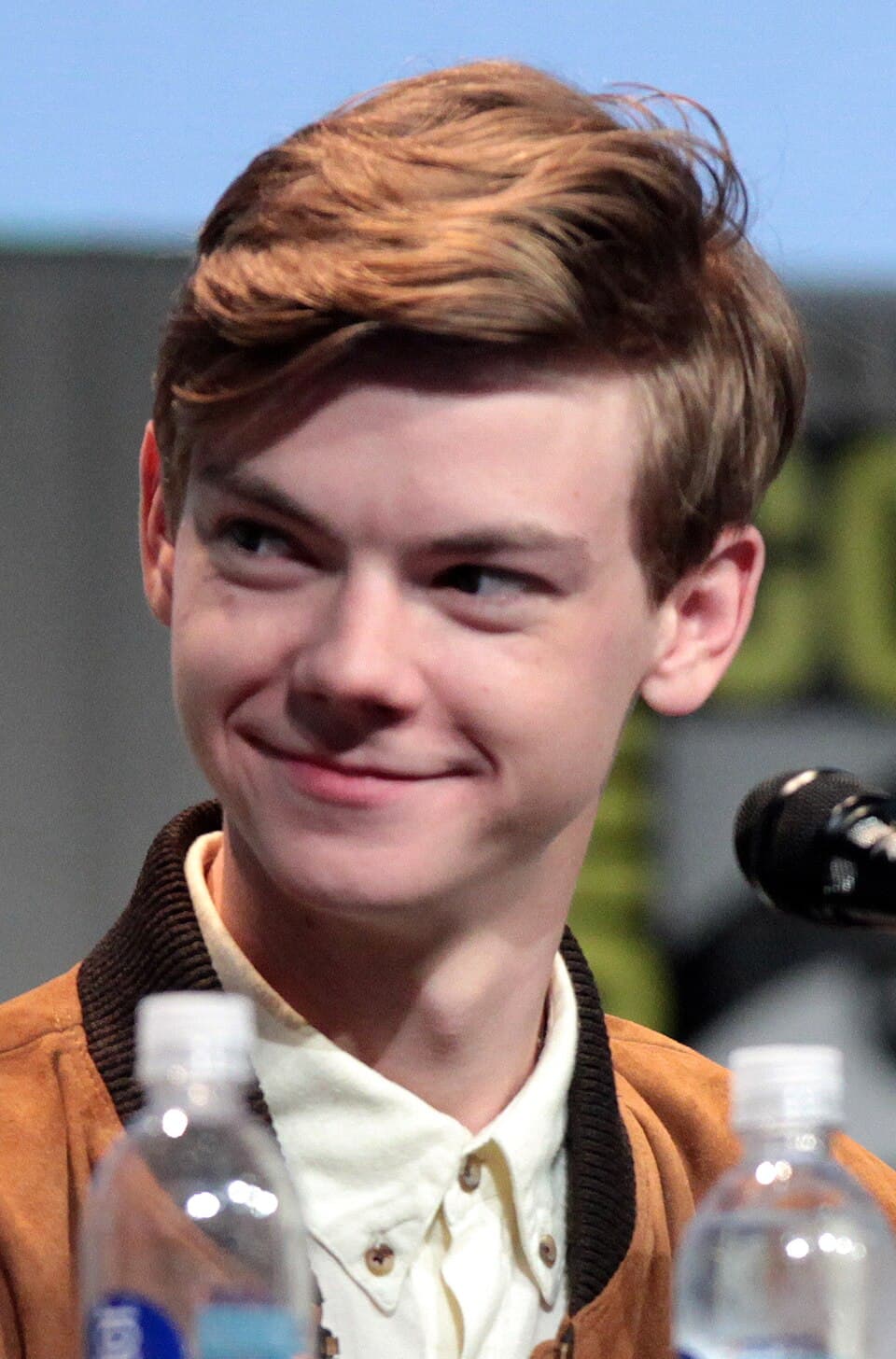
I want you to imagine the pitch meeting. Someone walks into a room at Stan, sits down, and says the following words in sequence: “It is a sequel to Oliver Twist. Dodger is grown up. He is a surgeon now. In colonial Australia. Also David Thewlis is Fagin.” And then someone on the other side of the table said yes. I think about this a lot.
The Artful Dodger premiered on Stan in November 2023, eight episodes of period drama that operates on a level of confidence that should not be possible for a show with this premise. Thomas Brodie-Sangster plays Jack Dawkins, the Dickensian pickpocket who has reinvented himself as a respected surgeon in 1850s Port Victory (a fictional colonial town, filmed in Melbourne and regional Victoria). David Thewlis plays Fagin, who has followed Dodger to Australia because of course he has, because Fagin is the kind of character who would absolutely turn up in the colonies with a scheme and a grudge and a coat that should have been burned years ago.
The show was created by James McNamara and David Taylor, and it understands something important: the premise is absurd, and the only way to survive an absurd premise is to commit to it completely. Half-measures would be fatal. A version of this show that winked at the audience, that acknowledged its own silliness with ironic distance, would be unwatchable. Instead, The Artful Dodger plays it straight. Not humourless, but straight. The surgery scenes are graphic. The class dynamics are real. The romance subplot (between Dodger and Lady Belle Fox, played by Maia Mitchell) has genuine stakes. The show treats its world as if Dickens wrote historical realism, and the effect is disorienting in a way that eventually becomes compelling.
Surgery as spectacle
Look, the surgery scenes are doing a lot of work here. The show is set in the early days of anaesthesia, which means that several operations are performed on conscious patients, and the camera does not look away. Brodie-Sangster’s Dodger uses his pickpocket’s dexterity at the operating table, and the show literalises this connection with a visual language that cuts between his hands performing surgery and flashbacks to his hands lifting wallets. The metaphor is not subtle. It does not need to be subtle. It needs to be watchable, and it is, partly because the production design has committed the budget to making the surgical theatre feel genuinely dangerous.
The period detail is strong throughout. Melbourne doubles effectively for a colonial Australian port town, and the production team (led by designer Mara Brun) has built a world that feels lived-in rather than preserved. The streets are muddy. The buildings are new in the way that colonial buildings are new: hastily constructed, already deteriorating, built by people who expected to be somewhere else within five years. The costumes have weight and texture. Fagin’s wardrobe alone is a performance.
Thewlis does what Thewlis does
David Thewlis has been playing characters who should not work for thirty years, and he brings that experience to Fagin with evident relish. His Fagin is not a reimagining of the character. He is an extension: older, more bitter, still scheming, still manipulative, still somehow sympathetic when the writing allows it. Thewlis plays him with a physicality that recalls his best work (think Naked, think Harry Potter, think the specific way he occupies a room as if he is both too large for it and afraid of being noticed).
Brodie-Sangster is a more restrained presence, which is the right choice. Dodger has spent years building a respectable identity, and the performance reflects that effort: measured, careful, always slightly tense. The show’s best scenes are the ones where Fagin’s chaos collides with Dodger’s composure, and the cracks in the composure widen. Brodie-Sangster is good at cracks. He has been good at them since Love Actually (a film he appeared in at the age of thirteen, which feels like a piece of trivia from a different timeline).
Australian period drama has a track record
The thing is, Australia has been quietly producing period drama for years, and some of it has been very good. The Secret River (ABC, 2015) adapted Kate Grenville’s novel with a seriousness that the subject demanded. Picnic at Hanging Rock (Foxtel, 2018) took a more stylised approach, dividing audiences almost exactly in half. Lambs of God (Foxtel, 2019) went fully unhinged in a different register, gothic and strange and unapologetically weird. The Artful Dodger sits closest to Lambs of God on the spectrum: it knows it is weird, it does not apologise for being weird, and it trusts the audience to either come along or leave.
The difference is that The Artful Dodger has a recognisable IP behind it. Dickens is public domain, and the show uses that freedom aggressively, borrowing characters and relationships and then doing whatever it wants with them. There is a version of this approach that feels cynical, a brand-recognition exercise dressed up in period costume. The Artful Dodger avoids that trap mostly because the execution is too specific and too committed to feel like a corporate decision. Corporate decisions do not include that much on-screen amputation.
Good or just confidently weird
Honestly, I have gone back and forth on this. There are episodes of The Artful Dodger that are genuinely good television: tightly plotted, well-acted, visually distinctive. There are also episodes that survive entirely on momentum and atmosphere, where the plot thins out and the show is basically just vibes in a tricorn hat.
But here is where I land: the show is both good and confidently weird, and the weirdness is what makes the good parts better. A competent period drama about a surgeon in colonial Australia would be fine. It would be professional. It would be the kind of show you watch half of on a Sunday afternoon and then forget to finish. What The Artful Dodger does, by grafting Dickens onto that competent period drama, is give itself permission to be larger and stranger than the genre usually allows. Fagin should not be in this story. His presence makes the story better. The absurd premise is the engine, not the obstacle.
Stan has not announced a second season. The show performed well enough on the platform by Australian standards, which means it was probably watched by the population of a mid-sized suburb. Whether it returns or not, it has done something worth noting: it took a pitch that should have been laughed out of the room and turned it into eight hours of television that is, against all reasonable expectation, worth your time.
Rhys watches more television than is healthy and writes about it with a dryness that tips occasionally into cruelty. His favourite ABC drama is the one the ABC just cancelled, whichever that happens to be.
MORE BY RHYS TAVITA →
Stan made a great Australian road comedy and told nobody
Dylan River directed all eight episodes of a stolen-taxi comedy set in the 1980s outback, and it went out on Stan with roughly the fanfare of a software update.
Invisible Boys never puts anyone on the bus to Perth
Nicholas Verso's ten-part Stan drama refuses the one ending Australian queer coming-of-age stories always reach for, and is far better for the refusal.
Scrublands sends a journalist to a country town and trusts the silence to do the rest
Luke Arnold drives into a drought-stricken town where a priest shot five men, and the show's best quality is that nobody wants to explain why.