The best Australian TV of 2025 was scattered across too many platforms to find
The year's best shows were on six different platforms, and nobody watches all six, which means every show was somebody's blind spot.
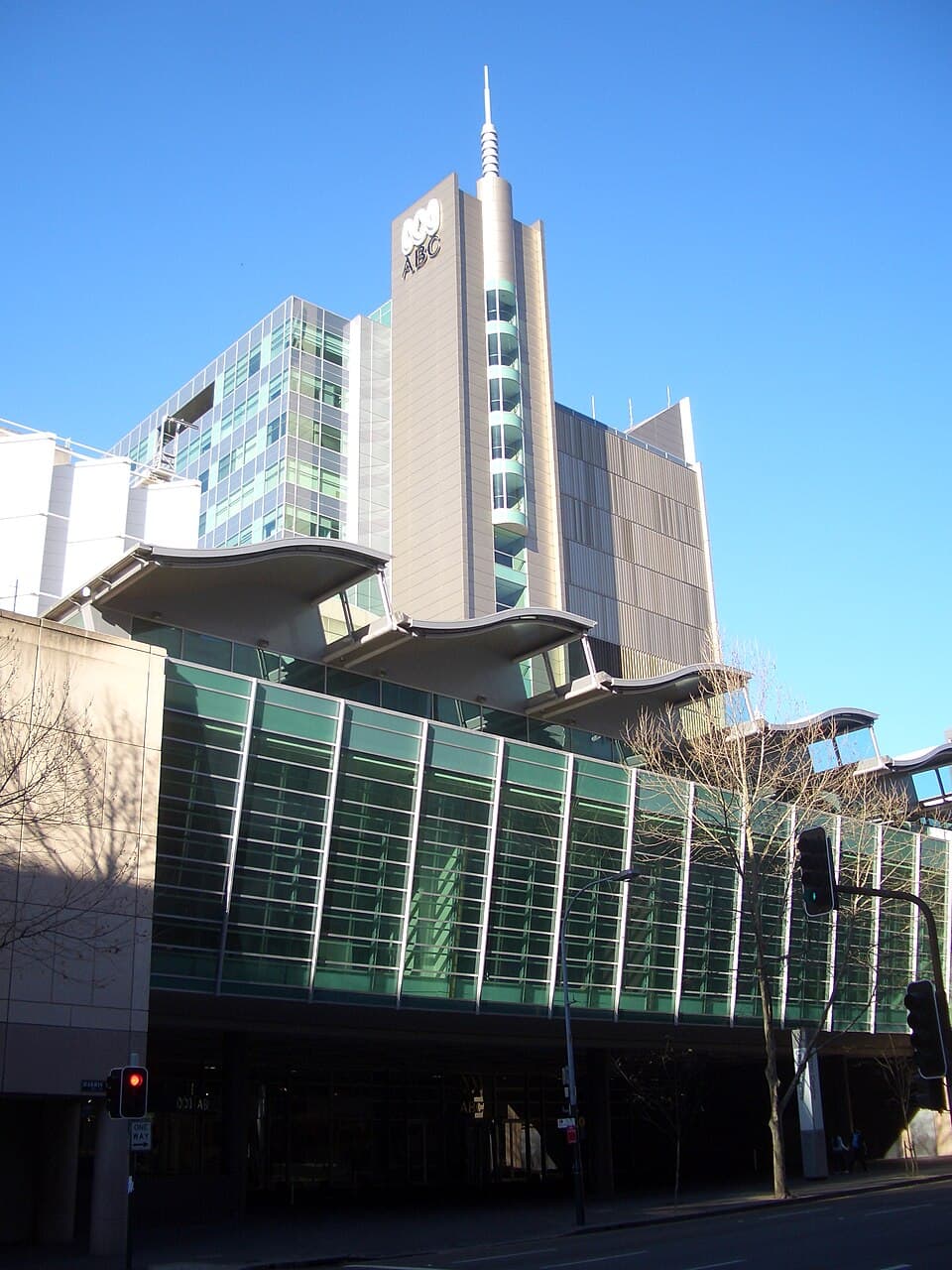
I subscribe to four streaming services. This is, depending on your perspective, either a reasonable commitment to staying informed or a monthly expense that I could redirect towards something useful, like food. In 2025, four was not enough. The best Australian television of the year was spread across ABC iview, Stan, Binge, Netflix, Amazon Prime Video, and Paramount+, which means that to have watched everything worth watching, I would have needed six subscriptions, a spreadsheet, and a level of organisational discipline that I have never demonstrated in any area of my life.
This is the year’s real story. Not which shows were good (several were very good) but the fact that the audience for Australian television has been fragmented into six or seven shards, each watching a different subset of the same national output, each convinced that Australian TV is either thriving or struggling based entirely on which shard they occupy.
The shows that mattered
Let me lay out the field, understanding that your list will differ from mine because you subscribe to different platforms, which is exactly the problem.
The Narrow Road (Stan) was the show I kept recommending to people who then told me they did not have Stan. Six episodes, set in rural Queensland, about a family whose cattle property is bisected by a mining access road. Leah Purcell directed and co-wrote, and the result was the kind of slow-burning drama that trusts its audience to sit with discomfort. The performances were uniformly excellent. The landscape was used as a character in the way that Australian productions do when they remember that the landscape is one of their competitive advantages.
Total Control season three (ABC iview) continued the political thriller that has quietly become one of the best Australian series of the decade. Deborah Mailman and Rachel Griffiths returned, the stakes escalated, and the writing found new angles on institutional power that the first two seasons had not yet explored. The ABC promoted it adequately. Adequate is not enough when you are competing with six other platforms for attention on the same Tuesday night.
Boy Swallows Universe season two (Netflix) took a different approach to the problem of attention: it had a pre-existing audience, name recognition, and the global distribution machinery of the world’s largest streaming platform. The second season deepened the story of Trent Dalton’s Brisbane childhood, and the performances from the young cast (particularly Felix Cameron, returning as Eli Bell) were stronger than the first season. Netflix’s algorithm did the rest. This was the one show on this list that most people had actually heard of.
The Exchange (Binge) was a six-part financial thriller set during the 2008 crisis, filmed in Sydney, starring Asher Keddie as a reserve bank economist who discovers that the collapse was not entirely accidental. The premise sounds like it should not work as television, and for the first episode it teeters on the edge of being too dry, but Keddie’s performance and the writing’s refusal to simplify the economics made it one of the year’s genuine surprises. Binge promoted it for a week and then moved on to whatever HBO show was launching next.
The Survivors (Paramount+) was a limited series about the aftermath of a bushfire in a small coastal town, which is a premise so specifically Australian that it could not have been made anywhere else. The ensemble cast included Hugo Weaving (in his first Australian television role in over a decade), Essie Davis, and Hunter Page-Lochard. It was sombre, precisely acted, and almost certainly watched by fewer people than it deserved, because Paramount+ in Australia has the market presence of a library in a shopping centre.
The Teacher season two (ABC iview) proved that the first season’s success was not a fluke. The school-set thriller maintained its tension across eight episodes, found new ethical territory, and confirmed that the ABC remains the most reliable commissioner of Australian drama, even as its audience share continues its long structural decline.
The audience nobody owns
Here is the maths. If you subscribe to Stan and the ABC (which is free), you saw The Narrow Road and Total Control and The Teacher, and you had an excellent year of Australian TV. If you subscribe to Netflix and Binge, you saw Boy Swallows Universe and The Exchange, and you also had an excellent year of Australian TV. These are different excellent years. The Venn diagram overlap is small. The national conversation about Australian television, to the extent that one exists, is being conducted by people who are describing different canons.
This is not a problem that anyone set out to create. It is the structural consequence of multiple platforms commissioning Australian content simultaneously, which is, by any measure, better than the alternative (one or two platforms commissioning Australian content, or none commissioning it at all). More Australian stories are being told now than at any point in the medium’s history. The issue is that the audience for those stories has been distributed across platforms that do not share data, do not cross-promote, and have no incentive to make their competitors’ shows discoverable.
What discovery looks like now
In 2005, discovering Australian television meant turning on the ABC or SBS at the right time. The discovery mechanism was the broadcast schedule, which was crude but universal: if you owned a television, you had access to the same shows at the same time as everyone else. In 2025, discovery is algorithmic, and the algorithms are optimised for platform retention, not national cultural literacy. Netflix’s algorithm will recommend Boy Swallows Universe if you have already watched Australian content on Netflix. It will not recommend Total Control, because Total Control is on a competing platform, and algorithms do not perform public service.
The result is that 2025 was simultaneously the best year for Australian television quality and the worst year for Australian television discovery. The shows existed. The audiences existed. The connection between the two was left to word of mouth, social media, and the increasingly desperate promotional efforts of platforms that know their best shows are invisible to two-thirds of the potential audience.
So what was the best show
People keep asking me this. The answer depends on what you mean by best, and also on which platforms you subscribe to, and also on whether you happened to see the one tweet or Instagram post that alerted you to the show’s existence in the first place.
If you are asking me what I think, right now, today: Total Control season three. But I watched it on iview, which is free, which means I am recommending a show that anyone in Australia can watch without spending money, which feels like cheating in a year where the conversation has been dominated by shows locked behind paywalls.
The best Australian TV of 2025 was excellent. Finding it was the hard part.
Rhys watches more television than is healthy and writes about it with a dryness that tips occasionally into cruelty. His favourite ABC drama is the one the ABC just cancelled, whichever that happens to be.
MORE BY RHYS TAVITA →
Australian television in 2026 has more shows and fewer places to put them
The shows are good, the platforms are crowded, and the audience is splitting into fragments too small for any one show to own.
Australian true-crime TV has run out of ways to say 'based on a true story'
Every Australian streamer has a true-crime limited series in development, and the genre is starting to eat itself.
What we watched when everything stopped
Three months into lockdown, the streaming queue has replaced the cinema queue, and the couch has replaced everything else.