What we watched when everything stopped
Three months into lockdown, the streaming queue has replaced the cinema queue, and the couch has replaced everything else.
We are three months in now. The sourdough phase is over. The banana bread phase peaked and crashed. I have rearranged my living room twice and both times it ended up worse. What remains, the one constant, is the television. It has not let me down yet, though I suspect that is because I have lowered my standards to the point where “letting me down” would require the screen to physically detach from the wall.
Here is what I have watched since March, roughly in order of how much I remember.
The first wave
Tiger King landed in the early days, when we all still thought this would last a few weeks. It was perfect lockdown television because it required nothing from you except a willingness to believe that people in Florida are exactly as unhinged as you suspected. I watched all seven episodes in two sittings, talked about it for a week, and have not thought about it since. That is the correct relationship to have with Tiger King. Anyone still posting memes about Carole Baskin in June needs to log off and go for a walk (within their permitted 5km radius, obviously).
Then came Normal People, which arrived on Stan at exactly the right moment. Everyone was trapped indoors, slightly touch-starved, and here was a show about two beautiful Irish people who could not stop touching each other. It was manipulative and it worked perfectly. The Sally Rooney adaptation did that thing where you finish an episode and immediately text someone “are you watching this” despite knowing full well they are, because what else would they be doing. Daisy Edgar-Jones and Paul Mescal understood something about stillness and proximity that most actors twice their age have not figured out. I watched the chain scene four times. I am not proud of this, but I am not ashamed either.
The return of the back catalogue
The interesting shift, the one I did not expect, was how quickly people turned to old stuff. My group chat (four people, three of whom have opinions about Rake) spent a solid fortnight rewatching Richard Roxburgh being terrible to everyone in Sydney. Rake is not a show that improves on rewatch, exactly, but it is a show that becomes more comfortable, and comfort was the entire currency of April 2020. You knew what you were getting. Cleaver Greene would be brilliant and self-destructive. Someone would yell at him. He would say something clever in court. The pattern held, and holding patterns were all we had.
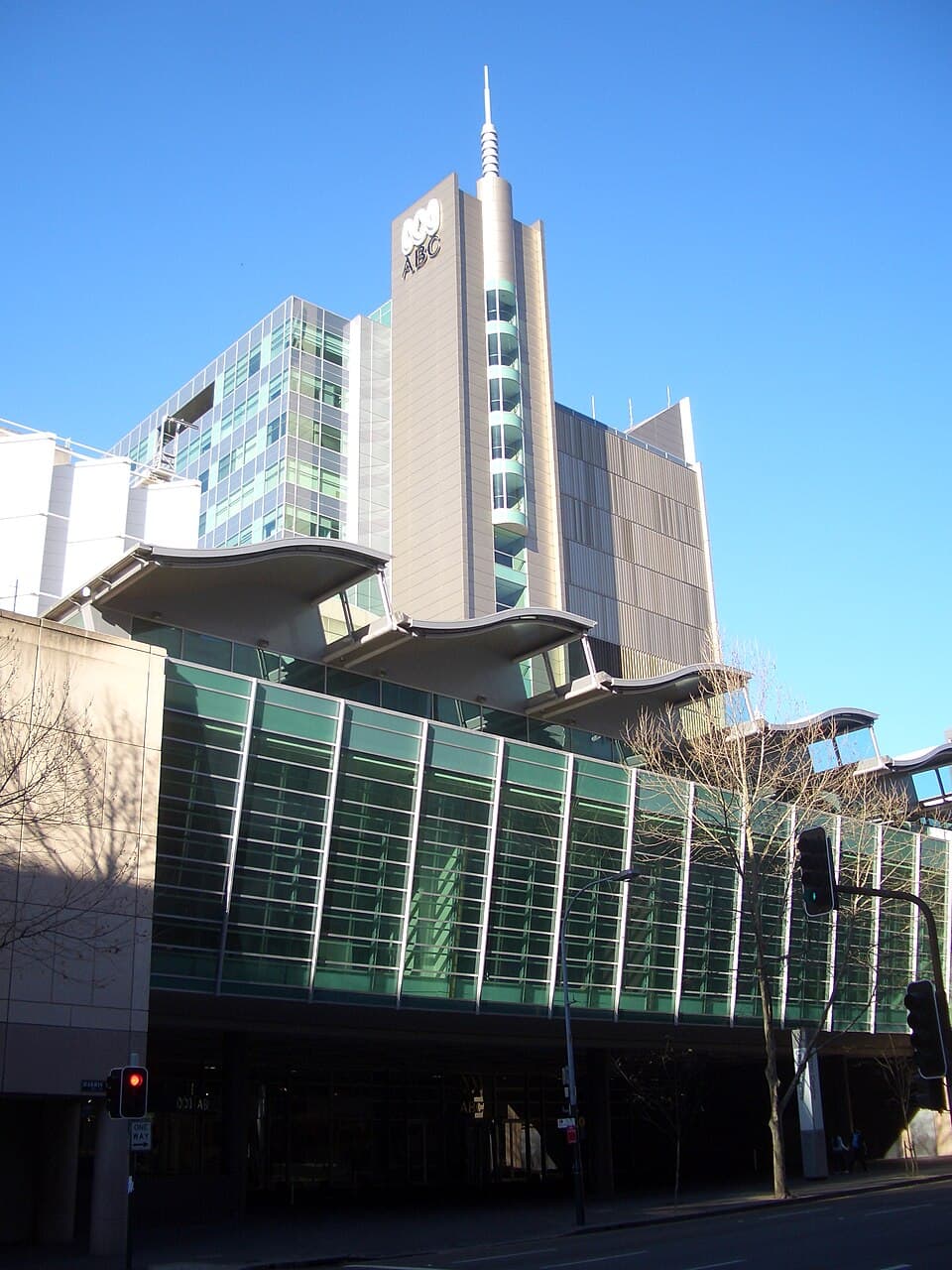
ABC iview became weirdly important during this stretch. Not for new content (though the ABC kept commissioning, to their credit) but because the back catalogue suddenly functioned as a kind of national memory bank. People were watching The Games and Frontline and old episodes of Australian Story as though proximity to familiar Australian voices could substitute for the social interaction they were missing. Maybe it could. I watched three episodes of Bananas in Pyjamas at 2am on a Wednesday and felt genuinely comforted, which probably says more about my mental state than about the show.
Stateless and the accident of timing
And then Stateless happened. Cate Blanchett’s immigration detention drama had been in production long before anyone had heard of COVID-19, but it landed on Netflix internationally in the middle of a global crisis about borders, confinement, and who gets to decide when you can leave. The timing was absurd. Here was a show about people locked in a facility against their will, stripped of agency, watching the days blur together, and the rest of us were sitting on our couches in a state that was (obviously, obviously) nothing like detention but shared just enough of the texture to make the whole thing land differently than it would have in February.
The show itself is uneven. Yvonne Strahovski is excellent, Dominic West is doing something I am not sure even he fully understands, and the structural decision to split the narrative across four characters means none of them get quite enough room. But the discomfort it generated was real, and in a period where most streaming content was designed to be soothing, Stateless refused to let you settle. That counted for something.
What watching means now
The thing nobody is talking about (or everyone is talking about, depending on which corners of the internet you frequent) is that this has permanently changed the verb “watching.” Going to the cinema was an event. It had a shape. You left the house. You sat in a dark room with strangers. You gave a film your undivided attention for two hours because you had paid $22 and the only alternative was staring at the emergency exit sign. Now, watching is something that happens while you also check your phone, eat dinner, fold laundry, and argue with someone on Twitter about whether Normal People is actually good or just well-lit.
I do not think cinema is dead. I think the idea that watching something at home is the same experience as watching it in a theatre is dead, and that is a different, sadder thing. We will go back to cinemas eventually. But the muscle memory of treating a screen as background noise, of starting something and bailing after twelve minutes, of letting the algorithm choose what comes next: that is going to stick. It was already happening before March. Lockdown just made it the default.
Anyway, I am going to watch another episode of Rake. Cleaver is about to do something regrettable and I find that reassuring.
Rhys watches more television than is healthy and writes about it with a dryness that tips occasionally into cruelty. His favourite ABC drama is the one the ABC just cancelled, whichever that happens to be.
MORE BY RHYS TAVITA →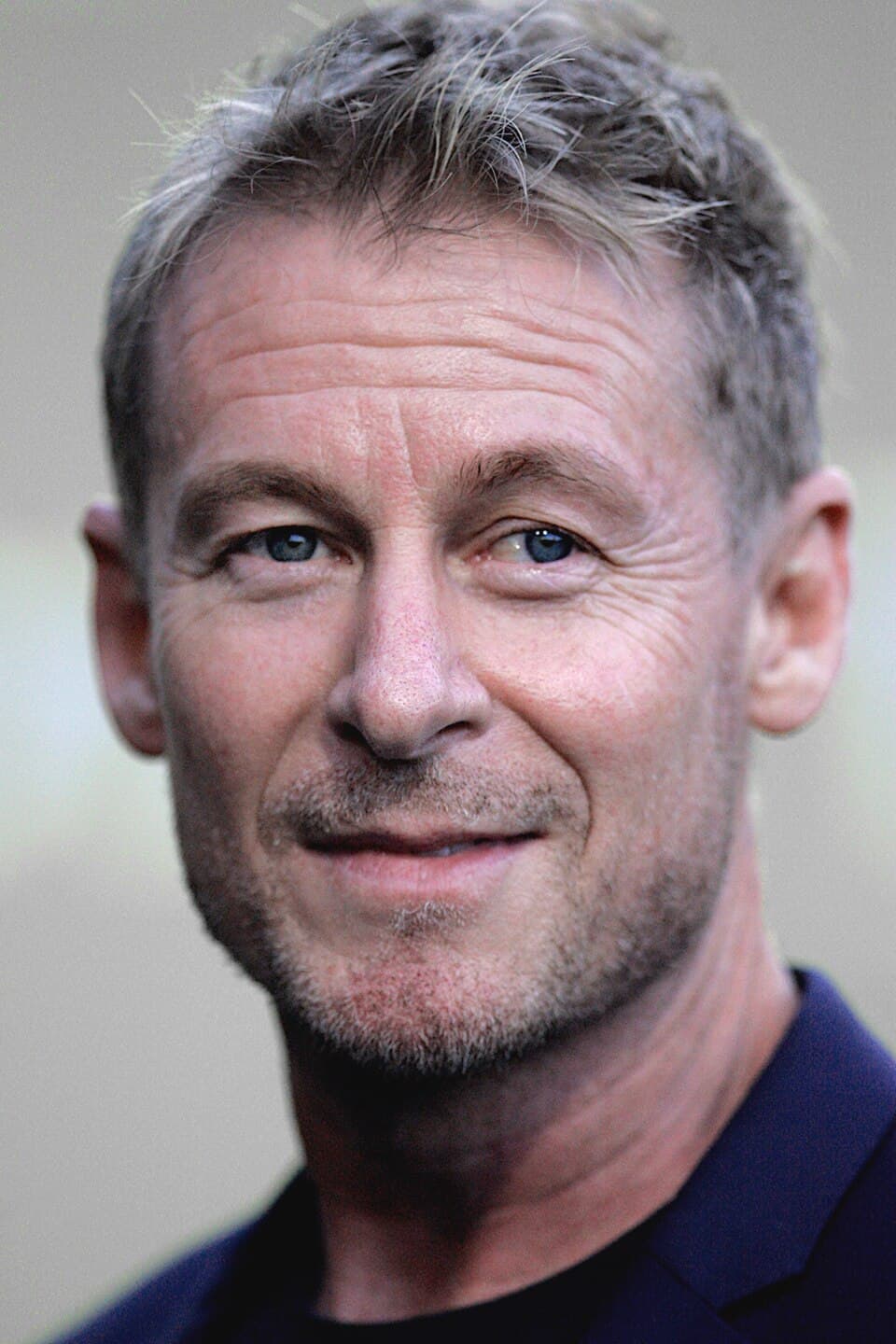
Six Australian shows worth finding while the cinemas are closed
The cinemas shut, the couch stayed, and the back catalogues on iview and Stan are deeper than you think.
Australian television in 2026 has more shows and fewer places to put them
The shows are good, the platforms are crowded, and the audience is splitting into fragments too small for any one show to own.
The best Australian TV of 2025 was scattered across too many platforms to find
The year's best shows were on six different platforms, and nobody watches all six, which means every show was somebody's blind spot.