Australian television in 2026 has more shows and fewer places to put them
The shows are good, the platforms are crowded, and the audience is splitting into fragments too small for any one show to own.
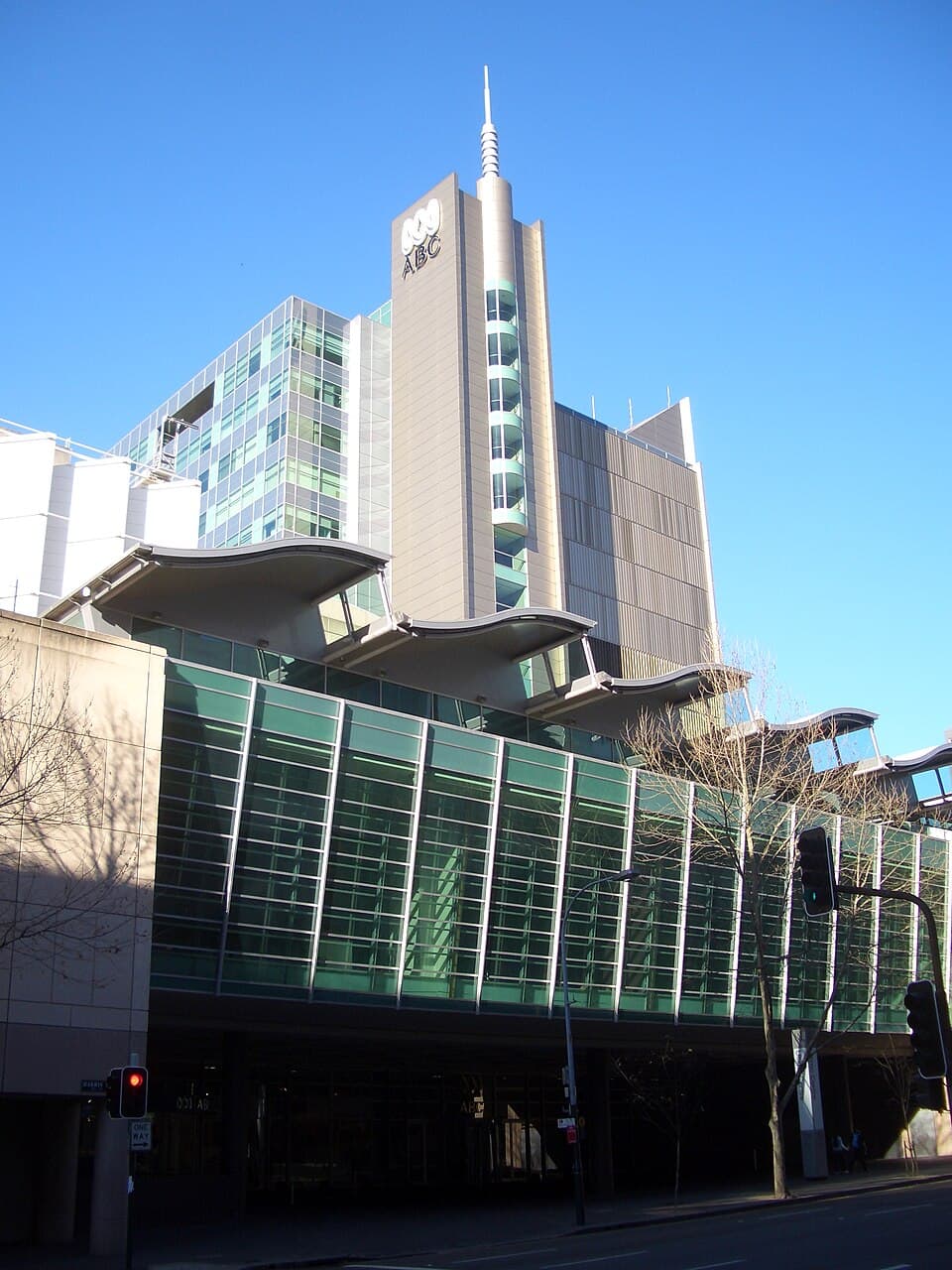
Here is the situation. There are more Australian television shows being produced in 2026 than at any point in the country’s history. The quality, on average, is higher than it was five years ago. The writing is sharper. The production values are better. The acting talent pool, which was always deep, is being used with more ambition. By any craft metric, this is a good time for Australian TV.
And almost nobody is watching any single show.
That is not quite right. People are watching. But they are watching in fragments, scattered across seven or eight platforms, and the combined audience for a well-made Australian drama in 2026 is often smaller than the audience for a mediocre Australian drama in 2016, when there were fewer shows and fewer places to find them. The paradox is real: the work is better, the visibility is worse, and the gap between the two is getting wider.
The platform sprawl
Count them. ABC iview. Stan. Binge. Paramount+. Netflix. Disney+. Amazon Prime Video. SBS On Demand. That is eight platforms, and all of them either commission or acquire Australian content. Some of them do both. The result is a landscape where an Australian viewer who wants to watch Australian drama needs, in theory, subscriptions to all eight services, which at current pricing would cost somewhere north of $120 a month. Nobody is doing that. Most people subscribe to two or three, and the shows on the other five might as well not exist for them.
This is not a problem unique to Australia, but Australia feels it more acutely than larger markets. In the US or the UK, a show on the wrong platform can still find an audience through cultural conversation, through social media, through the sheer volume of people talking about television. In Australia, the conversation is thinner. A show on Binge that does not break through in its first week has essentially no mechanism to find its audience later. There is no second chance. There is no slow burn. There is the launch, and then there is silence.
Who is commissioning what
The commissioning landscape has shifted noticeably since 2024. Stan, which was the most aggressive Australian commissioner for several years, has pulled back. It is still making shows, but the volume has decreased and the budgets have tightened. The Stan originals that defined its early identity, shows like Bump, The Tourist, Bloom, are either finished or unlikely to return, and the replacements have been slower to arrive.
Binge has moved into the space Stan vacated, quietly building a slate of original Australian drama that is, honestly, more interesting than what any other platform is doing. ABC iview continues to produce consistently good work, though its budgets are smaller and its reach is constrained by the perception (unfair but persistent) that ABC shows are for a specific demographic.
Paramount+ has been the biggest question mark. After launching with aggressive local commissioning, including several high-profile Australian originals, the platform’s global restructuring in 2025 reduced its Australian investment significantly. Several projects that were in development have stalled or been cancelled. The shows that remain are good, but the pipeline behind them has narrowed.
Netflix and Disney+ commission Australian content sporadically, usually as part of broader APAC slates, and the shows they produce tend to be designed for international audiences rather than local ones. Amazon Prime Video has been the quietest of the major platforms in Australian commissioning, though it has acquired several Australian films and series for its catalogue.
The shows nobody is watching
This is the part that is hardest to write, because the shows are genuinely good. The Artful Dodger on Stan was a period drama with more wit and visual ambition than most Australian series attempt, and it came and went without making a mark. Totally Completely Fine on Stan was a sharp, funny drama about grief and suicide prevention that deserved a bigger audience and did not get one. Boy Swallows Universe on Netflix was watched globally but the local conversation around it felt muted, as if Australians were not sure whether to claim it as theirs or let Netflix have it.
In 2026, the pattern continues. There are shows airing right now on iview and Binge that are doing work as good as anything on Australian television in the past decade, and the audiences are small enough that the shows may not survive to second seasons. The quality-visibility gap is not closing. It is widening.
The content quota and its limits
The federal content quota, which requires streaming platforms to invest a percentage of their Australian revenue in local content, has increased the volume of Australian production. That was its intent, and on that metric it has succeeded. But volume and visibility are different things. A platform can meet its quota by commissioning four low-cost reality shows and one mid-budget drama, and the drama, which is the expensive part and the culturally significant part, gets buried in a catalogue alongside content that exists primarily to fill a regulatory requirement.
The quota also does not address discoverability. A platform can commission a show, release it, meet its obligation, and do almost nothing to promote it. The show exists. The quota is satisfied. Whether anyone watches it is, from a regulatory perspective, irrelevant. This is not a failure of the policy so much as a limitation of what policy can achieve. You can mandate production. You cannot mandate attention.
Where does this leave us
Look, I do not have a solution, and I am suspicious of anyone who claims to. The structural forces driving fragmentation, too many platforms, too little cultural infrastructure for shared conversation, the algorithmic burial of anything that is not immediately popular, are not specific to Australia and are not going to reverse.
What I can say is this: if you are watching Australian television in 2026 and you feel like you are missing things, you are. Everyone is. The shows exist. They are good. They are better than they have any right to be, given the economic conditions under which they are made. And they are scattered across platforms in a way that makes it almost impossible for any single show to become the thing that everyone watches and everyone talks about. The monoculture is dead. The fragments are excellent. The fragments are also lonely.
The best Australian show of 2026 might already be airing, and you might never hear about it, and that is the situation we are in.
Rhys watches more television than is healthy and writes about it with a dryness that tips occasionally into cruelty. His favourite ABC drama is the one the ABC just cancelled, whichever that happens to be.
MORE BY RHYS TAVITA →
The best Australian TV of 2025 was scattered across too many platforms to find
The year's best shows were on six different platforms, and nobody watches all six, which means every show was somebody's blind spot.

Australian true-crime TV has run out of ways to say 'based on a true story'
Every Australian streamer has a true-crime limited series in development, and the genre is starting to eat itself.
What we watched when everything stopped
Three months into lockdown, the streaming queue has replaced the cinema queue, and the couch has replaced everything else.