Bump dropped a baby into Bankstown and did not explain itself
Stan's teen pregnancy comedy set in Western Sydney treats its multicultural cast as furniture rather than subject matter, and that is the most radical thing about it.
There is a moment in the second episode of Bump where Oly (Nathalie Morris) is sitting in a hospital bed, having just given birth to a baby she did not know she was carrying, and her mother Rosa (Claudia Karvan) is standing in the doorway making a face that contains approximately fifteen emotions, none of which the show pauses to label. The camera holds on both of them. Nobody delivers a speech. Nobody cries in the way that television characters cry when they want you to know this is the serious part. The scene ends, and the show moves on to the next problem, which is logistical rather than emotional: where is this baby going to sleep?
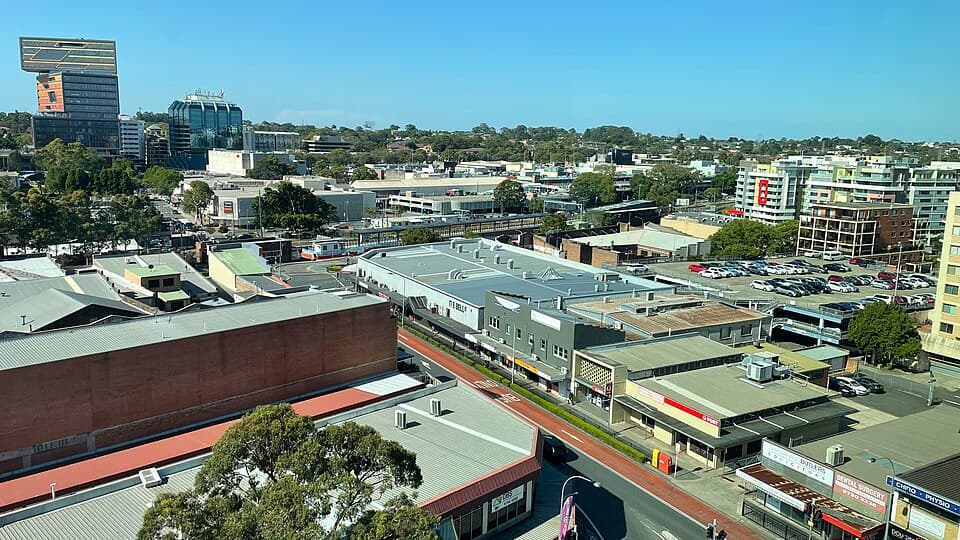
This is how Bump operates. It drops a genuinely dramatic premise into the middle of a specific suburb and then refuses to treat either the premise or the suburb as remarkable. The teen pregnancy is not a metaphor. Bankstown is not a symbol. They are just the situation and the place, and the show’s job is to follow the people who have to deal with both.
The premise that does not explain itself
Created by Claudia Karvan and produced by Roadshow Rough Diamond, Bump premiered on Stan in January 2021. The setup: Olympia “Oly” Chalmers-Davis, a high-achieving Year 12 student at a selective school in Bankstown, discovers she is pregnant only when she goes into labour. The father is Santiago “Santi” Hernandez (Carlos Sanson Jr.), a classmate she barely knows. The show then follows the two families as they navigate the aftermath.
What the show does not do is make the pregnancy into a moral question. There is no debate about whether Oly should keep the baby. She keeps it. The show is not interested in the decision. It is interested in the consequences: the sleep deprivation, the awkward co-parenting negotiations, the way Oly’s academic ambitions do not disappear just because a baby has arrived, the way Santi’s family absorbs the news with a practicality that borders on cheerful.
Multiculturalism as furniture
This is the thing I keep coming back to. Bump is set in one of the most ethnically diverse areas in Australia. Oly’s family is Anglo-Australian. Santi’s family is Chilean. Their school is full of Vietnamese, Lebanese, Filipino, and South Asian students. The show does not comment on this. It does not congratulate itself for it. Nobody delivers a monologue about the richness of multicultural Australia. The diversity is just there, the way it is just there when you walk down the street in Bankstown.
I want to be precise about why this matters, because it is easy to mistake this for laziness or avoidance. It is neither. The decision to treat multiculturalism as background rather than theme is a creative choice, and it is the right one for this show. Australian television has a long history of depicting cultural diversity as a subject to be addressed: the ethnic family that clashes with mainstream values, the immigrant story that requires explanation, the cultural practice that needs to be contextualised for a presumed Anglo audience. Bump does none of this. The Hernandez family speaks Spanish at home. This is not remarked upon. Oly’s friend Reema (Safia Arain) wears a hijab. This is not a storyline. These details exist because the characters exist, and the characters exist in Bankstown, where these details are ordinary.
The Vietnamese families at the school have kids who talk like every other kid at the school, because they are every other kid at the school. The Lebanese characters are not defined by their ethnicity. Nobody is “representing” anything. They are just people in a suburb, dealing with a situation that is specific to them but universal in its mechanics: a baby has arrived, and everyone has to adjust.
Nathalie Morris holds it together
Morris was twenty-one when she filmed the first season, playing seventeen, and her performance is the structural foundation the show is built on. Oly is smart, stubborn, frequently rude, and completely unprepared for what has happened to her. Morris plays all of this without making Oly sympathetic in the conventional sense. Oly is not warm. She is not grateful for the help she receives. She is a teenager who has been handed an adult situation and is responding the way a teenager would: with impatience, denial, and occasional bursts of competence that surprise everyone including herself.
The performance works because Morris refuses to soften it. There are scenes where Oly is genuinely unpleasant to the people around her, and the show lets her be unpleasant without punishing her for it or framing it as a flaw she needs to overcome. She is just a kid who is overwhelmed, and overwhelmed kids are not always nice.
The Western Sydney screen story
Bump sits alongside a small but growing body of screen work set in Western Sydney. The Heights (ABC, 2019-2020) attempted something similar with a housing estate setting, though it leaned more heavily into social-issue storytelling. Here Out West (2022), a collaborative feature film set across Western Sydney, tried to capture the area’s diversity through interlocking short stories. Both are worthwhile. Neither achieved what Bump achieves, which is the trick of making Western Sydney feel like a place where stories happen rather than a place that stories are about.
The distinction is important. When a show is set in the eastern suburbs or the inner city, nobody frames the location as thematic. It is just where the characters live. Western Sydney screen stories have historically been required to justify their setting, to make the suburb part of the argument. Bump treats Bankstown the way Offspring treats Fitzroy or Packed to the Rafters treats the North Shore: as geography, not sociology.
The Stan problem
And here is where it gets frustrating. Bump ran for three seasons on Stan, ending in 2023. It was well-reviewed. It built a loyal audience. It also existed behind a paywall on a platform that, at its peak, had roughly 2.4 million Australian subscribers, a fraction of the population that might have connected with the show if it had aired on free-to-air television or even on a larger streaming platform.
Stan has produced some of the best Australian television of the last five years. The Tourist, Bump, The Other Guy, Bloom. The problem is reach. A show on Stan is, by definition, a show that most Australians will never encounter. There is no channel-surfing discovery. There is no water-cooler conversation, because the water cooler requires a critical mass of viewers, and Stan’s subscriber base is too small to generate one.
Bump deserved a bigger audience. It did not get one. And the version of Australian television where a show this good, this specific, and this quietly radical can exist for three seasons and still be essentially unknown outside its subscriber base is the version of Australian television we are stuck with. The show did everything right. The infrastructure did not meet it halfway.
Rhys watches more television than is healthy and writes about it with a dryness that tips occasionally into cruelty. His favourite ABC drama is the one the ABC just cancelled, whichever that happens to be.
MORE BY RHYS TAVITA →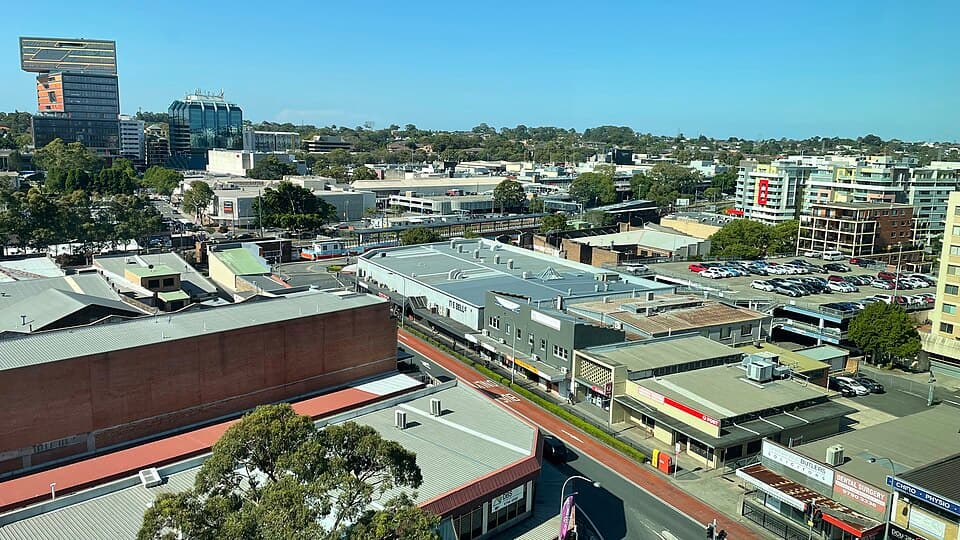
Bump is the most honest show about Western Sydney and nobody outside Bankstown knows it exists
A show about a teenage pregnancy in Bankstown should not be this funny, this specific, or this invisible to the broader Australian audience.
Stan made a great Australian road comedy and told nobody
Dylan River directed all eight episodes of a stolen-taxi comedy set in the 1980s outback, and it went out on Stan with roughly the fanfare of a software update.
Invisible Boys never puts anyone on the bus to Perth
Nicholas Verso's ten-part Stan drama refuses the one ending Australian queer coming-of-age stories always reach for, and is far better for the refusal.