The Fall Guy spent $200 million in New South Wales and left with the negatives
The biggest production ever to shoot in Australia created 1,200 local jobs and took the finished film to Universal's lot in LA.
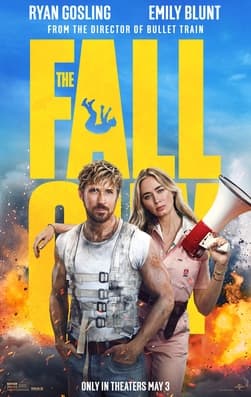
The Fall Guy cost approximately $200 million to produce. The majority of that was spent in New South Wales, making it the single largest production ever to shoot in the state. Principal photography ran from October 2022 to March 2023 at Fox Studios in Moore Park and on location across Sydney, the Blue Mountains, and regional NSW. The production employed 1,200 local crew at peak, hired 180 stunt performers, and built sets across seven stages.
The film is directed by David Leitch, produced by Universal Pictures, and stars Ryan Gosling and Emily Blunt. It is an American film, owned by an American studio, distributed through an American pipeline. When the shoot wrapped, the production assets were packed up and the edit moved to Los Angeles. New South Wales provided the labour and the landscape. Universal kept the film.
The rebate structure
The production received funding through the federal Location Incentive and the NSW Made in NSW programme. The Location Incentive provides a 16.5 per cent rebate on qualifying Australian production expenditure. Made in NSW, administered by Screen NSW, provides additional support for productions that demonstrate significant economic benefit to the state.
Neither programme’s exact contribution to The Fall Guy has been publicly disclosed. Screen NSW does not itemise rebate amounts for individual productions. However, based on the reported spend and standard rebate rates, the combined state and federal contribution is estimated by industry analysts at between $35 million and $45 million. That is public money directed toward a Universal Pictures release that will generate its box office revenue primarily in the United States, Europe, and China.
The justification is economic multiplier. Every dollar of rebate generates several dollars of local expenditure in wages, accommodation, catering, equipment hire, and construction materials. The NSW government’s own modelling puts the return at approximately $3.80 for every rebate dollar spent. This figure is contested by economists who note that multiplier studies tend to count gross activity rather than net new activity and do not subtract the productions that would have occurred without the incentive.
The Furiosa comparison
George Miller’s Furiosa: A Mad Max Saga shot in NSW across a similar period, with a reported budget of $168 million. The two productions were, for a time, competing for the same crew and the same studio space. Crew who worked on both projects have described a market where day rates spiked, availability dropped, and smaller productions either delayed or relocated interstate.
Furiosa is instructive because it is the closest thing to an Australian-owned blockbuster that exists. Miller is Australian. Kennedy Miller Mitchell is an Australian company. The film is still a Warner Bros. release, still subject to the same IP ownership structure as any other studio production, but the creative control and a portion of the backend sits with an Australian entity. That distinction does not change the economic calculus significantly, but it changes the cultural one. Furiosa is someone’s story about this place. The Fall Guy is someone’s story that happened to be shot in this place.
What 1,200 jobs looks like
The employment figure is the number the government leads with, and it is genuine. A production of this scale employs carpenters, electricians, painters, drivers, caterers, costume makers, and digital artists for months at a time. Many of those crew members are freelancers who move between productions, and a six-month booking on a major studio film represents financial stability that the local industry rarely provides.
The secondary effect is training. Junior crew working on a $200 million production gain experience with equipment, workflows, and safety standards that a $5 million Australian feature cannot offer. That experience stays in the country. The next local production that hires those crew members benefits from skills acquired on someone else’s budget.
The limitation is dependency. If the pipeline of international productions slows, whether because the dollar strengthens, another country offers a larger rebate, or a Hollywood strike shuts down development, the crew base built to service those productions has no local equivalent to absorb them. The Australian domestic production sector does not generate enough volume to employ 1,200 crew on a single project. It generates enough to employ 1,200 crew across dozens of projects, and only when all of those projects are funded, which they frequently are not.
What the state gets and what it does not
New South Wales gets jobs, expenditure, and a line in the tourism pitch about being a world-class production destination. The Fox Studios precinct benefits from utilisation rates that justify its continued operation. The supply chain benefits from demand. These are real things.
What the state does not get is ownership, revenue participation, or any claim on the finished work. When The Fall Guy opens in cinemas, no portion of the ticket price flows back to the NSW government beyond standard corporate tax obligations. The film will carry a “filmed in New South Wales” credit, and the tourism office will use behind-the-scenes footage in its campaigns, and that is the extent of the return on $35 million to $45 million in public subsidy.
The arrangement is not unique to Australia. Every jurisdiction competing for runaway production operates on the same terms. The UK gives tax relief to Marvel. New Zealand gave tax relief to Amazon. Canada gives tax relief to everyone. The question is not whether Australia should play the game. It is already playing. The question is whether anyone in government is keeping score beyond the employment spreadsheet, and the evidence so far suggests they are not.
Odette covers the business of Australian screen. Previously a financial journalist. Reads every Screen Australia annual report the week it drops. Short paragraphs, long memory, never misses a figure.
MORE BY ODETTE MALOUF →
The Location Incentive brought Hollywood to Australia and the question is who benefits
The federal government tripled the Location Incentive to $540 million, and the productions lining up are not Australian stories.
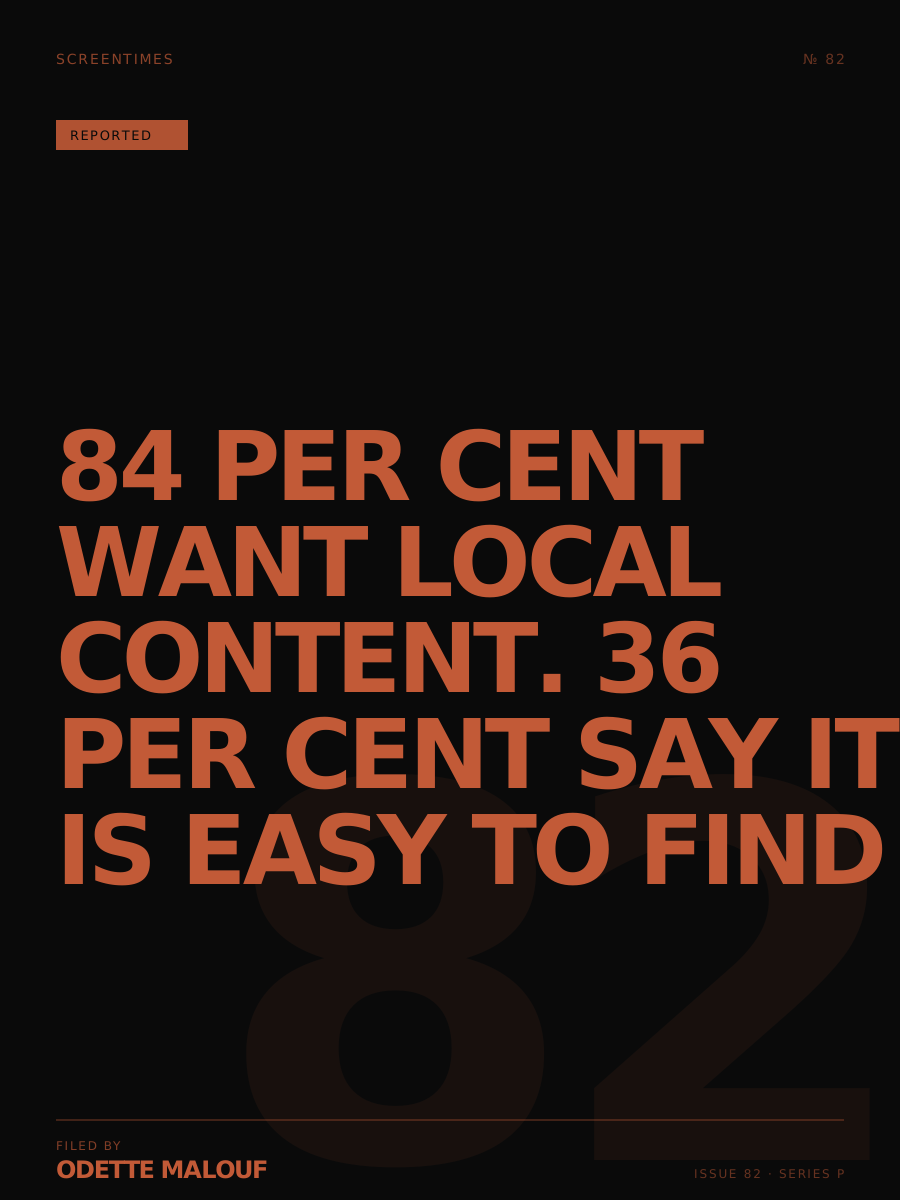
84 per cent want local content. 36 per cent say it is easy to find
Screen Australia's Screen Currency 2026 report finds strong demand for Australian screen stories and a discovery problem that no amount of production funding fixes on its own.
Screen Australia put $5.7 million across 47 documentaries, about $121,000 each
Screen Australia announced more than $5.7 million for 47 documentary projects on 2 October, and the agency's own audience research explains why it is framing the round the way it is.