MIFF 2025 sold 155,000 tickets and the maths still does not add up
Ticket sales are up 5 per cent on 2023, but sponsorship is flat and the programming budget came in under inflation.
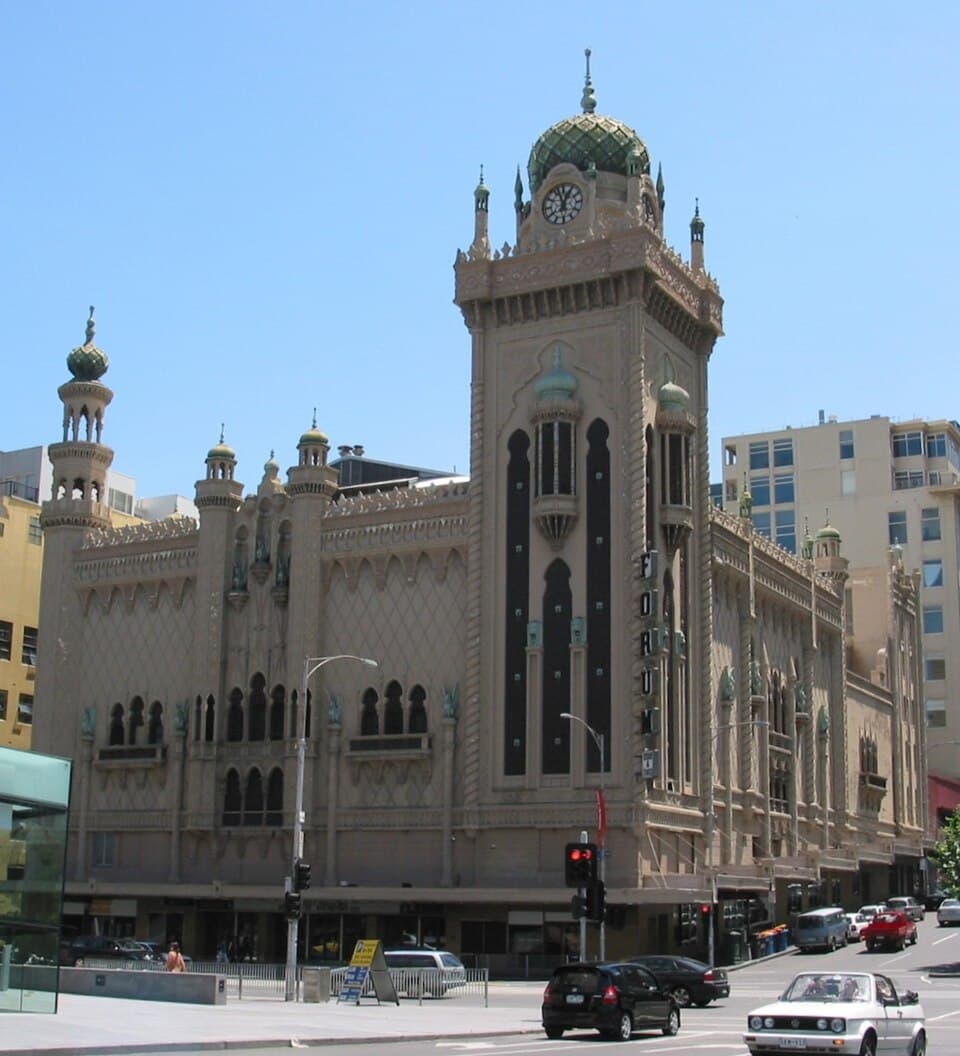
The Melbourne International Film Festival sold 155,000 tickets across its 2025 programme, up 5 per cent on the 2023 figure of 147,600. The festival ran eighteen days across eight venues. The programme included 271 features and 116 shorts from 68 countries. By any attendance measure, MIFF 2025 was a success. The problem is that attendance is not the measure that determines whether a festival survives.
The revenue picture
MIFF’s total revenue for 2025, based on figures provided by the festival and cross-referenced with its most recent annual report lodged with the ACNC, was approximately $8.2 million. Of that, ticket sales generated roughly $3.4 million, government grants (federal, state, and local) contributed $2.6 million, sponsorship delivered $1.3 million, and the remaining $900,000 came from memberships, merchandise, venue hire, and miscellaneous income.
The ticket revenue figure is strong. 155,000 tickets at an average price of $22 (a blend of standard, concession, member, and multi-pass pricing) tracks with the reported total. But ticket sales alone have never funded a festival of MIFF’s scale, and the other revenue lines are where the strain shows.
Sponsorship at $1.3 million is essentially flat on 2023 and still well below the pre-COVID figure of $1.9 million reported in the 2019 annual report. Corporate sponsors pulled back during the pandemic, and most have not returned at previous levels. The festival lost its naming rights partner in 2022 and has not replaced it. Individual sponsor agreements are shorter in duration and lower in value. The sponsorship market for cultural events in Melbourne has contracted, and MIFF is competing for a smaller pool against the Melbourne Festival, the NGV, and the Australian Centre for the Moving Image.
Government grants at $2.6 million have increased in nominal terms (up from $2.3 million in 2023), partly driven by a one-off federal allocation through Creative Australia’s festival support program. But in real terms, adjusted for inflation, the government contribution is roughly equivalent to what it was in 2019. The festival is not losing government support, but it is not gaining it either, and costs have risen faster than CPI across almost every category that matters to a film festival: venue hire, rights fees, freight, accommodation for visiting filmmakers, and insurance.
Programming within the constraint
The programming budget, which covers rights acquisition, screening fees, print and digital cinema package costs, and filmmaker travel, came in at approximately $1.4 million. In 2019, the equivalent figure was $1.6 million. Adjusted for inflation, that represents a real-terms reduction of roughly 20 per cent.
MIFF’s artistic director Al Cossar has been open about the constraints. In a pre-festival interview, he described the programming process as “building within the architecture of what’s possible.” The festival programmed fewer world premieres in 2025 than in any year since 2017. The number of films with attached guest appearances was down. The competition section, which requires filmmaker attendance, included twelve titles compared to sixteen in 2023.
None of this was visible from the audience’s side. The programme was strong, diverse, and well-curated. The opening night film sold out. The closing night gala sold out. Several sessions across the programme added extra screenings to meet demand. The audience experience of MIFF 2025 was excellent. The financial infrastructure supporting that experience was thinner than it appeared.
The volunteer question
MIFF relies on approximately 350 volunteers annually. They staff venues, manage queues, handle ticketing, support the guest programme, and run logistics. The festival estimates that volunteer labour contributes the equivalent of $600,000 to $800,000 in operational value per year, based on the number of volunteer hours and the equivalent hourly rate for paid casual staff.
This model is standard across Australian arts festivals. It is also increasingly contested. In 2024, the Media, Entertainment and Arts Alliance published a position paper arguing that arts festivals should transition toward paid models for all front-of-house and operational roles, with volunteer participation limited to mentorship and professional development programmes. MIFF’s volunteer programme does include a mentorship component, but the majority of volunteer hours are operational: scanning tickets, directing foot traffic, counting heads.
The festival’s position is that volunteering is a pathway into the industry and that many current MIFF staff, including several senior employees, began as volunteers. This is true. It is also true that the festival could not operate at its current scale without unpaid labour, and that the financial model depends on it.
What sustainable looks like
A sustainable festival model requires one of three things: significantly higher ticket prices (which reduces accessibility), significantly higher government funding (which requires political will), or significantly higher sponsorship (which requires a corporate market that does not currently exist at the necessary scale). MIFF is attempting to grow all three lines incrementally, while also developing earned revenue through year-round programming, educational initiatives, and digital content.
The 155,000 tickets are real. The audience is real. The demand is real. The question is whether demand alone is enough to sustain the infrastructure that serves it, and after MIFF 2025, the answer remains the same as it was before the festival started: not quite.

Odette covers the business of Australian screen. Previously a financial journalist. Reads every Screen Australia annual report the week it drops. Short paragraphs, long memory, never misses a figure.
MORE BY ODETTE MALOUF →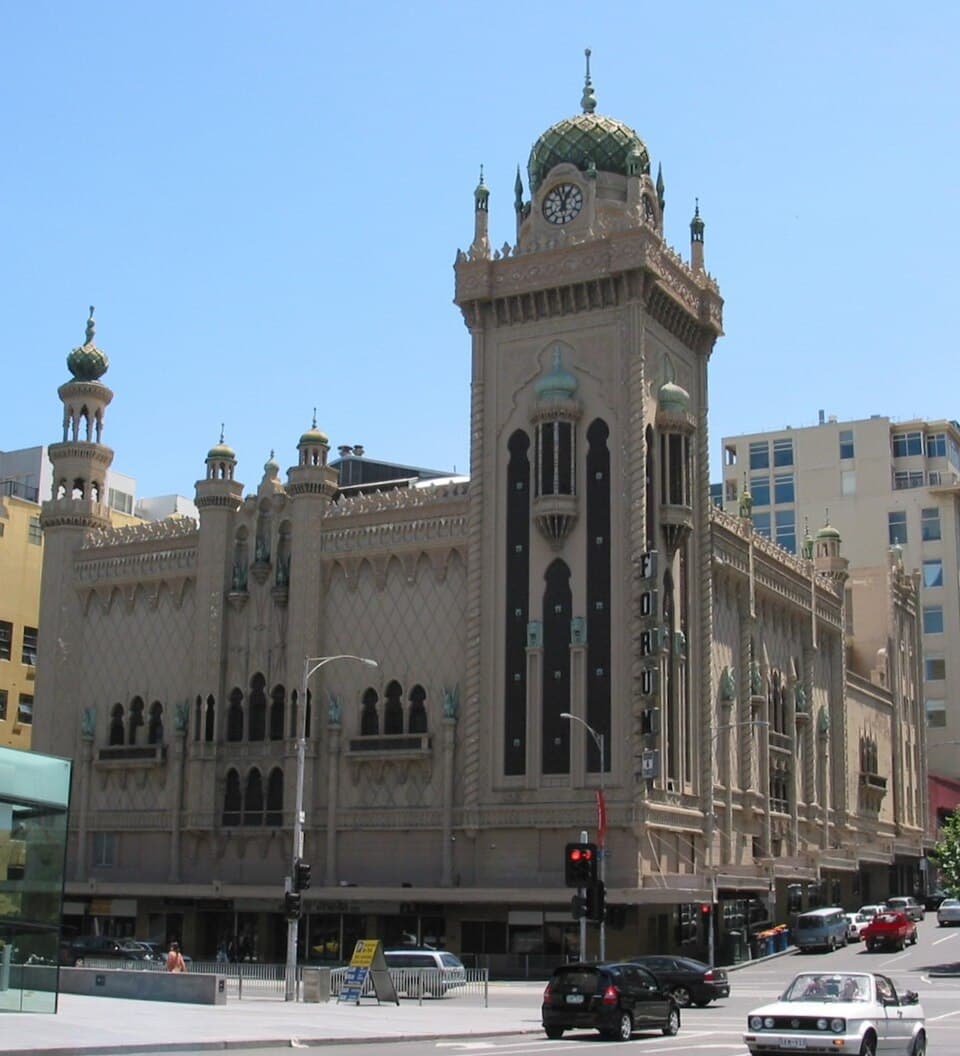
MIFF sold 148,000 tickets in 2023 and the margin was thinner than ever
The audience came back, the sponsorship did not, and the festival is running on volunteer labour and Creative Victoria grants.

Sydney Film Festival sold out its opening night and struggled to fill the rest
The State Theatre was full on night one; by day five the programme was competing with itself and the weather.
Screen Australia's mid-year data shows a pipeline with gaps in the middle
The top and bottom of the pipeline are functioning; the mid-budget features that sustain careers are still missing.