MIFF sold 148,000 tickets in 2023 and the margin was thinner than ever
The audience came back, the sponsorship did not, and the festival is running on volunteer labour and Creative Victoria grants.
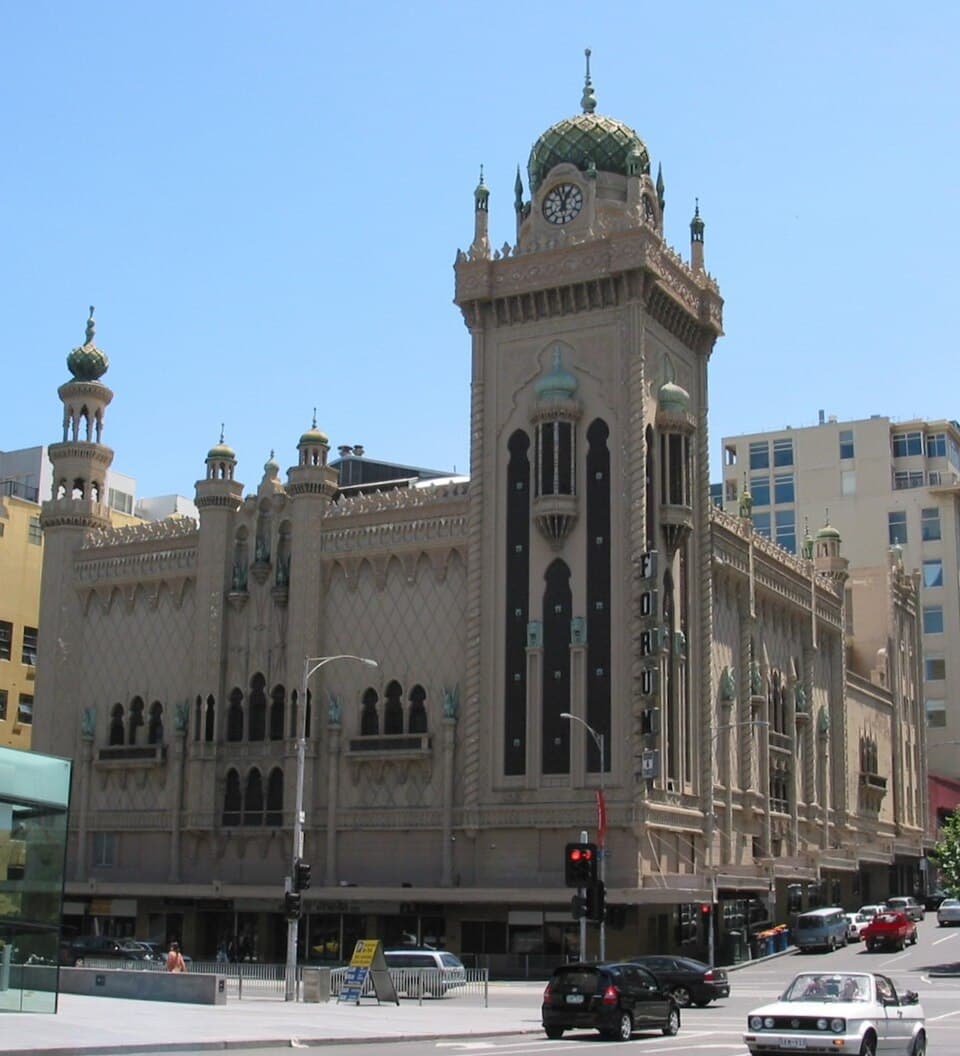
The headline number is 148,000 tickets sold across eighteen days. MIFF’s 2023 edition was, by attendance, a recovery. The 2019 figure was 169,000. The 2022 figure, the first full post-lockdown festival, was 121,000. So the trajectory is upward. The audience is returning. This is the number the festival will put in its annual report and its funding acquittals and its sponsorship decks, and it is a real number, and it is not the whole story.
The whole story is in the budget. MIFF’s total expenditure for the 2023 festival was approximately $7.8 million. Its total revenue, including ticket sales, sponsorship, government grants, and membership fees, was approximately $8.1 million. The surplus, such as it is, was around $300,000, which sounds healthy until you consider that this is a festival that employs a permanent staff of roughly twenty people year-round and scales to over 300 during the festival itself, of whom approximately 180 are volunteers.
Where the money comes from
Per the financial statements filed with ACNC (MIFF is a registered charity), the revenue breakdown for the 2023 festival looks roughly like this. Ticket sales and passes accounted for about $3.2 million. Government funding, primarily from Creative Victoria with additional support from Screen Australia, provided approximately $2.4 million. Sponsorship and partnerships contributed around $1.6 million. The remainder came from membership fees, merchandise, and sundry income.
The important shift is in the sponsorship line. In 2019, sponsorship revenue was approximately $2.3 million. In 2023, it was $1.6 million. That is a decline of roughly thirty per cent, and it has not recovered at the rate the other revenue lines have. The audience came back. The corporate money did not.
The reasons are not mysterious. Corporate sponsorship budgets contracted during COVID and were reallocated toward digital activations that offer clearer metrics than a logo on a festival programme. The companies that previously sponsored MIFF at the $100,000-plus level have not returned to that level. Some have dropped to $50,000. Some have not returned at all. The festival has replaced some of this with smaller partnerships and in-kind deals, but in-kind deals do not pay venue hire.
The volunteer question
MIFF runs on volunteers. This is not a secret and it is not a scandal, but it is worth quantifying. Approximately 180 volunteers work across the festival, covering front-of-house, guest services, and logistics roles. If you costed this labour at the casual hospitality award rate of approximately $28 per hour and assumed an average of 40 hours per volunteer across the festival period, the imputed cost would be roughly $200,000. That is a significant portion of the festival’s operating surplus.
The volunteer model is standard across Australian arts festivals. Adelaide, Sydney, and Brisbane film festivals all operate similarly. But it creates a structural dependency on free labour that constrains what the festival can demand of its workforce and who that workforce is. Volunteering for eighteen days during a Melbourne winter is available to people who do not need to earn an income during those eighteen days. This is a selection filter that the festival acknowledges but cannot easily address within its current funding model.
How Sydney does it differently
Sydney Film Festival, which ran in June, offers a useful comparison. SFF’s budget is slightly smaller than MIFF’s but its funding model is weighted differently. SFF receives a higher proportion of its revenue from government sources (approximately 38 per cent, compared to MIFF’s 30 per cent) and a lower proportion from ticket sales. SFF also benefits from its relationship with the State Theatre, a single large venue that provides programming coherence and reduces the logistical overhead of running screenings across multiple sites.
MIFF screens at over a dozen venues across Melbourne. This geographic spread is part of its identity but it is also expensive. Venue hire, projection equipment, and staffing for each location add costs that a single-venue festival does not carry. The multi-venue model creates a sense of citywide event, which audiences value, but it does so at a per-screening cost that is significantly higher than the single-venue alternative.
What streaming changed
The festival’s programming team faces a challenge that did not exist a decade ago. A significant proportion of MIFF’s programme consists of international titles that will be available on streaming platforms within weeks or months of their festival screening. The audience knows this. The calculus of whether to pay $24 for a festival ticket to see a film that will be on MUBI in October is different from the calculus of paying $24 to see a film that might never screen in Australia again.
MIFF has responded by increasing its investment in Australian premieres, retrospective programmes, and event screenings with filmmaker Q&As, all categories where the festival offers something that streaming cannot replicate. This strategy is sound but it is also more expensive than simply licensing international titles, which further pressures the margin.
The arithmetic that does not change
The fundamental equation is this: MIFF needs approximately $8 million per year to operate. Ticket sales can provide about $3 million of that. Government grants provide about $2.4 million. The remaining $2.6 million has to come from sponsorship, partnerships, and other commercial activity, and that $2.6 million is the number that has been hardest to hit since 2020.
If sponsorship does not recover to pre-COVID levels, the festival faces a structural gap that can only be closed by increasing government funding, raising ticket prices, or reducing the scale of the programme. All three options have costs. Higher government funding depends on political will that is not guaranteed beyond the current Creative Victoria funding cycle. Higher ticket prices risk pricing out the younger audience the festival needs to cultivate. A smaller programme risks reducing the festival’s profile and, with it, its sponsorship appeal.
The audience is there. The money is tight. The volunteers are willing. The margin is thinner than ever, and nobody involved in running the festival expects that to change soon.

Odette covers the business of Australian screen. Previously a financial journalist. Reads every Screen Australia annual report the week it drops. Short paragraphs, long memory, never misses a figure.
MORE BY ODETTE MALOUF →
MIFF 2025 sold 155,000 tickets and the maths still does not add up
Ticket sales are up 5 per cent on 2023, but sponsorship is flat and the programming budget came in under inflation.

Sydney Film Festival sold out its opening night and struggled to fill the rest
The State Theatre was full on night one; by day five the programme was competing with itself and the weather.
MIFF 2024 programmed for argument and the audience showed up ready
The 2024 programme leaned harder into difficulty than any MIFF in recent memory, and the sessions were fuller for it.