MIFF 2024 programmed for argument and the audience showed up ready
The 2024 programme leaned harder into difficulty than any MIFF in recent memory, and the sessions were fuller for it.
The Melbourne International Film Festival has always had a combative streak, but the 2024 programme felt like it was testing the proposition deliberately: what happens if you schedule almost nothing that goes down easy? The answer, across twelve days and a surprising number of sold-out sessions, was that Melbourne audiences are more willing to fight with a film than the industry tends to assume. The sessions I attended were full. The foyer conversations were loud. People disagreed with each other and with the films they had just seen, and they stayed to do it rather than disappearing into the rain.
I should say at the outset that I did not see everything. Nobody sees everything at MIFF, and anybody who claims otherwise is either lying or attending on a schedule that would violate occupational health standards. I saw twenty-three features across nine days. I saw some shorts. I missed things I will regret missing. This is a notebook, not a survey.
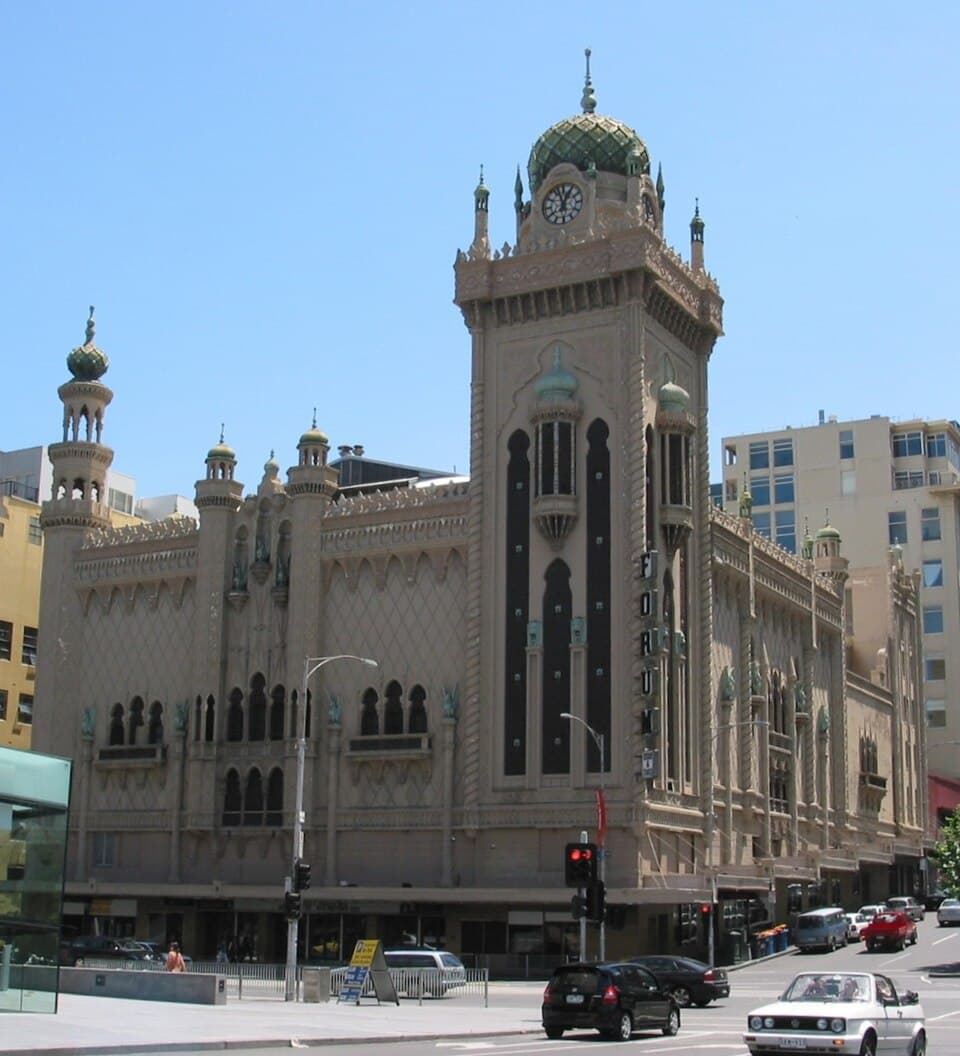
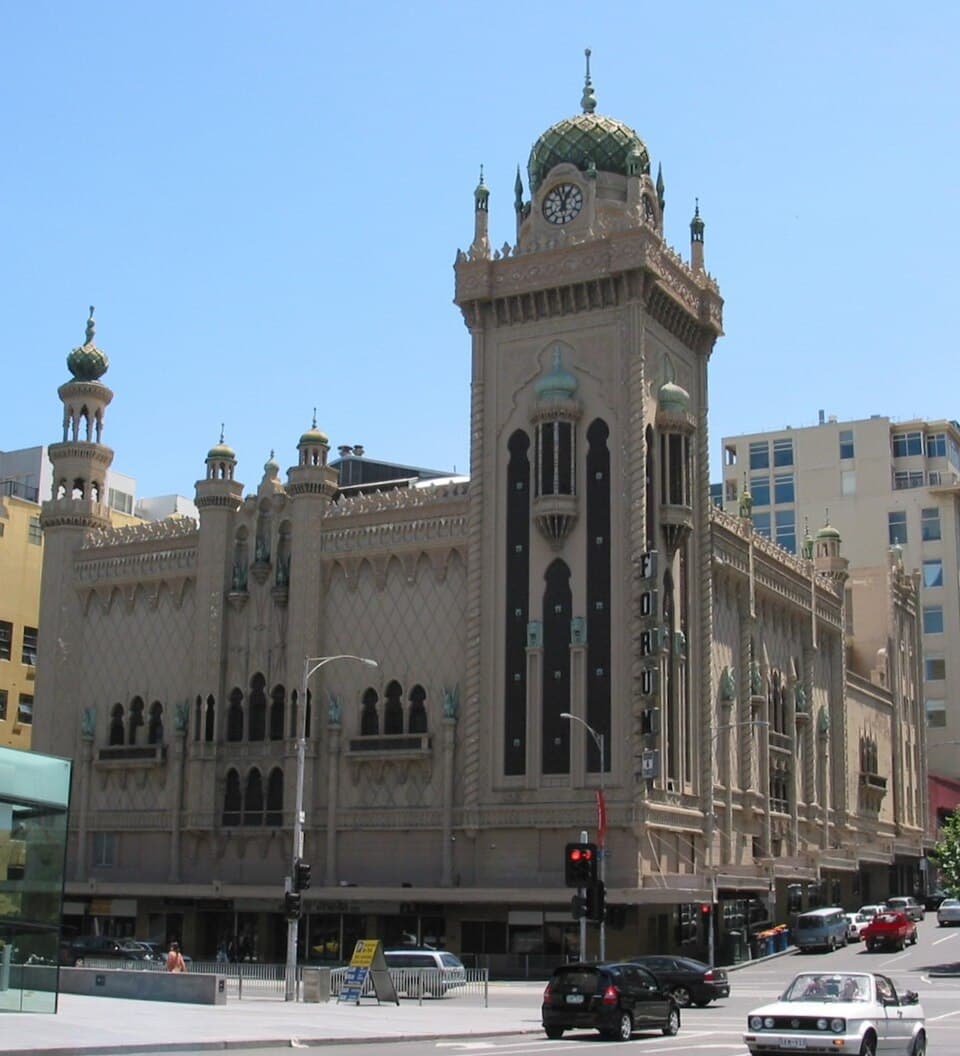
The festival opened with Memoir of a Snail, which I will write about at length elsewhere, and the opening-night screening at the Forum was the warmest room I stood in all festival. Adam Elliot was present and visibly moved, and the audience gave the film a response that felt less like applause and more like gratitude. But the real character of MIFF 2024 did not reveal itself until the second day, when the programme started showing its teeth.
The difficult centre
MIFF artistic director Al Cossar built this year’s programme around a concentration of films that refused to meet the audience halfway. Mohammad Rasoulof’s The Seed of the Sacred Fig, which had been smuggled out of Iran after the director fled the country, screened to a packed house at ACMI and left the room in a state I can only describe as stunned quiet. The film is about a family fracturing under the pressure of the state, and Rasoulof structures it so that the political and the domestic are not metaphors for each other but the same thing, experienced at different scales. It is nearly three hours long and not a minute of it is wasted.
Brady Corbet’s The Brutalist, which screened in its full 215-minute cut with an intermission, was the most physically demanding experience of the festival. Adrien Brody plays a Hungarian architect who emigrates to America after the war, and the film uses its enormous runtime not to tell more story but to slow time down to the pace of labour, of building, of waiting for a country to decide whether it wants you. The intermission was necessary. The second half earned it. I have not stopped thinking about the final shot.
Payal Kapadia’s All We Imagine as Light was the quietest revelation of the programme. Two nurses in Mumbai, one older and losing her marriage to distance, one younger and unable to begin a relationship across caste lines, and Kapadia films their lives with a naturalism so precise it stops feeling like a style and starts feeling like proximity. The film won the Grand Prix at Cannes and it deserved to, and watching it in a Tuesday afternoon session at Hoyts Melbourne Central with forty other people felt like a privilege that had been misallocated, like something that good should not have been that easy to get into.
The Australian programme
The local selections were uneven, which is not a complaint but an observation. Unevenness is the natural condition of a national programme at a festival this size, and the alternative, a carefully curated handful of guaranteed successes, would be worse because it would tell you nothing about where Australian filmmaking is actually at.
Sian Heder’s adaptation work continues to draw attention to the question of how Australian stories get told by international directors, and several of the shorts programmes contained first and second films by directors who are clearly still working out what they want to say but who are saying it in interesting ways. I was struck by the number of Australian documentaries that dealt with institutional failure, not as expose but as lived experience, films about people who are inside systems that are failing them and who know it and continue anyway because the alternative is worse.
The retrospective programme this year centred on Peter Weir, and watching Picnic at Hanging Rock on 35mm at ACMI was a reminder that some films do not age because they were never of their time in the first place. The print was beautiful. The audience was young, much younger than I expected, and they watched in the kind of silence that only happens when a film is genuinely holding a room.
The physical festival
There is something worth saying about the experience of MIFF in 2024 as opposed to MIFF in 2021 or 2022, and it is this: the hybrid model is effectively dead. There were online screenings available for some titles, but the festival’s centre of gravity was back in the cinemas, back in the queues, back in the foyer conversations and the rushed dinners between sessions and the walk from ACMI to Hoyts in weather that could not decide what it was doing. This matters. It matters because the festival experience is not just the films but the accumulation of films, the way one screening bleeds into the next, the way a conversation about a film you saw at 11am changes how you watch the film you see at 4pm.
What stayed
Three images from MIFF 2024 that I am still carrying. The architect’s hands in The Brutalist, drawing lines that will become a building that will become a monument to someone else’s vanity. The nurses walking through Mumbai at night in All We Imagine as Light, the city behind them a blur of warm light. And Grace Pudel’s flat in Memoir of a Snail, filled to bursting with porcelain snails, each one a tiny refusal to let go of something the world has already taken.
I did not see a film at MIFF 2024 that I would call perfect. I saw several that I would call necessary, and the difference between those two categories is more useful than most critical vocabulary allows. A perfect film gives you nothing to argue with. A necessary film gives you everything to argue about. This year’s programme understood the distinction, and it programmed accordingly, and the audience, to its credit, showed up ready.
The festival ended on a Sunday, and I flew back to Sydney on the Monday, and on the plane I started writing notes for this piece and found that I had more to say than I had room to say it in. That is the sign of a programme that worked. Not that every film was good, but that every film was chosen with intention, and the intentions added up to something larger than any individual screening. MIFF 2024 was a festival that trusted its audience, and the audience, soaked and opinionated and slightly overtired, justified the trust.
Bronte writes long-form criticism of Australian cinema and the international art films that feed into it. She was on the ground at Cannes in 2019 and has not entirely forgiven the festival for 2020. Patient with slow films; impatient with tidy ones.
MORE BY BRONTE HAUGHEY →
MIFF went hybrid in 2021 and discovered what a festival cannot stream
The 2021 festival split itself between cinemas and living rooms, and the living rooms lost.
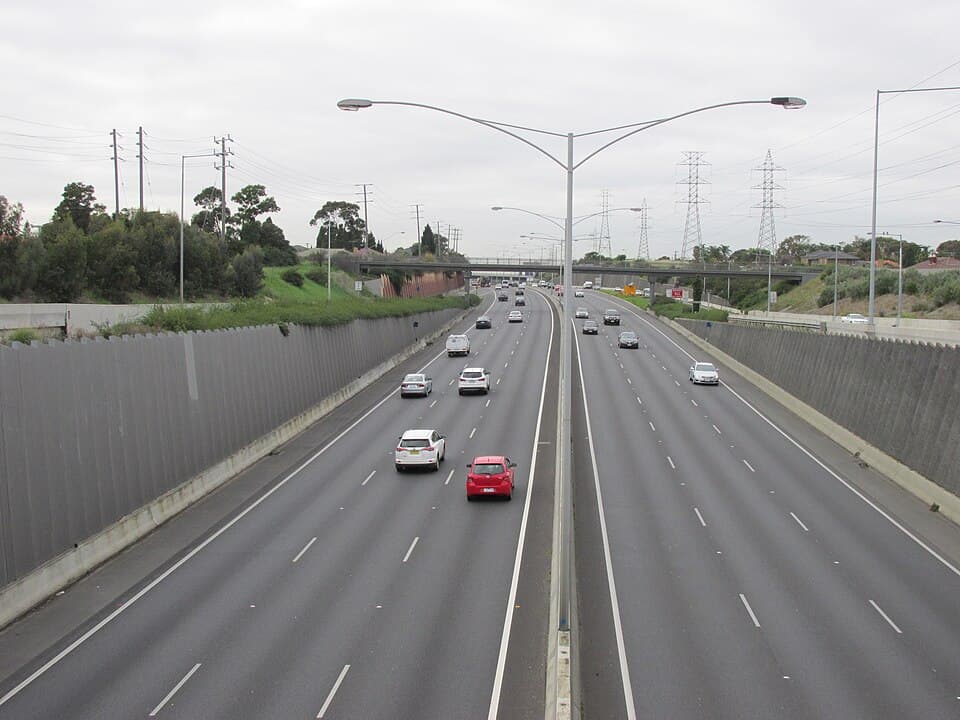
The Plains watches a man drive home from work for three hours and earns every minute
David Easteal bolted a camera to a dashboard and recorded six months of a suburban commute, and the result is the most radical Australian film of the decade.
MIFF sold 148,000 tickets in 2023 and the margin was thinner than ever
The audience came back, the sponsorship did not, and the festival is running on volunteer labour and Creative Victoria grants.