Sydney Film Festival sold out its opening night and struggled to fill the rest
The State Theatre was full on night one; by day five the programme was competing with itself and the weather.
The 71st Sydney Film Festival opened on 5 June 2024 to a sold-out State Theatre. The closing night, twelve days later, was also full. What happened between those two events is the more instructive story.
SFF programmed 256 films across its main slate and sidebar programmes. The opening night film played to approximately 2,000 people. The festival’s own reporting puts total attendance for the 2024 edition at around 130,000 across all screenings and events, a figure that includes free outdoor screenings and industry sessions. Ticketed cinema attendance, the number that matters for revenue, is not publicly broken out.
The mid-festival dip
Festival staff and regular attendees describe a pattern that has been consistent for several years. Opening night sells. Closing night sells. The weekend sessions, particularly Saturday evening screenings at the State Theatre, do well. Weekday daytime sessions in the smaller venues struggle. By day five of a twelve-day programme, audience energy has visibly thinned.
This is partly structural. SFF runs in June, which is winter in Sydney. Evening sessions mean walking to a cinema in the dark and the cold. Daytime sessions mean taking time off work. The festival’s geographic spread across multiple venues in the CBD and inner west adds transit friction. A committed attendee might see three films in a day, but the logistics of moving between the State Theatre, Event Cinemas George Street, and Dendy Newtown inside a five-hour window are not trivial, particularly when the programme guide runs to 200 pages and requires genuine effort to navigate.
The weather factor is measurable. SFF’s own data from prior years shows a correlation between rainfall days during the festival and single-ticket sales for non-gala sessions. In 2024, Sydney recorded rain on five of the twelve festival days. Those days corresponded with the lowest-attended non-free sessions.
Event cinema versus programmed cinema
The attendance pattern reveals a gap that is widening across the festival circuit, not just in Sydney. Opening and closing nights, premieres with talent in attendance, special events with Q&A sessions: these sell. They are events. People attend them the way they attend a concert or a theatre opening, for the occasion as much as the content.
Programmed screenings of films without attached events sell differently. A Tuesday afternoon screening of a Romanian documentary at Dendy Newtown is competing against the same audience’s ability to watch a comparable film on MUBI from their couch in two months. The festival’s value proposition for that screening is: see it first, see it on a big screen, see it with an audience. For a committed cinephile that proposition holds. For the broader ticket-buying public it does not, and the broader public is where the revenue is.
The sponsorship model
SFF operates on a hybrid funding model: ticket revenue, government grants (principally from Screen NSW and Create NSW), corporate sponsorship, and philanthropic donations. The festival does not publish a granular financial breakdown, but its annual reports indicate that sponsorship and grants together account for roughly half of operating revenue.
This model is stable but sensitive to attendance. Sponsors attach value to audience numbers and media coverage. A sold-out opening night generates coverage. A half-full Wednesday matinee does not. The risk is that sponsorship decisions are increasingly indexed to the event screenings rather than the programme as a whole, which pushes the festival toward programming more galas and fewer deep-catalogue slots.
MIFF, by comparison, runs in August and programmes fewer total films across a shorter window, which concentrates audience attention and reduces the mid-festival attrition that SFF experiences. MIFF also benefits from Melbourne’s more centralised cinema geography: most screenings happen within walking distance of each other in the CBD. The logistical friction is lower, and the per-session attendance figures are reportedly more consistent across the run.
What the numbers say about the audience
SFF’s audience is loyal and ageing. The festival’s own survey data, summarised in its annual report, shows a median attendee age that has crept upward over the past decade. Younger audiences attend opening and closing nights and special events. They are less represented at midweek programmed screenings. This tracks with broader exhibition data: under-35 audiences attend cinemas for events (blockbuster openings, special screenings, social occasions) and consume everything else at home.
The festival has made efforts to address this. Student pricing, late-night genre programming, and partnerships with film schools are all visible in the 2024 programme. Whether these initiatives are moving the attendance needle is unclear. The festival does not publish age-segmented ticket data.
The question for 2025
SFF is not in crisis. It is a well-run festival with strong institutional support, a dedicated audience, and a programme that consistently surfaces good work. The question is whether a twelve-day, 256-film festival in winter is the right shape for the audience it currently has, or whether the format is optimised for an audience that has been gradually shrinking for a decade.
Shorter festivals with tighter programmes generate higher per-session attendance. Longer festivals with expansive programmes generate higher total attendance but lower average occupancy. SFF has historically chosen breadth. The attendance data from 2024 suggests that choice is producing diminishing returns in the middle of the run, where the programme is rich and the seats are empty.
Odette covers the business of Australian screen. Previously a financial journalist. Reads every Screen Australia annual report the week it drops. Short paragraphs, long memory, never misses a figure.
MORE BY ODETTE MALOUF →
Sydney Film Festival 2022 sold out the State Theatre and struggled to fill everything else
The gala screenings were full, the mid-afternoon documentary sessions were not, and the gap tells you where the audience is willing to spend.
MIFF 2025 sold 155,000 tickets and the maths still does not add up
Ticket sales are up 5 per cent on 2023, but sponsorship is flat and the programming budget came in under inflation.
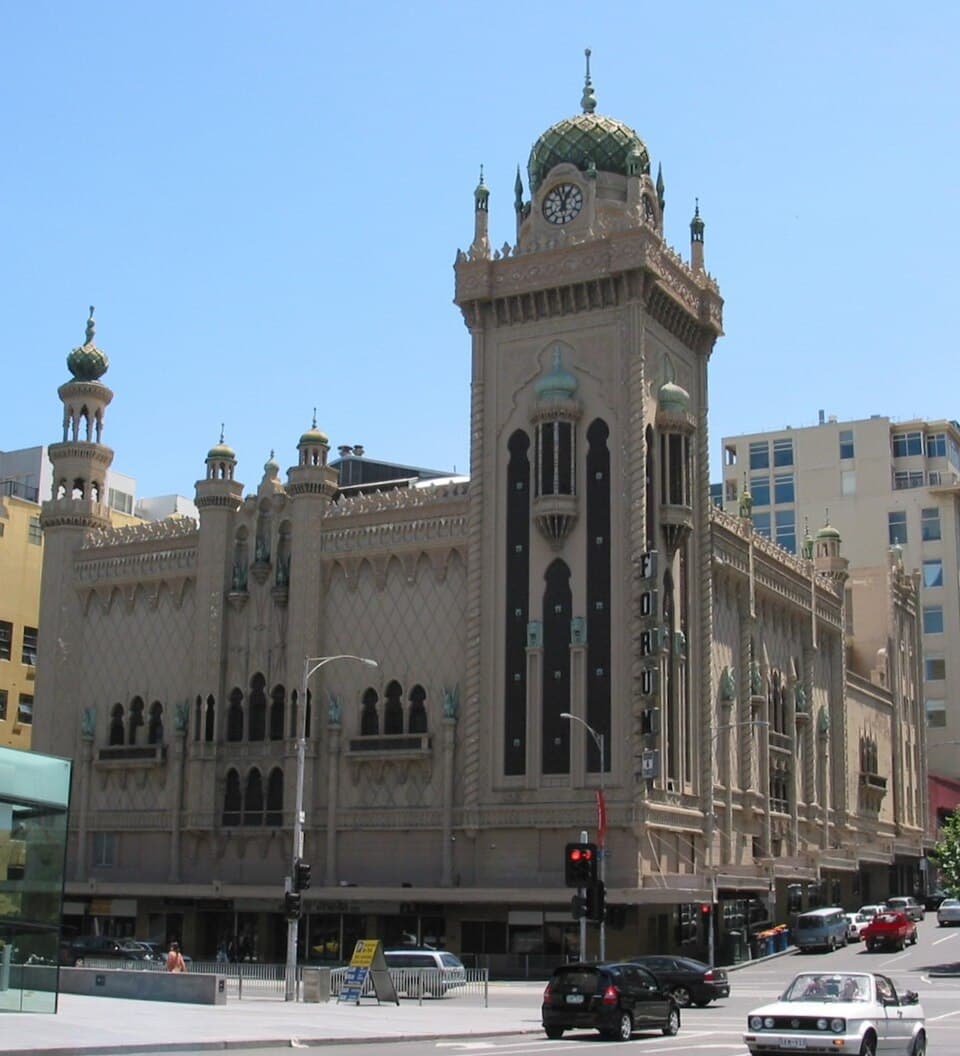
MIFF sold 148,000 tickets in 2023 and the margin was thinner than ever
The audience came back, the sponsorship did not, and the festival is running on volunteer labour and Creative Victoria grants.