Screen Australia's mid-year data shows a pipeline with gaps in the middle
The top and bottom of the pipeline are functioning; the mid-budget features that sustain careers are still missing.
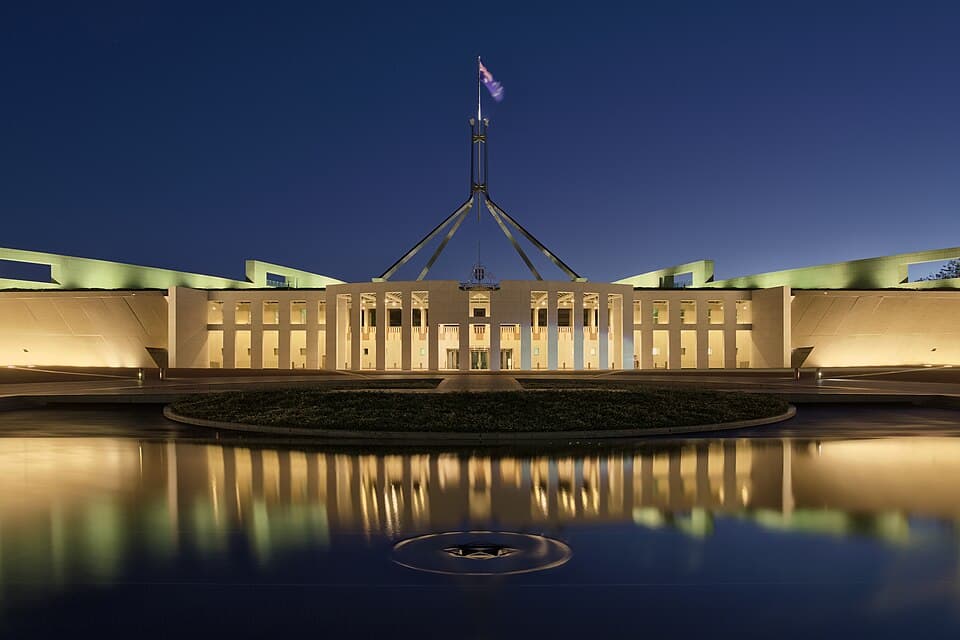
Screen Australia released its mid-year production data in August 2025, and the shape of the pipeline is now clear enough to describe in a sentence: the top is busy, the bottom is active, and the middle is thin. That sentence has been approximately true for five years. The data confirms it is not correcting.
The top of the pipeline is international production. Location Incentive-supported projects accounted for $1.4 billion in production expenditure in the 2024-25 financial year, a figure that includes several large-scale series and two studio features currently in production in New South Wales and Queensland. Employment figures for crew on these projects remain strong. The soundstages in Sydney and on the Gold Coast are booked. By production-expenditure metrics, the Australian screen industry is functioning well.
The bottom of the pipeline is first features and micro-budget development. Screen Australia’s development funding in 2024-25 supported 42 feature projects at budgets below $1 million. The agency’s Generate programme, which targets emerging filmmakers, funded 18 projects. State agencies added further development support. The entry point for new directors exists and is reasonably well-funded relative to historical norms.
The gap in the middle
The mid-budget Australian feature, defined here as a production budgeted between $3 million and $8 million, is the category under pressure. In the 2024-25 financial year, Screen Australia’s data shows nine features in this budget range entered production. Five years ago, in 2019-20, the equivalent figure was seventeen. The decline is not sudden. It is a steady contraction that has been visible in the data since at least 2018, interrupted briefly by a post-COVID production surge in 2021-22 that temporarily inflated the numbers before the underlying trend reasserted itself.
Nine features is not zero. Films are still being made in this range. But nine is a small number when set against the size of the directing and producing cohort that depends on mid-budget features for career continuity. Australia produces approximately 25 to 30 narrative features per year across all budget levels. If nine of those sit in the $3-8 million range, and a proportion of those nine are co-productions with significant overseas creative involvement, the number of purely domestic mid-budget features available to Australian directors in any given year is closer to five or six.
The career problem
The practical consequence of a thin middle is a broken career pathway. An emerging director can make a first feature at low budget with Screen Australia development support, state agency co-investment, and a combination of the Producer Offset and private equity. That first film might screen at a festival, receive critical attention, and establish the director as someone with potential. The second and third films are where the problem begins.
A director who has made a well-received debut at $800,000 needs a second film at $3-5 million to demonstrate they can work at scale, manage a larger crew, and deliver a commercially viable product. That second film is the one that is not getting financed. The gap between a micro-budget debut and a Location Incentive blockbuster is vast, and the stepping stones that used to exist in the middle have been eroded by a combination of factors: declining theatrical revenue for mid-budget Australian films, reduced appetite from domestic distributors, and a streaming market that commissions original content but on terms that do not always support the same career-development function.
The result is a cohort of directors who make a strong first film and then wait three to five years for a second opportunity, if it comes at all. Some move to television. Some take international co-production work that removes them from the Australian industry. Some leave the industry entirely. The pipeline produces talent at the entry level and employs talent at the top level. The middle, where careers are built and sustained, is where the system is failing.
The structural question
The economics are legible. A $5 million Australian drama needs to earn approximately $2.5 million at the domestic box office to be commercially viable after distributor fees and exhibitor splits. In 2024, three Australian films crossed that threshold. Streaming acquisitions for mid-budget Australian features typically return between $200,000 and $600,000, which does not close the financing gap on its own.
The Location Incentive solves a different problem. It brings foreign production expenditure to Australia, employs crews, and keeps facilities operational. It does not finance Australian stories at mid-budget levels. The Producer Offset, at 40 per cent for features, is a significant contribution but requires the remaining 60 per cent to come from somewhere, and that somewhere has contracted.
Screen Australia’s mid-year data is useful because it describes what is being produced. The more important question is what is not being produced: the second and third films of directors who showed promise, the mid-budget features that sustain careers, and the projects that sit in the range where Australian cinema has historically done its most interesting work. The pipeline has a top and a bottom. It needs a middle.
Odette covers the business of Australian screen. Previously a financial journalist. Reads every Screen Australia annual report the week it drops. Short paragraphs, long memory, never misses a figure.
MORE BY ODETTE MALOUF →
Screen Australia funded 112 development projects in 2025 and most will never be made
The development fund is the widest part of the funnel and the least visible, and the conversion rate tells the real story.

The 2021 production pipeline closed with $1.8 billion in activity and a crew shortage
Record spending met a workforce that had spent eighteen months doing something else, and the gap showed.
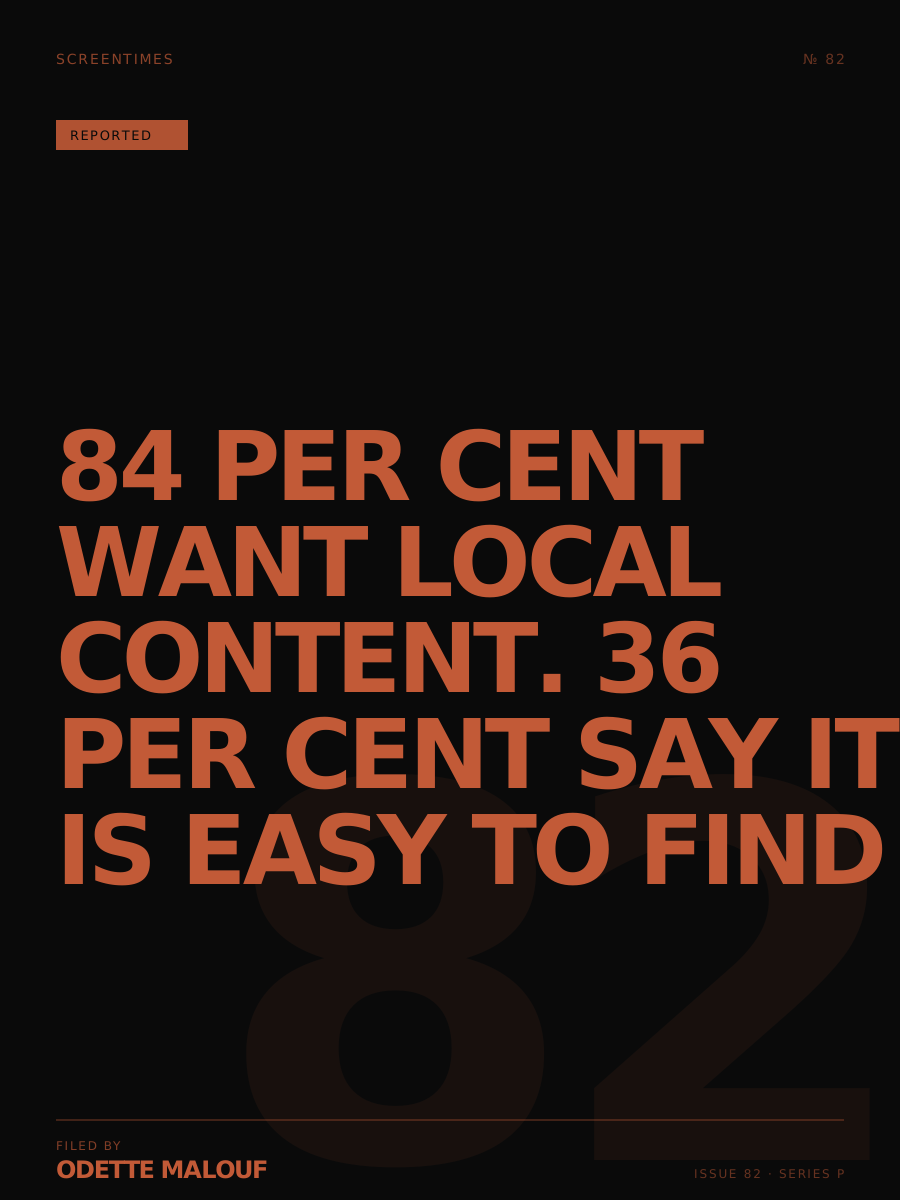
84 per cent want local content. 36 per cent say it is easy to find
Screen Australia's Screen Currency 2026 report finds strong demand for Australian screen stories and a discovery problem that no amount of production funding fixes on its own.