George Miller made a film about storytelling and the audience wanted another car chase
Miller's most personal film is also his most ignored, and the distance between the two says more about the audience than the director.
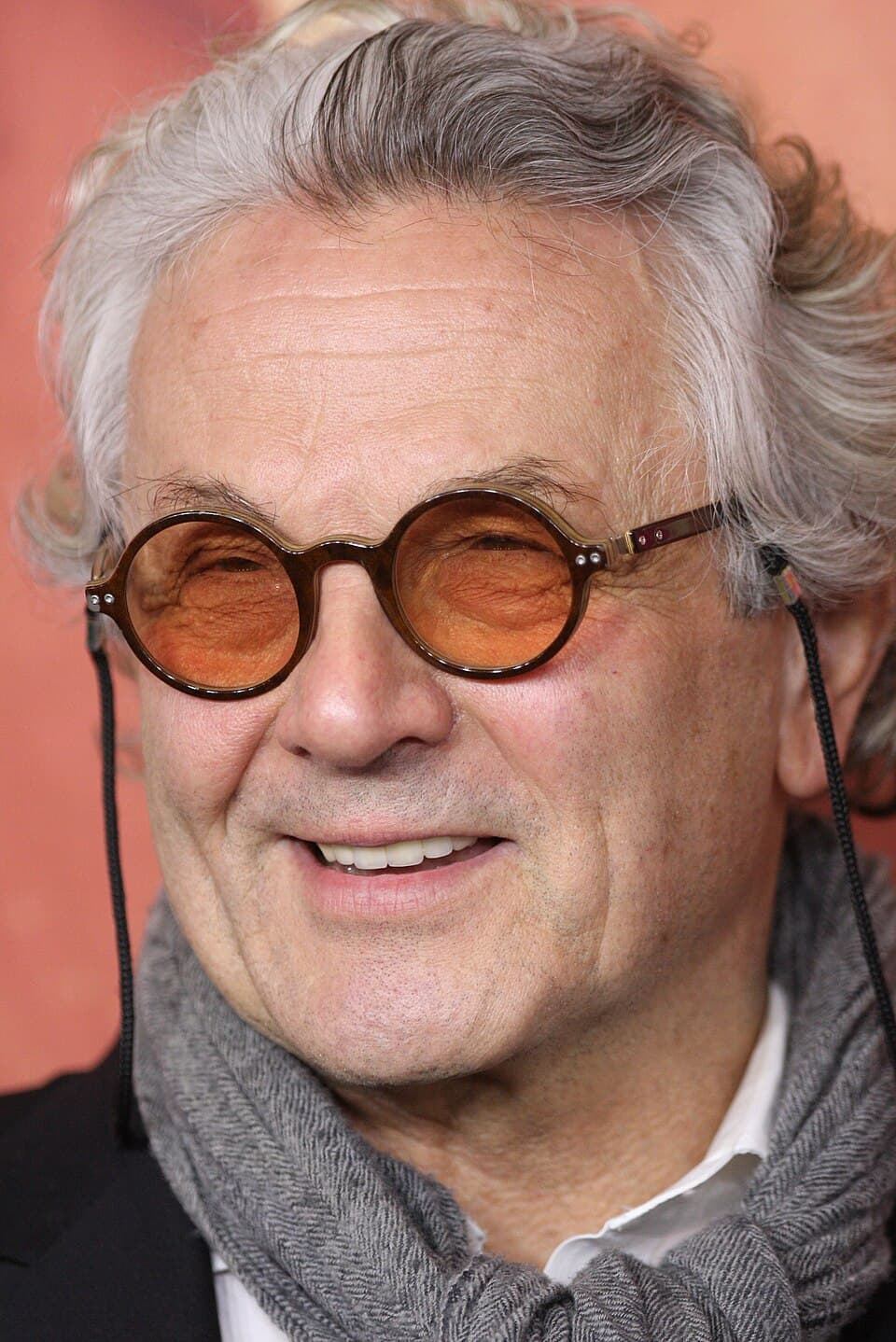
George Miller has spent fifty years refusing to be the director anyone expects him to be, and the punishment for this has always been the same: confusion, followed by reassessment, followed by belated recognition that the man was never confused at all. He made Mad Max and then he made The Witches of Eastwick. He made Babe: Pig in the City, a children’s sequel so dark and structurally ambitious that it killed its own franchise. He made Happy Feet, an animated penguin musical about ecological collapse, and then he made Fury Road, which obliterated every assumption about what a man in his seventies could do with a camera and a fleet of modified vehicles. The career resists summary because it resists pattern, and Three Thousand Years of Longing is the film that makes the resistance most explicit.
The picture is a conversation. Alithea Binnie (Tilda Swinton), a narratologist attending a conference in Istanbul, opens a glass bottle in her hotel bathroom and releases a Djinn (Idris Elba) who offers her three wishes. She is sceptical, not because she doubts his existence but because she studies stories for a living and knows that every wish narrative ends badly. The Djinn, hoping to earn his freedom, tells her three stories from his past, each one a tale of desire thwarted by circumstance, politics, or the brute mechanics of history. She listens. He tells. The hotel room contains them both, and the film rarely leaves it.
The hotel room as cinema
This is the fact that seemed to bother people most. After Fury Road, after the Citadel and the War Rig and the Doof Warrior playing flame-throwing guitar on a truck made of speakers, Miller put two actors in a hotel room and asked them to talk about longing. The disappointment was audible. Opening weekend numbers were modest. Reviews were respectful but puzzled, carrying the faint residue of critics trying to reconcile the film they had seen with the film they had expected. Some called it slight. Some called it indulgent. Some simply noted that it was not Fury Road and left the observation to do whatever work it could.
What this response missed, I think, is that Three Thousand Years of Longing is not a departure from Miller’s concerns but a distillation of them. Every Miller film is about the urgency of narrative. Max Rockatansky needs a story to survive the wasteland. Babe needs a story to avoid the slaughterhouse. Mumble needs a song, which is a story with rhythm. The Djinn needs three stories to earn his freedom, and Alithea needs to hear them before she can understand what she herself desires. The medium changes. The subject does not.
Visual maximalism in a small room
The hotel room scenes are shot with restraint, but the Djinn’s stories are not. Miller applies the same visual density he brought to the Fury Road desert to ancient Sheba, Ottoman palaces, and the court of Suleiman the Magnificent. The colour is saturated beyond naturalism. The compositions are layered and symmetrical in the way Miller has always favoured, recalling the formal precision of Babe: Pig in the City more than the kinetic chaos of the Max films. There is a sequence involving the Queen of Sheba (Aamito Lagum) that plays like a Renaissance painting given permission to move, and another set in a harem that is so visually dense you could pause on any frame and find enough detail for a separate film.
This is Miller’s particular gift, and it is easy to undervalue because he applies it so consistently across such different material. He treats every story as if it deserves the full resources of cinema, regardless of scale. A penguin singing “My Way” gets the same compositional attention as a war rig exploding in the desert; a Djinn recounting his imprisonment inside a bottle gets the same visual seriousness as Immortan Joe’s army charging across the sand. The democratisation of spectacle is the point. Miller does not believe some stories are big and others are small. He believes all stories are enormous if you look at them closely enough.
The most revealing film
I want to suggest that Three Thousand Years of Longing is Miller’s most revealing work, and I want to be careful about what I mean by that. I do not mean it is autobiographical. I mean it is the film where his deepest preoccupation is most visible: the belief that storytelling is not decoration or entertainment but a survival mechanism, a way of making sense of desire across time. Alithea is a scholar of narrative. She knows how stories work. She can identify their structures and predict their outcomes. What she cannot do, until the Djinn shows her, is feel what it means to want something badly enough to risk the story going wrong.
This is the film’s argument, and it is a genuinely strange argument for a blockbuster director to make in 2022. Miller is saying that the act of telling a story is itself the most important thing a person can do, more important than the outcome, more important than whether the wish comes true. The Djinn’s three tales all end in loss. He tells them anyway. The telling is the point.
A career of tonal extremes
Miller turned eighty in 2025. His filmography contains a horror film, a legal thriller, a fairy tale, two animated musicals, five post-apocalyptic action films, and a chamber piece about a djinn and a narratologist in a Turkish hotel room. There is no other career like it in Australian cinema, or in cinema full stop. The usual critical response to this range is to call it eclectic and move on, but I think that misses what connects the work. Miller is not restless. He is consistent. He keeps making the same film in different costumes: a person is trapped; a story offers a way out; the way out requires the person to risk everything on an act of belief.
Fury Road worked because the act of belief happened to involve cars and fire. Three Thousand Years of Longing did not work, commercially, because the act of belief involved sitting in a bathrobe and listening to someone talk. The audience, trained to associate Miller with velocity, could not adjust to the stillness. This is not a failure of the film. It is a failure of expectation, and expectations are the audience’s responsibility, not the director’s.
The picture is still there, waiting. It will be found eventually, the way Babe: Pig in the City was found, the way Mad Max 2 was found after the first film’s modest reception. Miller’s work has a habit of arriving before the audience is ready for it, and Three Thousand Years of Longing may be the purest example: a film about patience, made by a patient man, released to an impatient world.

Bronte writes long-form criticism of Australian cinema and the international art films that feed into it. She was on the ground at Cannes in 2019 and has not entirely forgiven the festival for 2020. Patient with slow films; impatient with tidy ones.
MORE BY BRONTE HAUGHEY →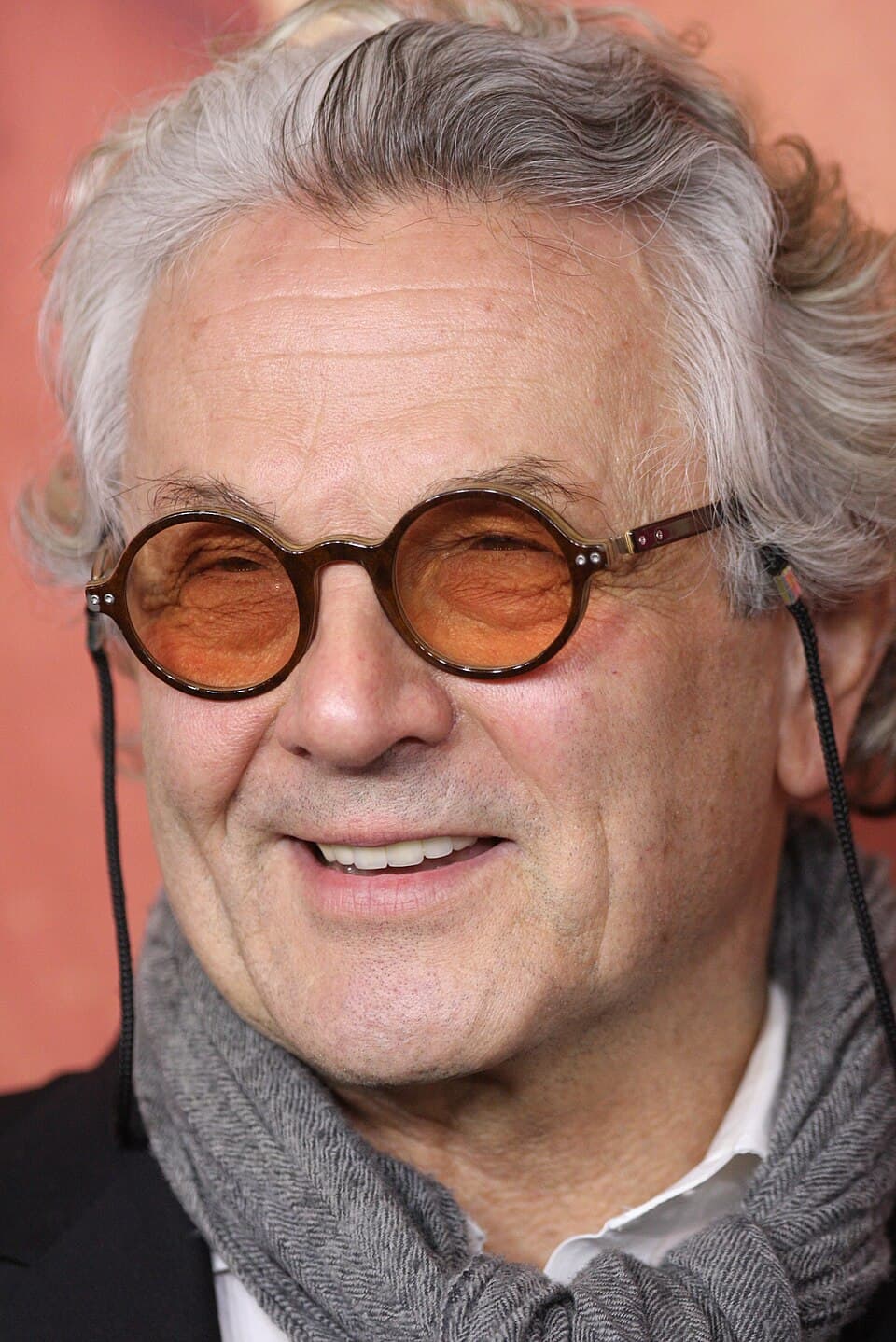
Three Thousand Years of Longing is George Miller arguing with himself in a hotel room
Miller put two actors in a room and asked what stories are for, and the film answers with images that cost more than most Australian features.
Furiosa and the country George Miller will not leave
Two years after Furiosa underperformed in May 2024, the picture has clarified into the most patiently photographed film of George Miller's career, and possibly the last one he will shoot in the Hay plains.
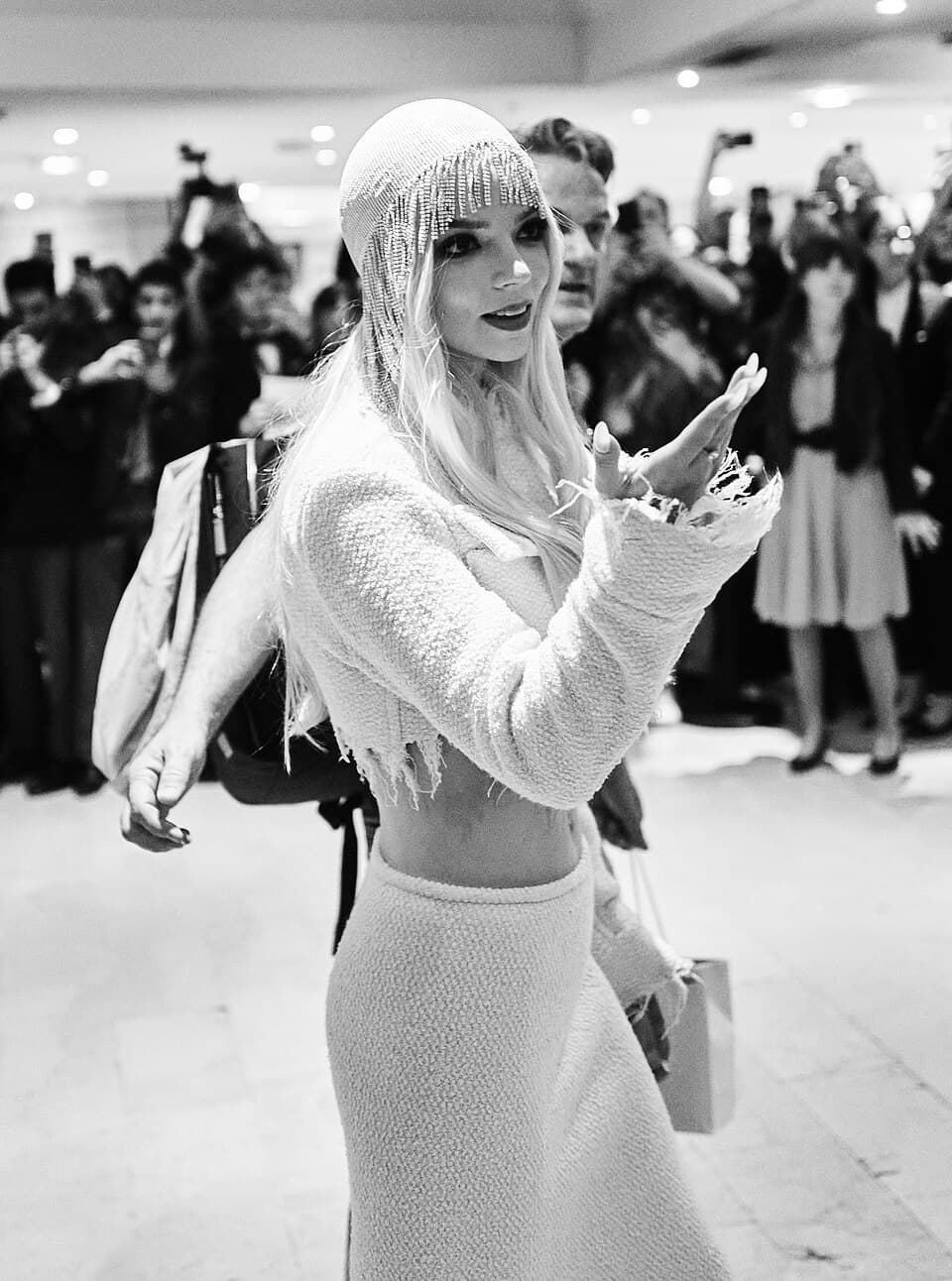
Furiosa opened to a half-empty cinema and the film did not care
George Miller spent a decade building Furiosa and the audience showed up late, but the film was always playing to a longer clock.