Three Thousand Years of Longing is George Miller arguing with himself in a hotel room
Miller put two actors in a room and asked what stories are for, and the film answers with images that cost more than most Australian features.
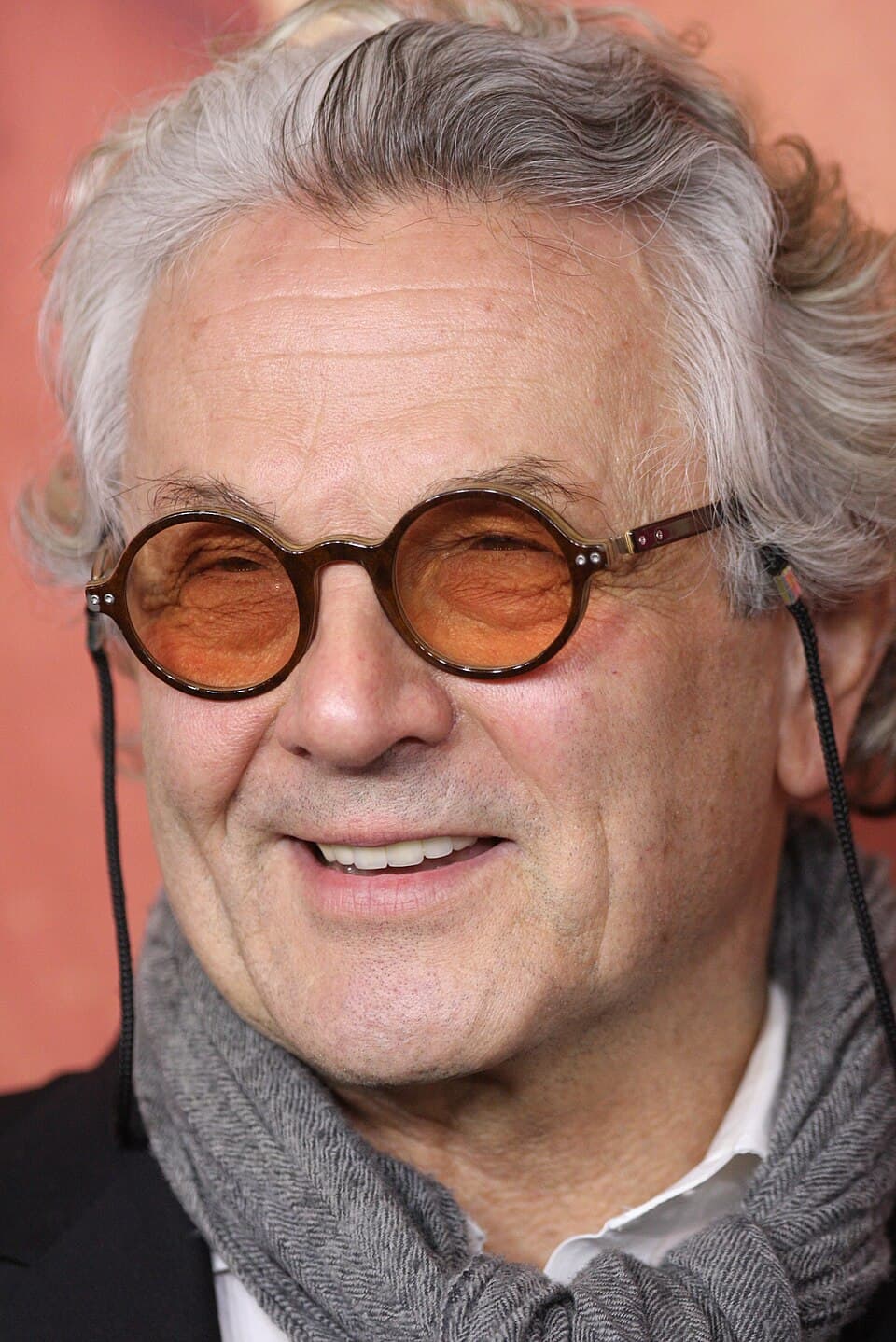
George Miller has spent his career switching registers so violently that the critical establishment has never quite known what to do with him. The man who made Mad Max also made Babe: Pig in the City. The man who made Happy Feet also made Fury Road. There is no through-line that a journalist can write in a single sentence, no tidy arc from early work to mature vision, because the vision keeps changing its shape while remaining, somehow, recognisably the same director’s. Three Thousand Years of Longing is the latest act of dislocation: a chamber film about storytelling, starring two actors in a hotel room, decorated with visual effects sequences that cost more than most Australian features earn in their entire theatrical run.
The premise is this. Alithea Binnie (Tilda Swinton) is a narratologist, a scholar of stories, attending a conference in Istanbul. She buys an antique bottle in a shop. In her hotel room, she opens it, and out comes a Djinn (Idris Elba), who offers her three wishes in exchange for his freedom. Alithea, being a scholar of stories, knows how this goes. She knows the pattern. She knows that wishes in stories are traps, that the specifics of the wording always matter, that the granting of desires leads to consequences the wisher did not anticipate. She tells him she does not want anything. He tells her his story. He tells her several stories, in fact, spanning three thousand years, each one a tale of a previous master whose wishes led to his re-imprisonment.
This is not a blockbuster premise. It is a seminar premise. Miller knows this and proceeds anyway.
The room and the world
The structural conceit is that the film alternates between the hotel room, where Swinton and Elba sit in bathrobes and talk, and the vast, digitally constructed worlds of the Djinn’s past. The hotel room scenes are intimate, verbose, shot in close-up with the warm light of a Turkish afternoon falling across expensive bed linen. The flashback sequences are operatic: the court of the Queen of Sheba, the palace of Suleiman the Magnificent, an Ottoman harem rendered in colours so saturated they bleed off the screen. The contrast is deliberate and extreme. Miller is asking what happens when you put the biggest possible images inside the smallest possible frame, when the vehicle for spectacle is not action but narration, when the thing being depicted is not an event but a story about an event.
The answer, predictably, divided audiences. People who came expecting the propulsive momentum of Fury Road found a film that stops to think, that privileges conversation over movement, that is more interested in the mechanics of narrative desire than in the mechanics of vehicular combat. The Cannes premiere was met with a puzzlement that was almost audible. The Australian theatrical release, which arrived in September 2022, fared no better commercially. The film made back a fraction of its budget. It will, I suspect, age well, because the films of Miller’s that confuse people on release tend to be the ones that look most interesting a decade later. Pig in the City was a box office disaster in 1998 and is now understood as one of the strangest and most beautiful children’s films ever made.
Swinton and the problem of wanting nothing
Swinton’s performance is the film’s anchor, and it is a performance built on refusal. Alithea does not want things. She is content. She has a career she values, a house she likes, a life organised around intellectual satisfaction rather than emotional appetite. When the Djinn appears and offers her anything, her response is not greed or caution but genuine confusion. She cannot identify a desire to articulate. This is a problem for the Djinn, whose freedom depends on the wishes being granted, but it is also a problem for the film, because a protagonist who wants nothing is a protagonist who resists narrative momentum.
Swinton plays this resistance beautifully. She is precise, dry, faintly amused by the absurdity of her situation, and completely sincere in her inability to locate a wish. The performance is intellectual without being cold, measured without being distant. She listens to the Djinn’s stories with the attention of a professional listener, noting the patterns, identifying the structural conventions, appreciating the craft. When she finally does make a wish, the choice is surprising not because it is dramatic but because it is modest, and the modesty is what makes it moving.
Elba and the weight of centuries
Elba’s Djinn is playing a different game. Where Swinton is still and precise, Elba is expansive, wounded, carrying three millennia of confinement in his posture and his voice. The performance requires him to shift between registers as the Djinn inhabits different eras: a lover in the court of Sheba, a scholar in the age of Suleiman, a prisoner across all of them. Elba handles this with a physical grace that recalls his best television work, the long-form patience of Luther applied to a character whose timeline is impossibly longer. His Djinn is not a magical creature performing wonder. He is a person, or something like a person, who has been trapped for so long that the telling of his story is itself a form of release.
The chemistry between the two actors is unusual. It is not romantic, exactly, or not immediately. It is the chemistry of two people engaged in a negotiation where the stakes are existential for one party and theoretical for the other. The power dynamic shifts throughout the film as the Djinn’s stories accumulate and Alithea begins to understand that her refusal to wish is not generosity but its own kind of cruelty, that keeping the Djinn in suspension because she cannot identify a desire is as much a prison as the bottle.
The images and what they cost
The visual effects sequences are lavish and slightly unreal in a way that I think is intentional. The court of Sheba looks like a painting come to life, the colours too rich, the geometry too perfect, the light falling at angles that no sun would produce. These sequences do not look like historical reconstructions. They look like stories, which is what they are. The Djinn is not showing Alithea what happened. He is telling her what happened, and the images have the heightened, edited quality of a tale that has been told many times and refined in the telling. The occasional digital artificiality is not a flaw in the effects work. It is the point. These are memories filtered through three thousand years of narration, and they should look slightly wrong, slightly too beautiful, slightly detached from the physics of the actual world.
Miller spent a reported $60 million on this, which is a lot to spend on a film in which the central action is two people talking. The expenditure is an argument in itself. He is saying that stories deserve the same visual investment as car chases, that the depiction of a narrative within a narrative warrants the same technical resources as the depiction of a physical event. Whether this argument succeeds depends entirely on what you think films are for, which is, not coincidentally, the question the film itself is asking.
Miller at his most generous
I want to make a claim that will annoy people who prefer Fury Road, and here it is: Three Thousand Years of Longing is Miller at his most intellectually generous. Fury Road is a controlled detonation, a film that knows exactly what it wants to do and does it with a precision that leaves no room for ambiguity. It is a masterwork of intention. Three Thousand Years of Longing is a film that does not know what it wants, or rather, a film whose protagonist does not know what she wants, and the entire structure of the picture is organised around the attempt to find out. The generosity is in the uncertainty. Miller is not telling the audience what to feel. He is sitting in a room with them, surrounded by stories, asking which one matters.
The film is too long. Some of the flashback sequences could be trimmed without loss. The third act, in which the story leaves Istanbul and goes to London, loses the claustrophobic intensity that made the hotel room scenes work. These are real flaws, and they matter, and they do not diminish the fact that a seventy-seven-year-old Australian director spent $60 million and several years of his life making a film about the question of whether stories are worth telling. The answer the film arrives at is yes, and the answer is made of images so beautiful that it constitutes its own evidence.

Bronte writes long-form criticism of Australian cinema and the international art films that feed into it. She was on the ground at Cannes in 2019 and has not entirely forgiven the festival for 2020. Patient with slow films; impatient with tidy ones.
MORE BY BRONTE HAUGHEY →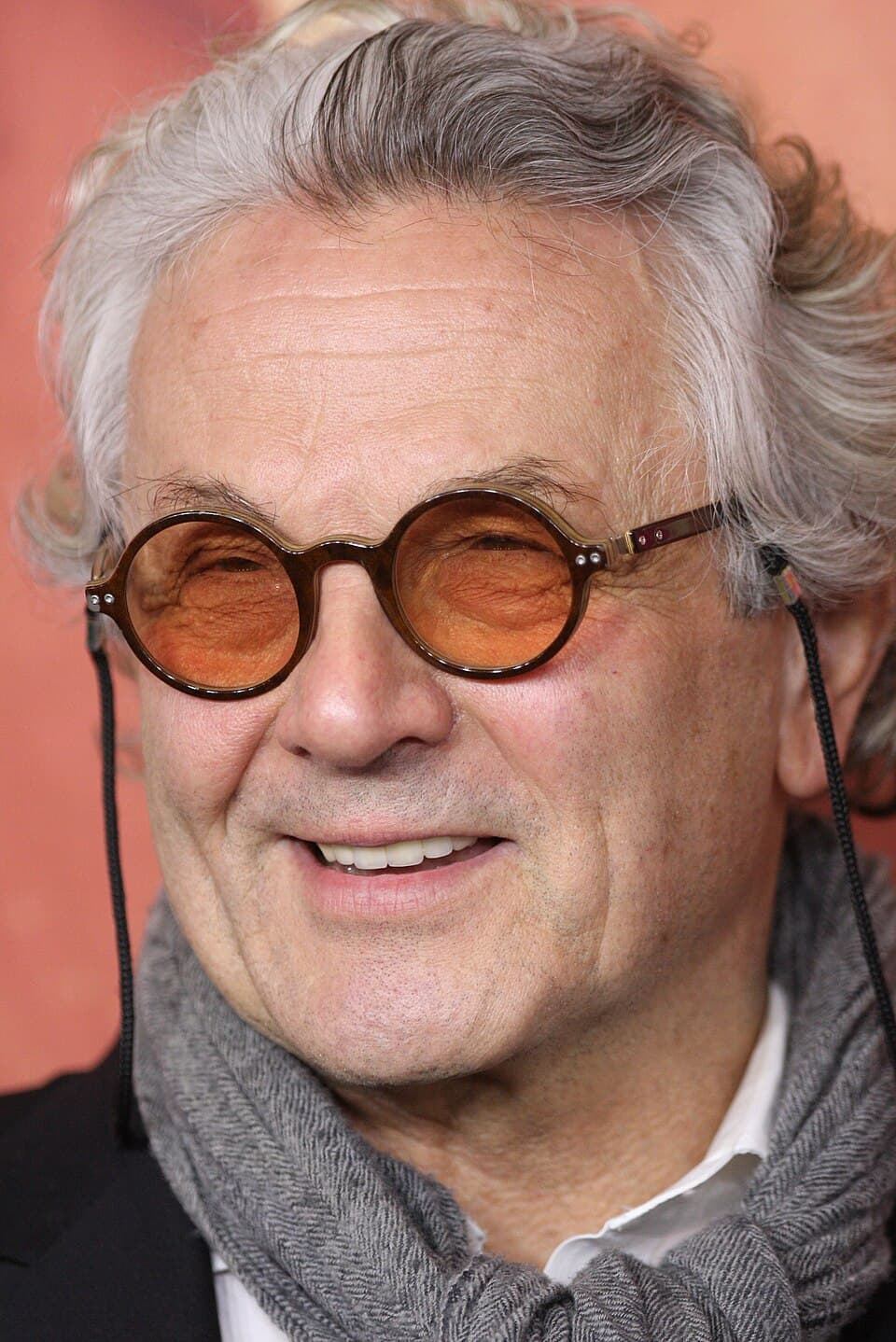
George Miller made a film about storytelling and the audience wanted another car chase
Miller's most personal film is also his most ignored, and the distance between the two says more about the audience than the director.
Furiosa and the country George Miller will not leave
Two years after Furiosa underperformed in May 2024, the picture has clarified into the most patiently photographed film of George Miller's career, and possibly the last one he will shoot in the Hay plains.
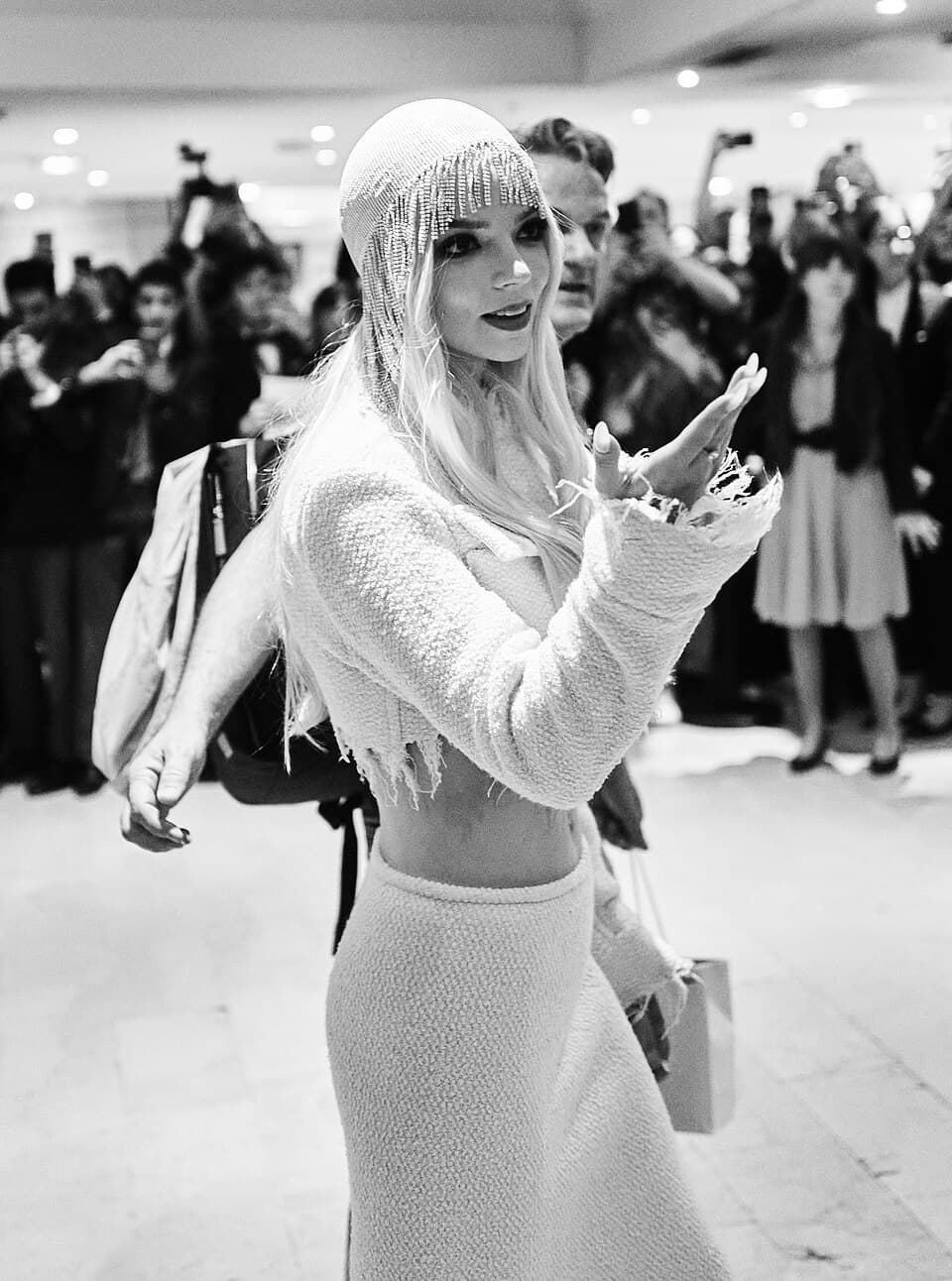
Furiosa opened to a half-empty cinema and the film did not care
George Miller spent a decade building Furiosa and the audience showed up late, but the film was always playing to a longer clock.