LOADING…
TAG / 17 PIECES
[AUSTRALIAN-CINEMA]
FILM№ 01
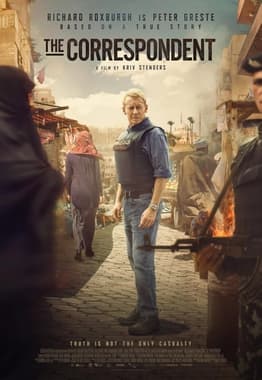
The Correspondent is a grief film wearing a prison film
Kriv Stenders built an Egyptian prison on a Sydney soundstage in six weeks, and the picture he made inside it is not about Egypt at all.
BRONTE HAUGHEY16.08.2026
FILM№ 02
Furiosa and the country George Miller will not leave
Two years after Furiosa underperformed in May 2024, the picture has clarified into the most patiently photographed film of George Miller's career, and possibly the last one he will shoot in the Hay plains.
BRONTE HAUGHEY08.05.2026
ESSAYS№ 03
Australian cinema does not know what it wants to be next and that might be the whole point
Six years of writing about Australian film has taught me that the industry's identity crisis is not a bug; it is the condition under which the best work gets made.
MARA DENG04.05.2026
FILM№ 04
Six years of Australian cinema and the argument is still open
The films got better, the audiences stayed complicated, and the critics kept writing.
BRONTE HAUGHEY02.05.2026
FILM№ 05
Sydney Film Festival 2026 opens with a question the programme cannot answer alone
The programme is strong, the Australian titles are stronger, and the question of who will be in the audience remains.
BRONTE HAUGHEY28.03.2026
ESSAYS№ 06
This year I watched forty Australian films and the best ones made me nervous
The comfortable films were fine, the difficult ones were better, and the gap between the two is where Australian cinema lives.
MARA DENG22.12.2025
ESSAYS№ 07
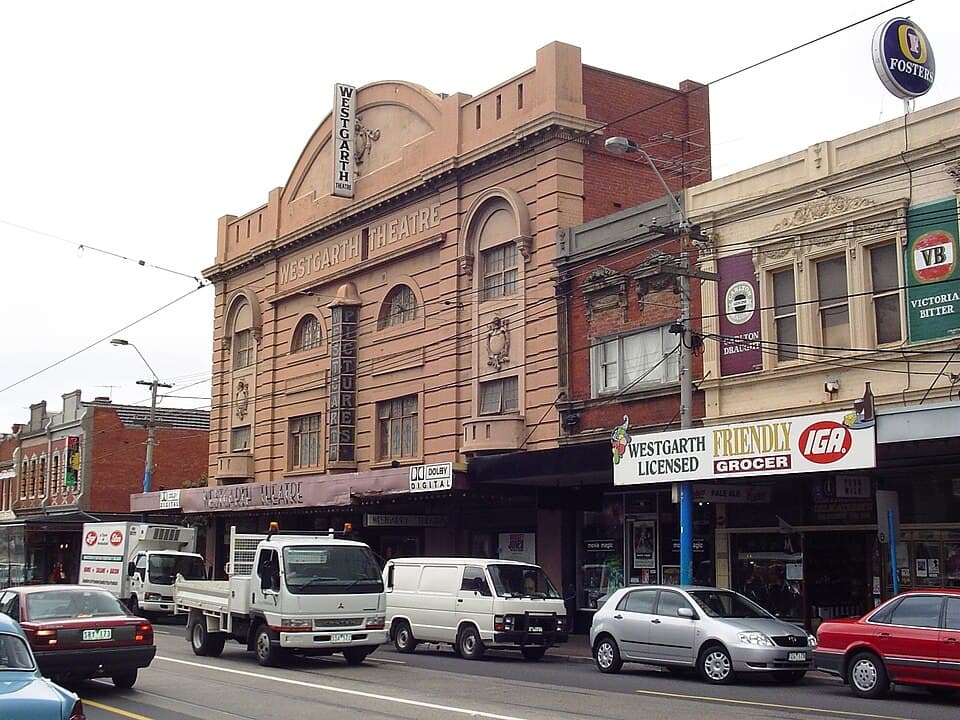
The cinema is not dying but it is learning to share the room
The argument between cinema and streaming was never about screens; it was about who gets to decide what watching means.
MARA DENG12.08.2025
ESSAYS№ 08
Who is Australian cinema for and does it know
The question is not whether Australian films are good enough; it is whether the industry has decided who it is talking to.
MARA DENG16.06.2025
ESSAYS№ 09
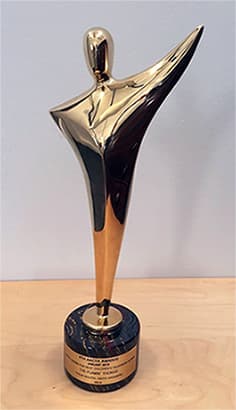
The AACTA ceremony keeps asking Australia to celebrate its own cinema and Australia keeps leaving early
The trophies are heavy, the speeches are short, and the audience at home has already changed the channel.
MARA DENG26.02.2025
ESSAYS№ 10
Australian cinema in 2024 was everywhere and nowhere at the same time
The year's biggest Australian film cost half a billion dollars and the year's best cost seven million, and nobody quite knew how to hold both in the same sentence.
MARA DENG10.12.2024
ESSAYS№ 11
Australian cinema in 2022 made the difficult films and then struggled to show them
The films were there, the festivals screened them, the cinemas booked them for two weeks, and then they were gone.
MARA DENG20.12.2022
FILM№ 12
The five Australian films of 2021 that will still matter in a decade
The year gave us a portrait of a mass killer, a drought-country thriller, a sheep-farming feud, and a lucid day with a grandmother, and all four will last.
BRONTE HAUGHEY22.12.2021
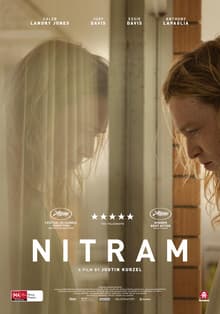
ESSAYS№ 13
2021 was the year Australian cinema got serious and the audience looked away
Four of the year's most significant Australian films dealt in violence, guilt, grief, and landscape, and the domestic audience chose to watch something else.
MARA DENG14.12.2021
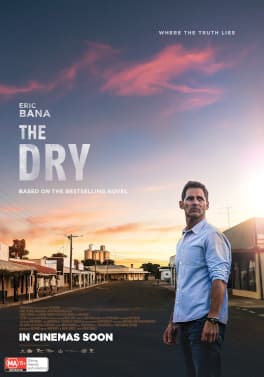
FILM№ 14
The Australian films worth anticipating in 2021
The pipeline froze in 2020, but the films that waited are beginning to move, and several of them are worth the delay.
BRONTE HAUGHEY12.01.2021
ESSAYS№ 15
What happens when a country stops making new films for six months
The productions paused, the releases dried up, and the silence where new Australian cinema should have been got louder every week.
MARA DENG12.08.2020
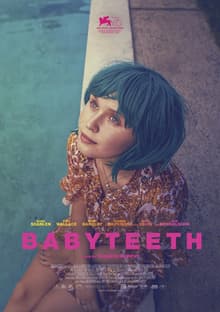
FILM№ 16
The Australian films worth tracking in 2020
The year's most anticipated Australian films include a Ned Kelly punk opera, a surfing memoir, and a magpie, and not one of them will have an easy path to the screen.
BRONTE HAUGHEY08.02.2020
ESSAYS№ 17
We started a magazine about Australian cinema because somebody had to
The coverage is thin, the films deserve better, and this is our attempt to close the gap.
MARA DENG14.01.2020