LOADING…
TAG / 12 PIECES
[AUSTRALIAN-DRAMA]
TV№ 01
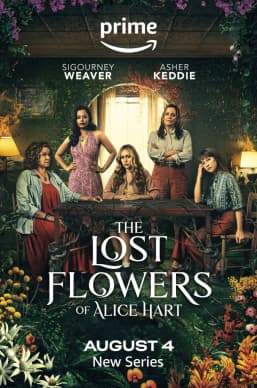
The Lost Flowers of Alice Hart cannot decide if it trusts its audience
Sigourney Weaver commits fully to the Australian accent and the Australian landscape; the scripts commit to neither.
RHYS TAVITA14.11.2023
TV№ 02
The Newsreader keeps getting the small things wrong on purpose
Season two proves that the best Australian drama on television is the one most willing to look silly in a period wig.
RHYS TAVITA20.08.2023
FILM№ 03
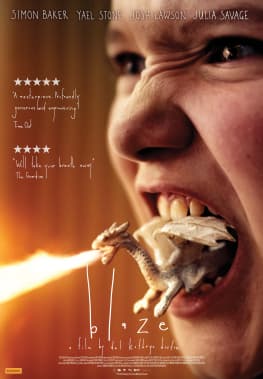
Blaze paints its trauma in colours that refuse to behave
Del Kathryn Barton's debut feature looks nothing like any other Australian film this decade, and that is both its weapon and its problem.
BRONTE HAUGHEY10.05.2022
TV№ 04
Fires dramatised the 2019 bushfires before the country had finished processing them
The ABC made a miniseries about the Black Summer fires less than two years after the smoke cleared, and the question is not whether it was too soon but whether it was enough.
RHYS TAVITA22.02.2022
MUSIC№ 05
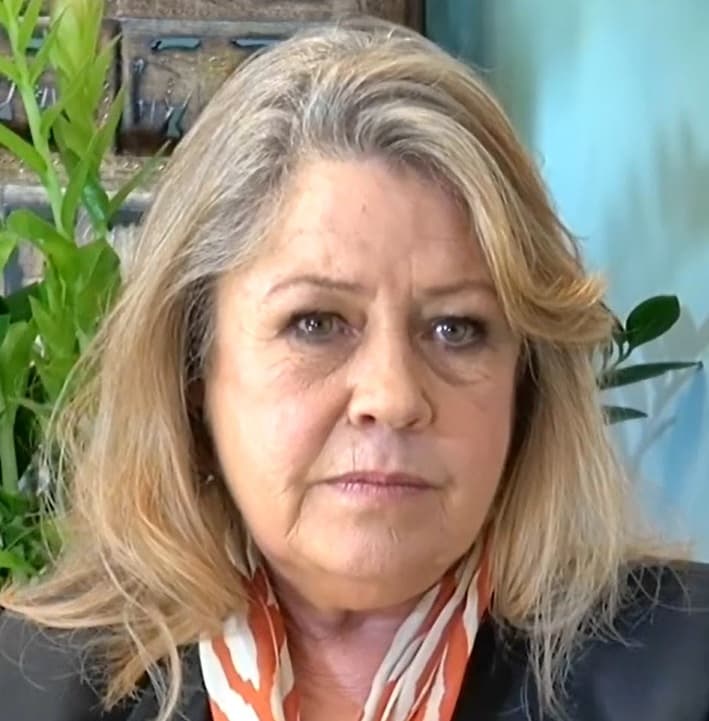
The score for June Again knows exactly when to stop playing
The score for JJ Winlove's film does its best work in the silences between the cues, where Hazlehurst's face carries everything the music chose not to.
KIERAN BOUSTANY28.09.2021
FILM№ 06
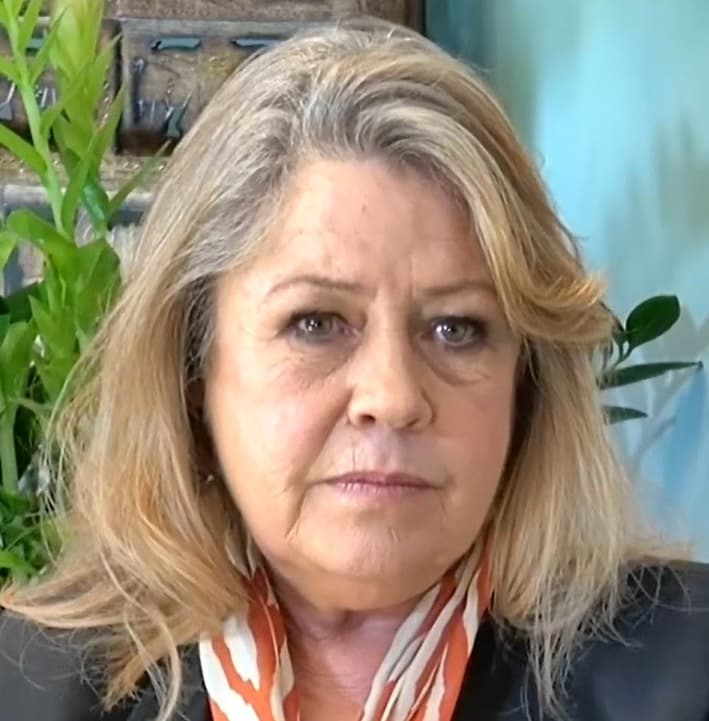
June Again gives Noni Hazlehurst a second chance and does not waste it on sentiment
Hazlehurst plays a woman with dementia who gets one lucid day, and the film is wise enough to spend it on repair rather than nostalgia.
BRONTE HAUGHEY22.09.2021
TV№ 07
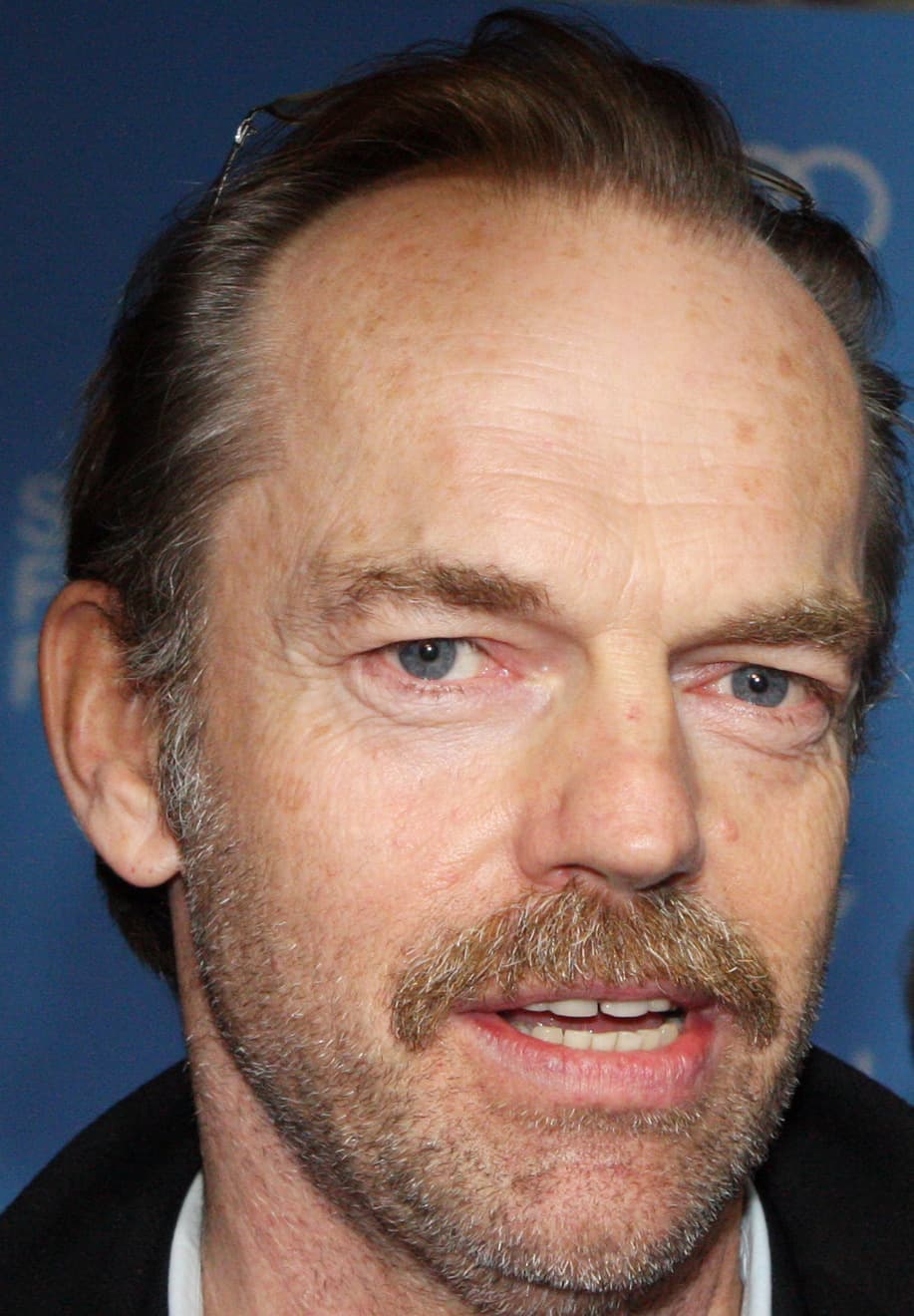
Love Me gives Hugo Weaving a dating app and watches him try to be human
Weaving plays a widower on a dating app, and the show's best trick is treating online romance with the same gravity it gives grief.
RHYS TAVITA28.07.2021
FILM№ 08
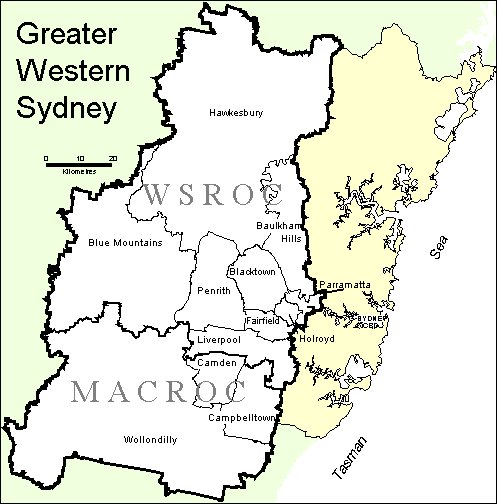
Here Out West built Western Sydney from eight directors and one shared street
Eight directors filmed eight stories on a single Western Sydney street, and the accumulation is more than any one of them could have managed alone.
BRONTE HAUGHEY26.05.2021
MUSIC№ 09
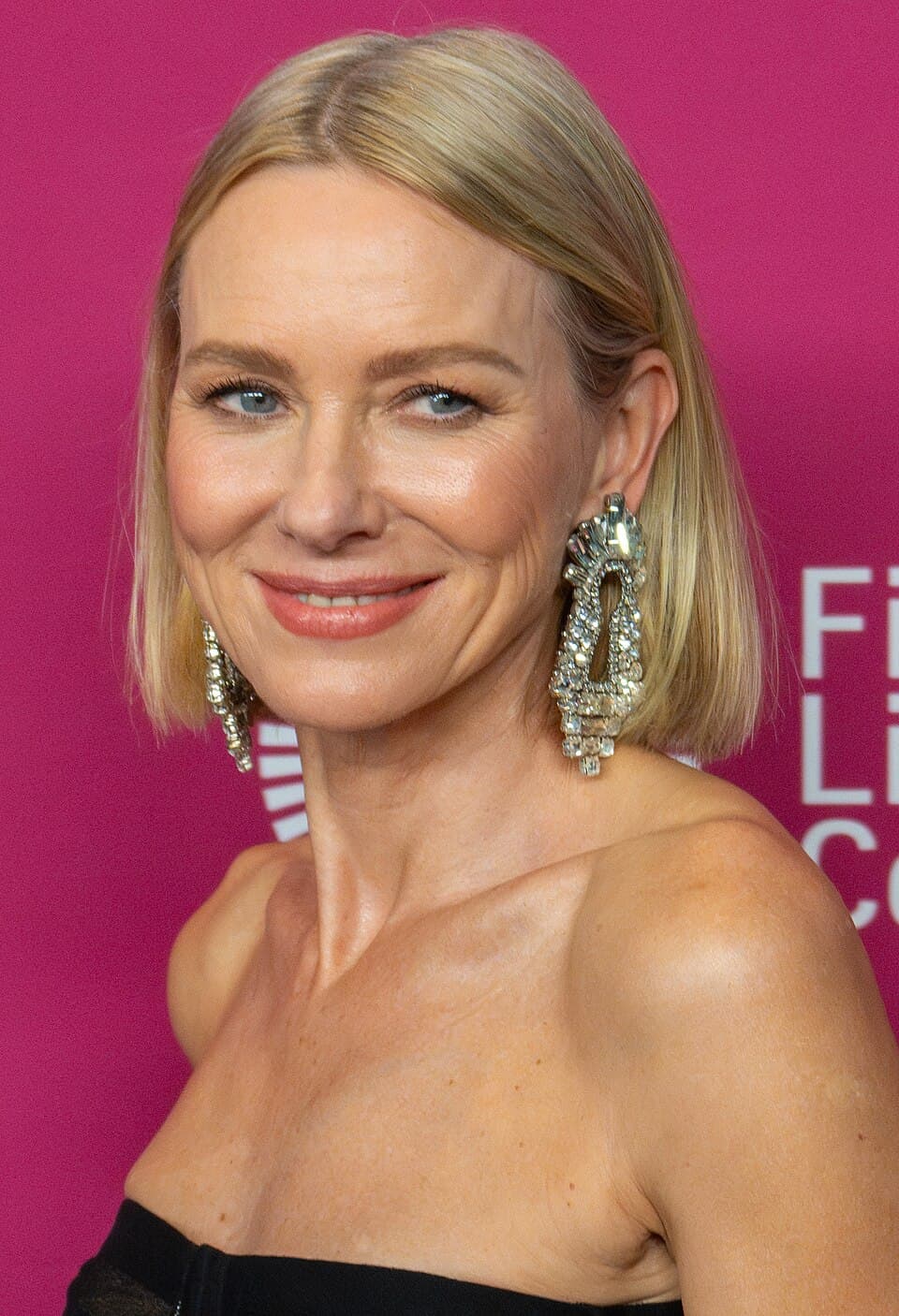
The score for Penguin Bloom knows the bird is carrying the emotion
Zarvos scores the recovery around the magpie rather than the woman, and the displacement is exactly right.
KIERAN BOUSTANY22.04.2021
FILM№ 10
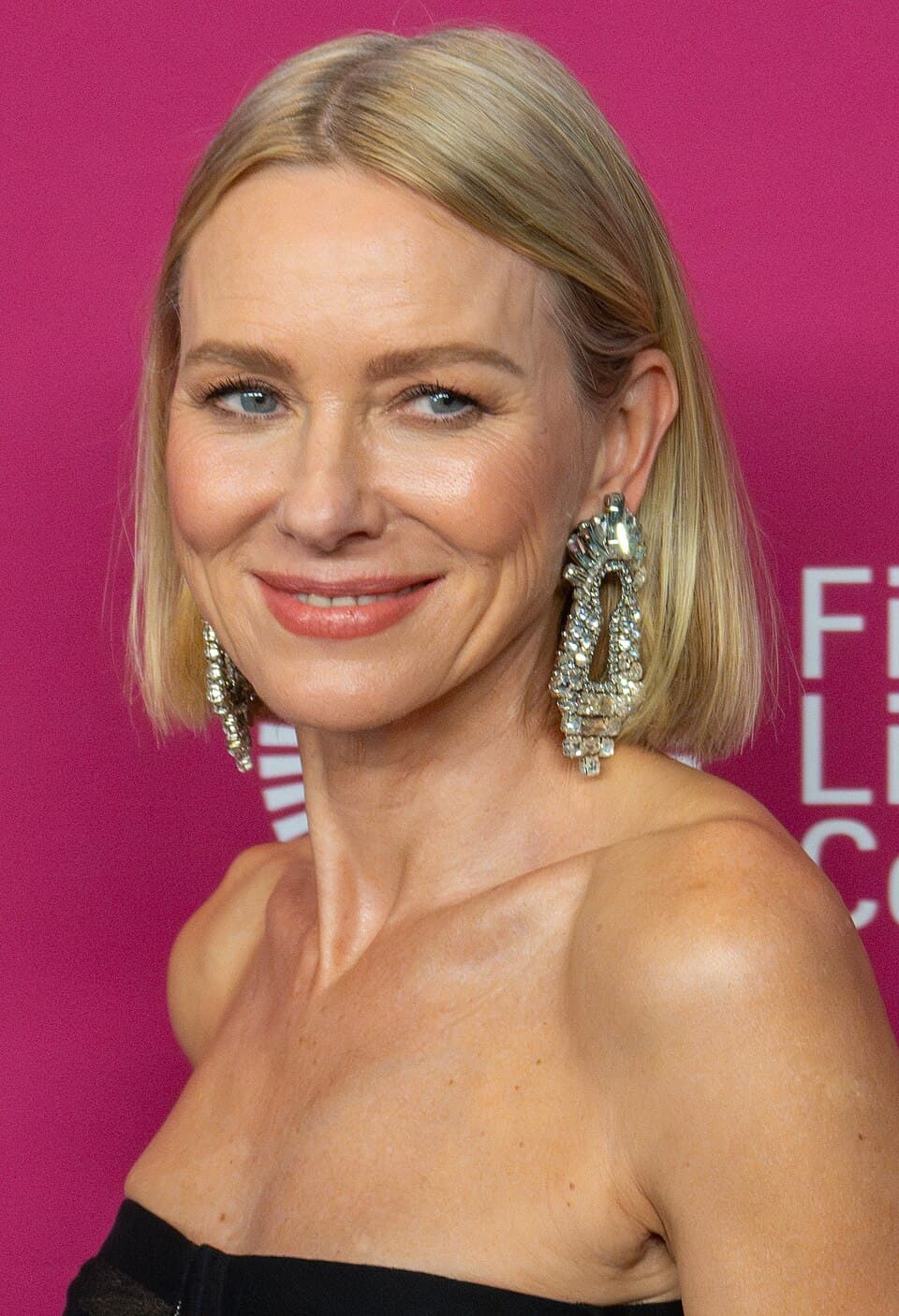
Penguin Bloom brings Naomi Watts home and does not know what to do with her
Watts returns to Australian cinema for a true story about a magpie and a spinal injury, and the film is better when it trusts the bird.
BRONTE HAUGHEY16.03.2021
ESSAYS№ 11
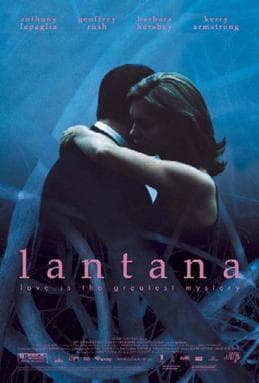
Rewatching Lantana in lockdown and noticing what the neighbours hear
Ray Lawrence's film is about what happens when suburban walls are too thin, and in lockdown every wall became too thin.
MARA DENG16.09.2020
ESSAYS№ 12
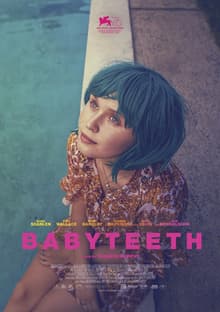
Babyteeth and the dignity of falling apart in public
Shannon Murphy's debut refuses to tidy its grief, and the mess is exactly where the film finds its nerve.
MARA DENG04.03.2020