The score for Penguin Bloom knows the bird is carrying the emotion
Zarvos scores the recovery around the magpie rather than the woman, and the displacement is exactly right.
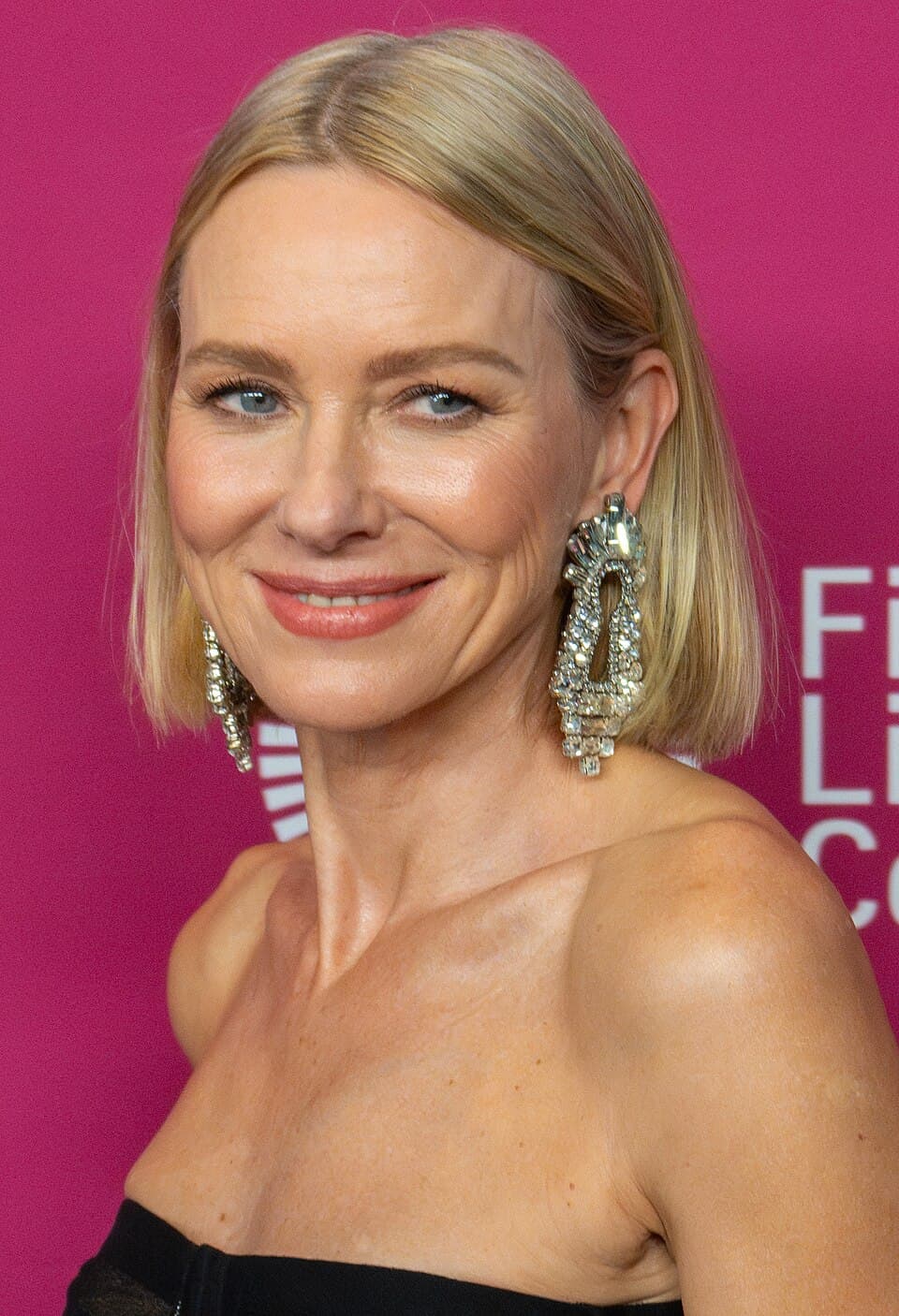
There is a scene early in Penguin Bloom where the injured magpie is placed on a table and the family gathers around it. The bird is small and broken and alert. The humans are large and worried and uncertain. Marcelo Zarvos scores this moment with a piano figure that is so delicate it barely registers as music. Three notes, descending, with enough space between them that the ambient sound of the room, the bird shifting, someone breathing, fills the intervals. The piano does not comment on the bird. It accompanies the bird the way a heartbeat accompanies a body: involuntarily, quietly, as a condition of being present.
This is the key decision Zarvos makes throughout the score, and it is the decision that saves the film from itself. Penguin Bloom (Glendyn Ivin, 2021) is a recovery narrative. Sam Bloom (Naomi Watts) suffers a spinal injury while on holiday in Thailand and returns to her Northern Beaches home in a wheelchair, depressed, angry, withdrawing from her family. The family rescues an injured magpie chick. The bird recovers. Sam, inspired by the bird’s recovery, begins her own. It is, on paper, the kind of story that scores itself: swelling strings for the hard moments, bright piano for the breakthroughs, a final orchestral statement that tells you healing has occurred and you should feel good about it.
Zarvos does none of this. He scores the bird.
The magpie cues
The magpie sequences are where the score lives. When the bird learns to hop, Zarvos writes a skittering rhythmic figure for piano and light percussion that has the quality of something improvised, something discovered in the moment rather than composed in advance. When the bird first flies, the music lifts, but it lifts the way a bird lifts: with effort, with uncertainty, with the possibility of falling built into every ascending phrase. The flight cues are not triumphant. They are tentative, exploratory, full of the physical reality of a creature learning to use a body that was recently broken.
The displacement is exactly right. Sam’s recovery is too loaded, too fraught with the potential for sentimentality, to be scored directly. If Zarvos had written music that tracked Sam’s emotional state, the score would have become a guide to feeling, telling the audience when to be sad and when to be hopeful and when to be moved. By scoring the bird instead, he creates a parallel emotional register. The audience watches Sam and hears music that belongs to the magpie, and the correspondence between the two recoveries is felt rather than stated. The music says: this small creature is learning to fly. The audience understands: so is she. The gap between what the music describes and what the audience infers is where the emotional power sits, and the power is greater for being indirect.
Piano as intimacy
The score is piano-driven, with occasional strings and a handful of textural electronic elements that sit so far back in the mix they function as atmosphere rather than instrumentation. The piano writing is sparse. Zarvos uses the instrument’s sustain, the way a note hangs in the air after the key is released, as a compositional element. The silences between notes are shaped, intentional, part of the musical phrase rather than interruptions of it. The effect is of music that is listening to itself, that is as attentive to what it is not playing as to what it is.
This works because the film is set in a domestic interior for most of its running time. The Bloom house, with its wooden floors and open windows and proximity to the beach, is a space that has its own acoustic character: footsteps, wind, the distant surf, the bird’s claws on timber. Zarvos writes music that inhabits this space rather than overriding it. The piano cues feel as though they are coming from inside the house, from a room you cannot see, played by someone who is not trying to be heard. The intimacy of the instrument matches the intimacy of the setting, and the score becomes part of the domestic texture rather than a commentary on it.
Nature as emotional register
Australian cinema has a long and complicated relationship with landscape scoring. Peter Sculthorpe wrote music for Australian films that treated the land as a character, vast, ancient, indifferent to the human dramas unfolding on its surface. Lisa Gerrard’s work with Dead Can Dance and her solo scores for films like The Insider and Gladiator extended this into a kind of elemental emotionalism, the land as feeling, the landscape as grief or exaltation. More recently, Jed Kurzel’s scores for his brother Justin’s films have used landscape as abrasion, the sound of a country that is beautiful and hostile in equal measure.
Zarvos is not Australian, and his relationship to the landscape is different. He scores the Northern Beaches not as landscape but as habitat. The magpie is a creature of this specific place, this light, this wind, these trees, and the music reflects that specificity. The nature cues are small-scale, particular, grounded in the sensory details of a single backyard rather than the grandeur of a continent. A magpie’s world is a garden, a fence, a stretch of sky between two rooflines, and the score stays within that world. The result is a naturalism that feels earned rather than imposed, a score that knows its scale and does not exceed it.
What the score withholds
The most important thing Zarvos does is what he does not do. He does not score the accident. He does not score the diagnosis. He does not score the moments of deepest despair with music that amplifies the despair. In the scenes where Sam is at her lowest, the score is absent or nearly so, a single sustained tone, a chord that enters and fades without resolving, a silence that the film’s sound design fills with the ambient noise of a life that has become intolerable. The withholding is a form of respect. The score does not presume to know what paralysis feels like. It does not presume to translate that experience into music. It steps back and lets the image and the performance carry the weight, and when the music returns, it returns around the bird, around the small, achievable recovery of a creature that weighs less than a cup of coffee, and the modesty of that return is its own kind of eloquence.
The score for Penguin Bloom understands something that not all film scores understand: that the most powerful emotional displacement is the one that trusts the audience to make the connection themselves. The bird flies. The music follows the bird. The woman watches. The audience watches the woman. And somewhere in that chain of attention, the feeling arrives, unscored, unannounced, belonging to no one and everyone at once.
Kieran writes about what films sound like. Played in a band that nearly got signed in 2012 and has been thinking about attack and decay ever since. Devoted to Warren Ellis, Amanda Brown, and the quiet work of sound editors nobody interviews.
MORE BY KIERAN BOUSTANY →
The score for June Again knows exactly when to stop playing
The score for JJ Winlove's film does its best work in the silences between the cues, where Hazlehurst's face carries everything the music chose not to.
Shine and the score hiding under the Rachmaninoff
David Hirschfelder had to write original music that lives under the loudest warhorse in the piano repertoire, and the quiet writing is what carries the film.
Nigel Westlake smuggled a cathedral into a film about a pig
The score for Babe borrows its grandeur from a French organ symphony, and the trick tells you everything about how Nigel Westlake hears the relationship between small subjects and large feelings.