LOADING…
TAG / 13 PIECES
[NETFLIX]
TV№ 01
Apple Cider Vinegar knows exactly what it is
Netflix turned Australia's most notorious wellness fraud into a glossy limited series, and the smartest thing it does is admit it is part of the racket too.
RHYS TAVITA29.05.2026
TV№ 02
Boy Swallows Universe and what Netflix actually paid for
Twenty months after Netflix dropped the Trent Dalton adaptation in January 2024, the show has aged into one of the few streamer-funded Australian dramas that didn't get cancelled out of spite.
RHYS TAVITA07.05.2026

MUSIC№ 03
The score for Territory sounds like the land itself is deciding who inherits
The cattle-station saga runs on dust and family betrayal, and the score sits underneath both like heat rising off a dirt road.
KIERAN BOUSTANY18.09.2025

TV№ 04
Territory wants to be Australia's Yellowstone and it gets close enough to matter
Netflix built a cattle-station dynasty drama in the Northern Territory and staffed it with enough Australian actors to fill a muster, and the result is louder and messier than anything the ABC would commission.
RHYS TAVITA22.01.2025
TV№ 05
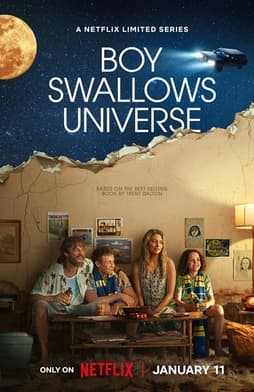
Boy Swallows Universe turned a Brisbane memoir into Netflix content and it mostly survived
The adaptation of Trent Dalton's novel is charming, violent, and uncertain about its own tone in exactly the same proportions as its source material.
RHYS TAVITA10.09.2024
INDUSTRY№ 06
Netflix spent $180 million in Australia in the first half of 2024 and commissioned less
The spend is up, the commissions are down, and the difference is explained by one word: scale.
ODETTE MALOUF26.08.2024
TV№ 07
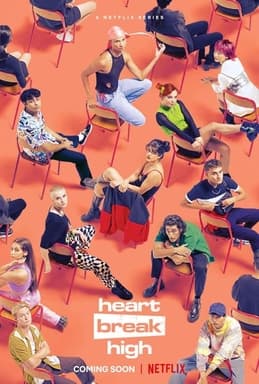
Heartbreak High season two has the confidence to let its characters be wrong
The second season drops the reboot anxiety and lets Hartley High be a school where nobody learns the right lesson at the right time.
RHYS TAVITA20.08.2024
TV№ 08
Wellmania lets Celeste Barber be terrible and that is its best decision
Celeste Barber's Netflix comedy is loud, messy, and allergic to likability, and the show is better for not trying to fix her.
RHYS TAVITA28.03.2023
INDUSTRY№ 09
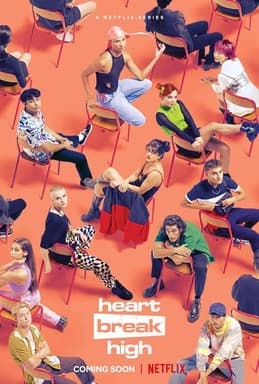
Netflix spent $300 million in Australia and the question is what it bought
The spend is real, the jobs are real, but the IP question remains unanswered.
ODETTE MALOUF18.10.2022
ESSAYS№ 10
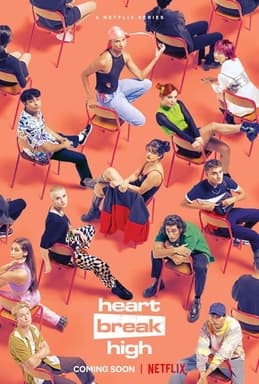
Heartbreak High came back and I realised I was no longer the target audience
The reboot is not for me and that is fine, but the moment I understood that was the moment I understood what nostalgia actually costs.
MARA DENG22.08.2022

TV№ 11
Irreverent puts a Chicago criminal in a Queensland church and lets the accent do the rest
Netflix's fish-out-of-water comedy drops an American mobster in a tiny Queensland town, and the town is funnier than the mobster.
RHYS TAVITA24.05.2022
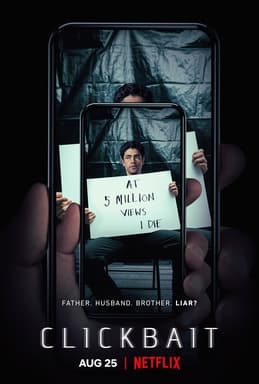
TV№ 12
Clickbait was made in Melbourne for a global audience and it shows
Netflix set a thriller in Oakland, filmed it in Melbourne, cast Adrian Grenier, and hoped nobody would notice the gum trees.
RHYS TAVITA14.09.2021
TV№ 13
Stateless crossed the Pacific via Netflix and the conversation changed
The ABC made a show about immigration detention; Netflix put it in front of sixty million subscribers; and suddenly Australian policy was international content.
RHYS TAVITA28.07.2020