Stan made a great Australian road comedy and told nobody
Dylan River directed all eight episodes of a stolen-taxi comedy set in the 1980s outback, and it went out on Stan with roughly the fanfare of a software update.

Thou Shalt Not Steal went up on Stan on 17 October 2024, eight episodes, all of them directed by one person, and I would bet real money that most people reading this have not watched it. That is not a comment on you. It is a comment on how it was released, which was quietly, into a spring schedule, with a title that sounds like an ABC religious-affairs programme from 1974.
Here is the show. Robyn, played by Sherry-Lee Watson, breaks out of juvenile detention and steals a taxi to get to Coober Pedy and find her father. In the back of the taxi, uninvited, is Gidge, the son of a preacher who is running a fraud, played by Will McDonald. Behind them are Maxine, a brothel madam who would quite like her car back (Miranda Otto, having what looks like the best week of her year), and the police, who are less competent than Maxine.
It is a crime comedy. It is set in the 1980s. It is very funny and then, without any handover, it is not, and the transition happens inside single scenes rather than between episodes.
One director for eight hours, which almost never happens now
Dylan River created it with Tanith Glynn-Maloney and directed every episode himself. In Australian television that is close to unheard of. The standard model is two or three directors carving up a block each, which is efficient and which is also why so much local drama has a slightly seasick tonal quality where episode four feels like a different show than episode two.
River made Robbie Hood for SBS in 2019, the same territory in half-hour pieces, and you can see him applying what he learned. The comedy is shot straight. There is no nudging. Tyson Perkins photographs Central Australia at the hours when it looks like a place people live rather than a place tourists visit, and a lot of the humour is allowed to happen in long-ish takes where the joke is a person’s decision rather than a person’s line.
To its credit, the show also knows exactly what genre it is borrowing from and does not pretend otherwise. Two strangers, a stolen car, an escalating pursuit, a country big enough to hide in. Every reviewer reached for the Coens and they were not wrong, though the closer relative is the Australian road picture, which has always been about the fact that the distances here are punitive and the punishment is boredom.
Watson and McDonald, and the thing the show refuses to explain
Sherry-Lee Watson is doing the hardest work here and it is easy to miss because Robyn is written as competent. She is not a naive kid learning about the world. She has a plan, she executes it, and the comedy comes from everybody around her being worse at their jobs than she is at hers.
What Watson adds is a specific brittleness in the moments when the plan meets an institution. There is a register she drops into around police and around white authority generally, flatter, more polite, slightly slower, and it is unmistakably a learned behaviour. The show never comments on it. Nobody makes a speech about it. It is simply there, in the performance, eight times an episode, and it does more political work than any amount of dialogue would.
Will McDonald has the easier assignment (Gidge is a puppy who has decided he is a wolf) and he is good enough not to over-play it. Noah Taylor turns up as the preacher father and does what Noah Taylor has done for thirty-five years, which is make being unpleasant look like an intellectual position. Shari Sebbens and Darren Gilshenan round it out. Nobody is coasting.
Vincent Goodyer’s score is worth a mention because it is doing something unfashionable: it is period-appropriate without being a nostalgia exercise. No wall of licensed 1980s singles. The show cost what it cost and spent it on the road instead of the soundtrack, and honestly the restraint reads as confidence.
The production line behind it
Ludo Studio made it, with Since1788. Ludo are the Brisbane outfit behind Bluey and Boy Swallows Universe, which is a portfolio with no obvious through-line until you notice that all three are shows about children managing adults who are failing at it. Since1788 is Glynn-Maloney’s company. The shoot ran between Alice Springs and Adelaide, on the road, which you can see and which no amount of second unit fakes.
Look, this is the part where I am supposed to complain about something. The eighth episode is a touch tidy. The pursuit plot needs one more complication than it gets around episode six. That is the extent of it.
Where it went
Nowhere, is the honest answer, at least commercially. It picked up the reviews (Luke Buckmaster called it a future classic, which is the kind of line a distributor prints on a poster if there is a poster) and then it sat there, on a service whose subscribers were mostly there for the tennis and Bump.
I do not think Stan did anything villainous. I think Stan had a show it did not know how to sell, because the honest pitch is “eight-hour outback crime comedy about a stolen taxi, one director, no stars in the top two roles,” and that is a sentence that wins awards and does not win a Tuesday night.
Watch it. Then be irritated, as I am, that the best-directed piece of Australian television of that year came and went like a delivery notification.
Rhys watches more television than is healthy and writes about it with a dryness that tips occasionally into cruelty. His favourite ABC drama is the one the ABC just cancelled, whichever that happens to be.
MORE BY RHYS TAVITA →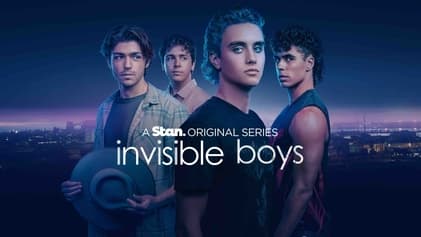
Invisible Boys never puts anyone on the bus to Perth
Nicholas Verso's ten-part Stan drama refuses the one ending Australian queer coming-of-age stories always reach for, and is far better for the refusal.
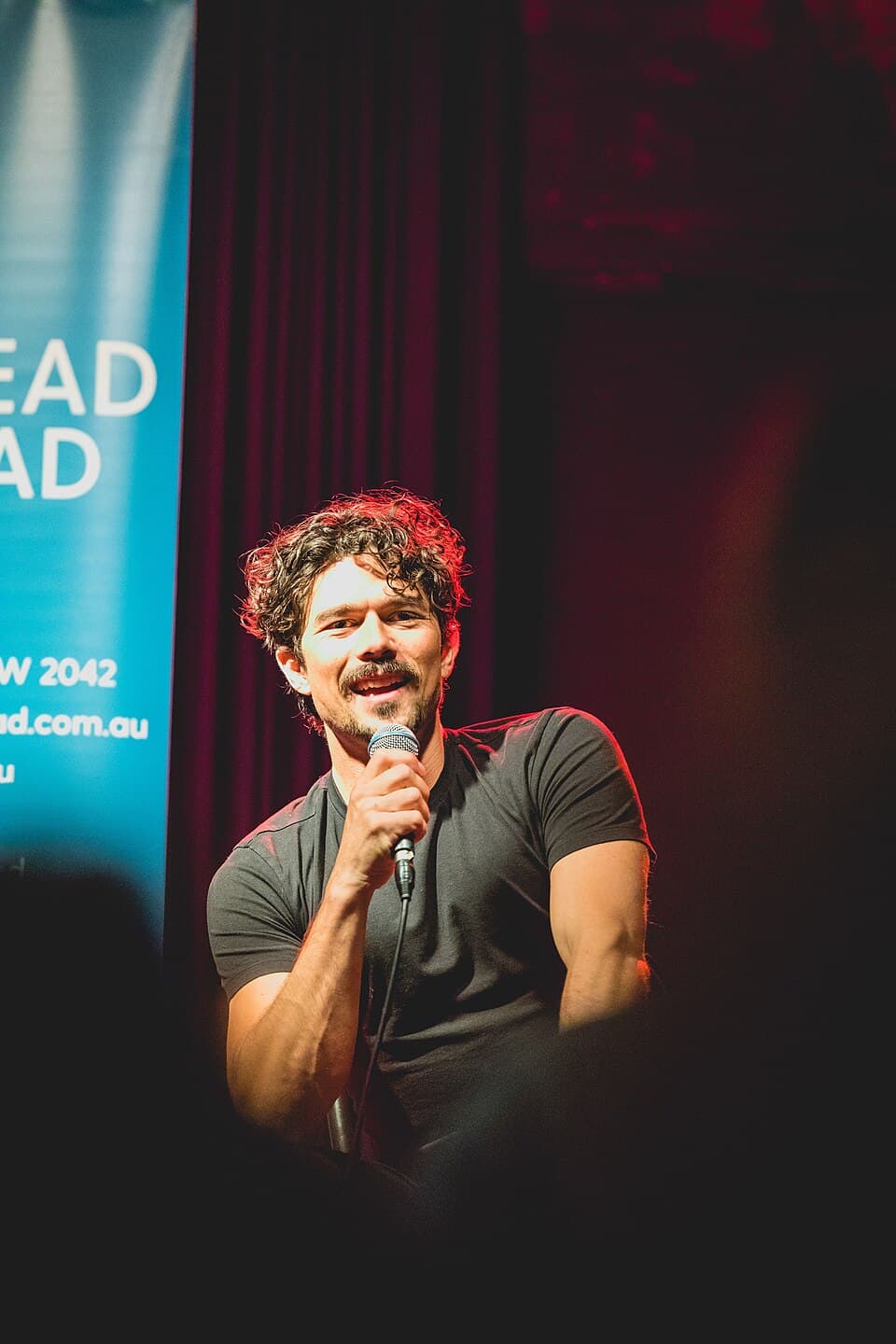
Scrublands sends a journalist to a country town and trusts the silence to do the rest
Luke Arnold drives into a drought-stricken town where a priest shot five men, and the show's best quality is that nobody wants to explain why.
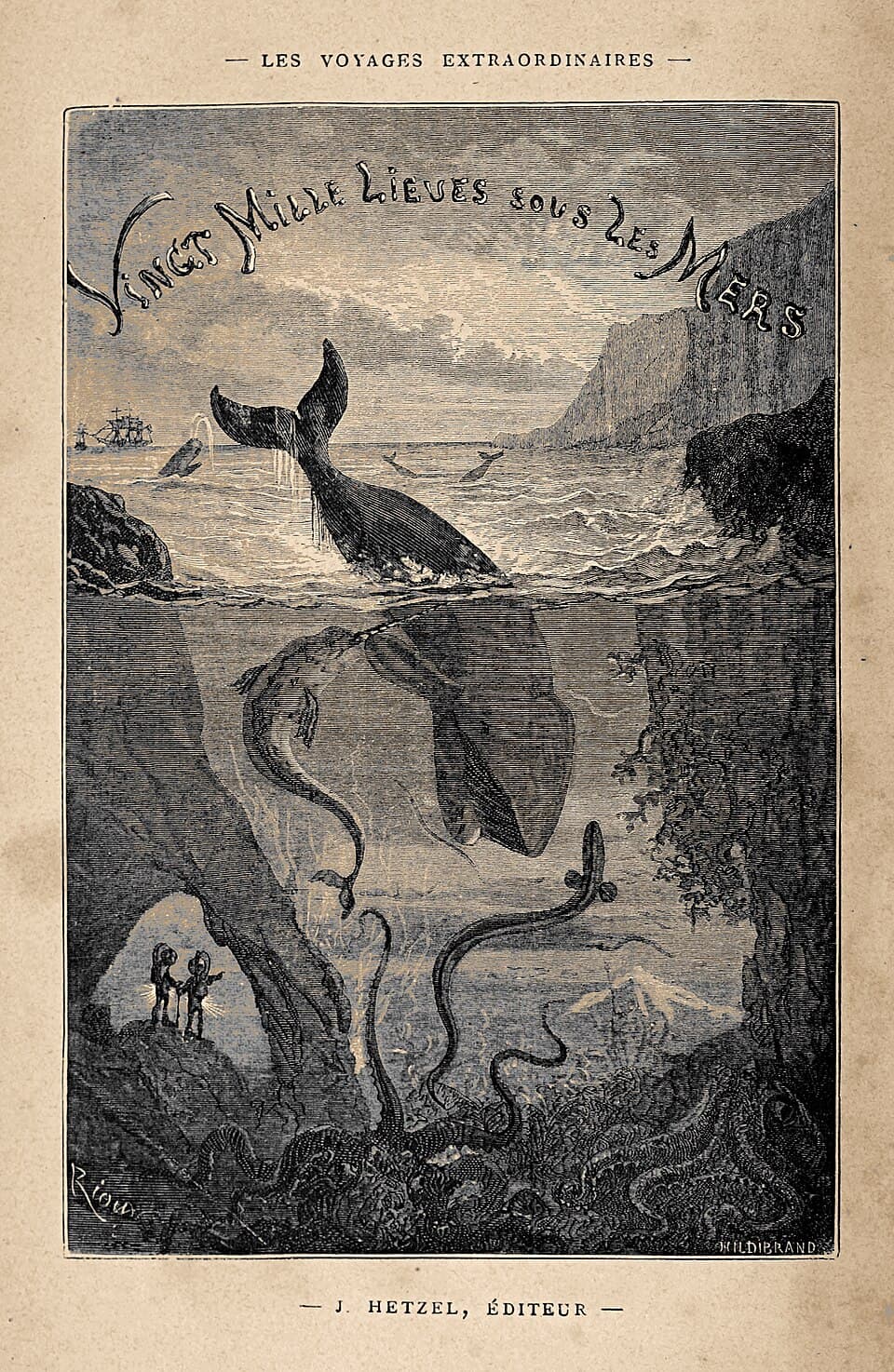
Nautilus built Captain Nemo in Queensland and sent him to sea without enough story
The production is gorgeous, the submarine is a set worth living in, and the scripts needed three more drafts.