Australian musicians played to laptop cameras and the sound changed
The venue closed, the laptop opened, and the room the mic was in became a bedroom.
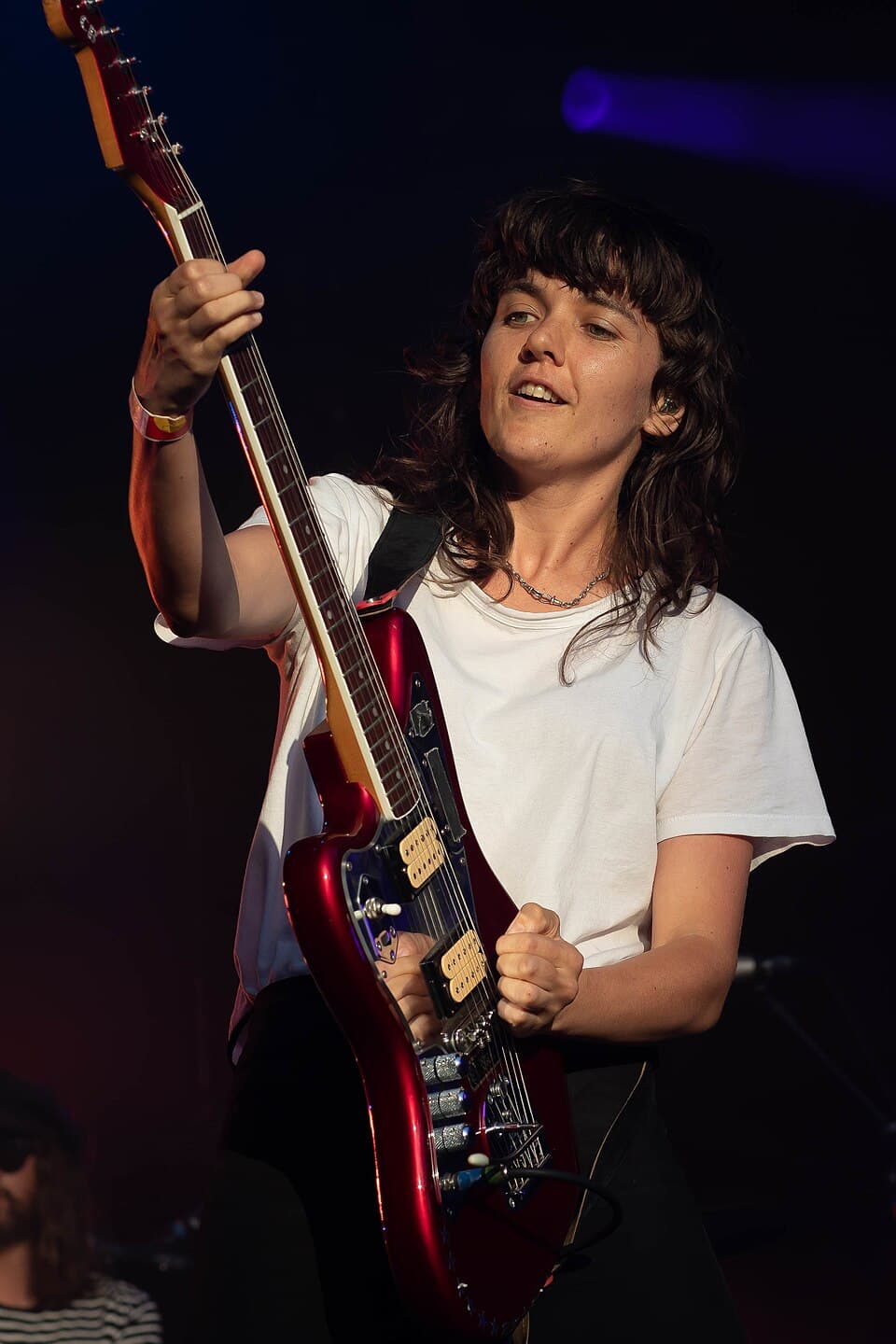
The venues shut. The stages went dark. The monitors cooled. And then, within days, the sound moved somewhere else. It moved into bedrooms and living rooms and kitchens, into the built-in microphones of laptops propped on stacks of books, into the front-facing cameras of phones leaned against mugs on dining tables. The sound moved, and when it arrived in these smaller rooms, it changed shape. It had to. The room was different, and the room is always part of the instrument.
March 2020. Melbourne locked down first, then the rest followed. For Australian musicians, the disappearance of live performance was not a pause. It was a structural collapse. Australia’s live music economy, particularly in Melbourne and Sydney, operates on a circuit of small venues, and for many artists the income from those venues is not supplementary. It is the income. When the rooms closed, the money stopped, and the musicians who continued to play did so into cameras rather than crowds, with the financial model replaced by donations, tips, and the vague promise that staying visible would matter when the world reopened.
What nobody predicted was that the sound itself would shift.
The room the mic is in
Courtney Barnett played from her lounge room. The guitar was acoustic, the mic was whatever was closest, and the room was audible in every note: the slight boxiness of a domestic ceiling, the absence of the low-end warmth that a proper venue provides, the sound of her foot on a wooden floor between songs. She played songs that were written for stages and they became something else entirely. The dynamics shrank. The distance between the quietest note and the loudest note compressed, because the laptop microphone could not hold the range, and in that compression something intimate appeared. Not intimacy as a performance choice. Intimacy as a technical constraint.
Julia Jacklin streamed from what appeared to be a spare room. The reverb was close and dry, the kind of reverb that tells you the walls are plasterboard and the ceiling is low. She played Crushing-era material, songs built for the sustained resonance of a live room, and the bedroom stripped them back to voice and guitar and breath. The breath was the thing. In a venue, the breath between phrases disappears into the ambient noise of the room. In a bedroom stream, you hear the inhale. You hear the pause before the next line. You hear the singer deciding what comes next, and that decision, that micro-hesitation, became part of the performance in a way that a stage show would never allow.
RVG performed from their practice space, which had the dense, boxy sound of a room lined with foam and old carpet. Romy Vager’s voice, which on record and on stage carries a wiry intensity that fills the room outward, turned inward in the stream. The low ceiling held the sound close. The drums, when they appeared, were muffled, almost domestic. The band played the same songs they would have played at the Corner or the Tote, but the songs sounded like they were being told to one person rather than shouted to two hundred.
The gear, or the absence of it
The lo-fi quality was not, for most of these streams, an aesthetic choice. It was a material condition. Musicians who had spent years refining their live sound, investing in monitors and pedals and microphone placement, were suddenly performing through equipment designed for video calls. The built-in microphone of a MacBook Air does not have a frequency response that flatters a guitar. The front-facing camera of an iPhone compresses the image in a way that makes every room look like the same room. The lighting was whatever was in the house: a floor lamp, a window, the overhead fluorescent that nobody would choose but everybody has.
This technical limitation produced a sonic quality that was, paradoxically, more human than the professional streams that some artists attempted. The artists who set up proper audio interfaces and ring lights and treated the stream as a broadcast produced content that looked and sounded like a lesser version of a live show. The artists who just played, with whatever was to hand, produced something that had no precedent: a performance that existed in the same acoustic space as the listener. Your laptop playing their laptop. Your room receiving their room. The intimacy was not simulated. It was architectural.
What the pivot changed
Something happened to the writing. Not immediately, and not for everyone, but over the months of lockdown, the sound of Australian music shifted toward the conditions in which it was being made. Albums recorded in bedrooms during 2020 carry the imprint of those bedrooms: close, dry, small-scaled, with a dynamic range that reflects the volume constraints of share houses and apartment buildings. You can hear it in the records that followed. The production choices carried forward even after studios reopened, because the musicians had discovered something in the constraint that they wanted to keep.
The shift was from projection to proximity. Live music is built on projection: the voice fills the room, the guitar reaches the back wall, the drums push the air. Bedroom music is built on proximity: the voice sits just in front of you, the guitar is in the room with you, the drums are felt rather than heard. Australian indie music had always had a strand of bedroom production, from the Go-Betweens recording demos in Brisbane kitchens to Courtney Barnett’s early EPs, but lockdown made the bedroom the default rather than the exception, and the default changed the expectations.
The audience in the chat
The other shift was relational. A live stream is not a performance in the way a concert is a performance. The audience is present as text, as names in a chat window, as comments scrolling past while the musician plays. Some artists read the chat between songs and the interaction had the halting, slightly awkward quality of a conversation conducted in two different media: voice and text, real-time and delayed, one person visible and everyone else reduced to a username.
This changed the contract between performer and audience. In a venue, the audience is a body: collective, anonymous, physically present, responsive in ways that the performer can feel without seeing. In a stream, the audience is a list of individuals, each watching alone, each in their own room, connected by the platform and by nothing else. The loneliness of this arrangement was part of the experience, and the musicians who acknowledged it, who played to the loneliness rather than pretending it was not there, produced the streams that mattered.
The venues reopened. The stages relit. The monitors warmed. But the sound did not entirely go back to where it was. Something had changed in the relationship between the musician and the room, and the room the mic was in, for a while, was a bedroom, and the bedroom left its mark on everything that came after.

Kieran writes about what films sound like. Played in a band that nearly got signed in 2012 and has been thinking about attack and decay ever since. Devoted to Warren Ellis, Amanda Brown, and the quiet work of sound editors nobody interviews.
MORE BY KIERAN BOUSTANY →
Australian composers spent lockdown scoring podcasts and games and it changed how they work
When the films stopped, the composers did not; they just scored different things, and the habits they built in lockdown stayed.

The last Australian film scores released before cinemas closed
Three scores dropped in the two weeks before every screen went dark, and nobody heard them the way they were designed to be heard.

Gallipoli and the two pieces of music that are not Australian
Peter Weir's 1981 war film has no composed score to speak of. It has a French synthesiser record and a baroque lament, and between them they say everything the picture needs.