A sports streamer now owns one of our biggest drama buyers
DAZN has completed its A$3.4 billion purchase of Foxtel, handing a sports-first global platform control of a company that has been a steady commissioner of Australian scripted drama.

The number is A$3.4 billion. That is the enterprise value News Corp put on the Foxtel Group when it agreed, in December 2024, to sell the business to the London-based sports-streaming company DAZN. The deal has since cleared its regulatory conditions, including review by the Foreign Investment Review Board and the Australian Competition and Consumer Commission, and the sale is done.
Telstra is out too. The telco held a minority stake in Foxtel and has sold it in the same transaction. Both former owners took equity in the buyer instead of a clean exit: News Corp retains roughly 6 per cent of DAZN and a seat on its board, and Telstra holds about 3 per cent.
For the screen sector, the relevant question is not the price. It is who now controls the commissioning.
What Foxtel has been buying
Foxtel is not only cable sport and a set-top box. The group runs the streaming services Binge and Kayo, and over the past several years Binge in particular has been a real buyer of Australian scripted drama, the kind of locally made, locally set series the sector counts on for jobs and screen quotas alike.
That output sat inside a company whose majority owner was a diversified media business. It now sits inside a company whose entire identity is live sport.
The sports-first problem
DAZN built its business on broadcast rights to football, boxing and motorsport. Scripted drama is not its trade. The platform has no track record of commissioning Australian television, because commissioning Australian television has never been its purpose.
That does not mean the local drama slate disappears. Foxtel’s Australian content obligations did not evaporate with the change of ownership, and a sports platform buying a market position also buys the subscribers who came for the drama. But the strategic centre of the company has moved. A business run for sport allocates its money to sport. Everything else becomes a line item to be defended each budget cycle, by executives whose bonuses are not tied to a Binge original.
What the regulator did and did not settle
The ACCC cleared the transaction. Its review tested the competitive effect of the sale, not the cultural one. Whether DAZN sustains Foxtel’s commissioning of local scripted work is a commercial decision for the new owner, not a condition of the approval.
This is the gap the sector has flagged for years. Australia’s local-content settings lean heavily on the choices of a small number of large buyers. When one of those buyers changes hands, the obligations are thinner than the headlines suggest, and the slate depends on the incoming owner’s appetite.
The number to watch next
The figure that matters from here is not the A$3.4 billion. It is the annual Australian scripted commissioning spend at Foxtel and Binge, and whether it holds, shrinks or moves under the new structure. That figure is reported, eventually, in the company’s filings and in the screen agencies’ production data.
A sports streamer now owns one of the larger buyers of Australian drama. The price is settled. The commitment is not, and the sector will be reading the next set of returns very closely.
Odette covers the business of Australian screen. Previously a financial journalist. Reads every Screen Australia annual report the week it drops. Short paragraphs, long memory, never misses a figure.
MORE BY ODETTE MALOUF →
The SVOD local content quota is one year old and the numbers are in
The streamers were required to spend locally and most of them did, but the definition of 'local' is doing more work than the regulators intended.
The Australian screen industry enters 2026 with fewer commissions and more questions
Total commissions are down 22 per cent on the 2023 peak, and the local content quota has not yet made up the difference.
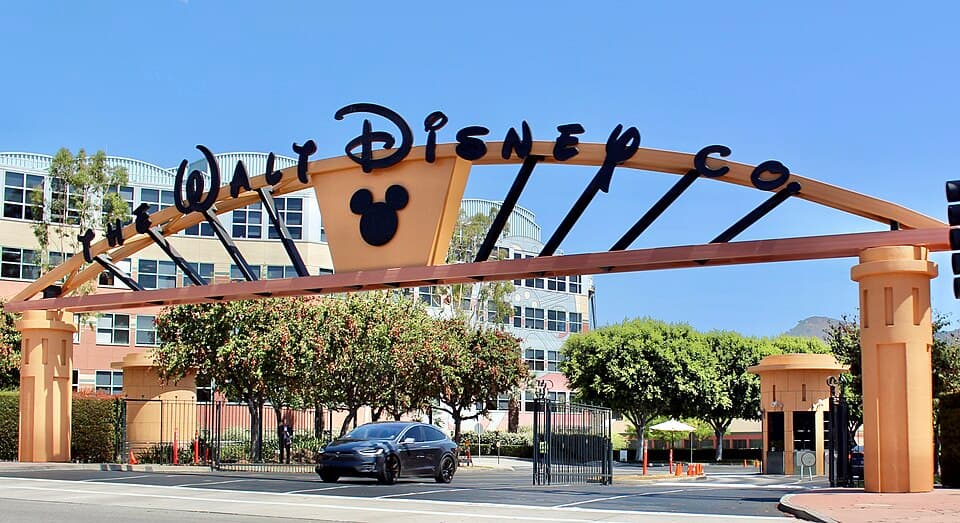
Disney and Paramount are pulling back from Australia and the silence is telling
Two of the five major streamers have quietly reduced their Australian commissioning, and the local production sector has not yet said the word 'contraction' out loud.