Two Australian scores landed at Sundance in 2024 and the festival did not notice
The scores were there, the composers were not credited in the headlines, and that is the usual arrangement.
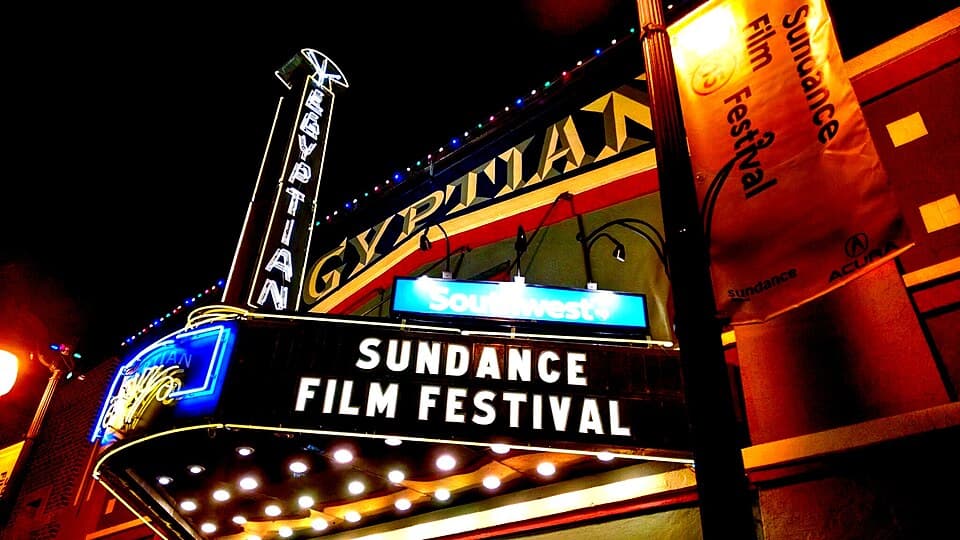
Two films with Australian-composed scores screened at Sundance in January 2024. The reviews discussed the performances, the direction, the cinematography, the subject matter, the political context, the festival’s programming choices, and, in one case, the catering at the after-party. The scores were not mentioned. This is not a complaint. This is a description of how the system works.
Film music at festivals exists in a condition of structural invisibility. The score is present in every screening. It shapes the audience’s emotional response to the images. It determines pacing, mood, the weight of a silence, the temperature of a transition. It does all of this and then, when the reviews are written and the deals are made and the prizes are distributed, it disappears. Not because critics are hostile to music but because the vocabulary of festival criticism does not have a reliable grammar for discussing what a score does. Critics write about images because they can describe what they see. They write about performances because they can name what the actors are doing. They do not write about scores because the contribution of music to a film is, by design, felt rather than observed, and the thing that is felt rather than observed is the thing that does not make it into the review.
The credit gap
The specific films are less important here than the pattern they illustrate, because the pattern recurs at every major festival, every year, and it recurs with a consistency that suggests it is not an oversight but a structural feature of how festivals operate.
Australian composers contribute to international productions with increasing frequency. The Australian screen music sector is small but technically sophisticated, trained in conservatories that emphasise craft, experienced in working across genres, and available at rates that are competitive with their American and European counterparts without being exploitative. A director shooting an independent film on a limited budget can hire an Australian composer and receive work of a quality that the budget would not ordinarily permit, and the time-zone difference means the composer is working while the director sleeps, which creates a practical efficiency that post-production schedules reward.
These are the conditions that produce Australian scores at international festivals. The work is there because it is good and because it is affordable and because it arrives on time. The work is invisible because the festival system does not have a mechanism for making it visible, and no one with the power to create that mechanism has a financial incentive to do so.
Where the name goes
Film credits are hierarchical. Director, writer, producer, lead cast. These are the names that appear on the poster, in the trade press, in the festival catalogue. The composer’s name appears in the credits that scroll at the end of the film, which is to say the credits that the festival audience watches while standing up and reaching for their bags. At Sundance specifically, the press materials sent to journalists before screenings include the director, the producers, and the cast. The composer is listed in the full production notes, a document that most journalists receive and few read in its entirety.
This is not conspiracy. It is priority. The festival system exists to sell films, and the names that sell films are the names the audience recognises, and the names the audience recognises are the names that have appeared in previous films that the audience has seen, and the names the audience has seen belong to actors and directors, not composers. The composer could write the most inventive score in the programme and the effect on the film’s commercial trajectory would be negligible compared to the effect of a recognisable face on the poster.
Australian composers know this. They work within it. The score is the job, and the job is to serve the film, and serving the film means accepting that the service will not be publicly acknowledged in the venues where acknowledgement has commercial value. The acknowledgement comes later, if it comes at all: in industry circles, in guild nominations, in the professional network that determines who gets the next job. The festival is where the film is seen. It is not where the score is heard, at least not in the way that hearing implies conscious attention and subsequent discussion.
The travel problem
There is a second layer to this. Australian screen music travels, but it travels without its origin attached. When an Australian composer scores an American independent film that premieres at Sundance, the film is described as American. The score is not described as Australian. It is not described as anything, because scores do not have nationalities in the critical vocabulary that festivals employ. A film has a country of origin. A performance has a nationality, at least when the actor’s accent is discussed. A score has no passport. It arrives, does its work, and leaves without declaring where it came from.
This means that Australian screen music achieves international exposure without achieving international recognition as Australian screen music. The composers benefit individually, in the sense that their credits expand and their professional reputations grow within the industry. The sector does not benefit collectively, in the sense that no one watching a Sundance film and responding to its score thinks, “Australian composers are doing interesting work.” They think, if they think about the music at all, “That film had good music,” and the thought stops there.
What would change this
Nothing structural is likely to change, because the incentives are aligned in favour of the current arrangement. Festivals sell films. Films are sold on the basis of directors and stars. Composers are not directors or stars. The economics are clear and the economics determine the visibility.
What might change, incrementally, is the critical vocabulary. There are writers, a small number, who discuss film music with specificity and expertise. There are publications that review scores as scores, separate from the films they accompany. There are podcasts dedicated to screen music that name composers and discuss technique. This parallel discourse exists, and it is growing, and Australian composers appear in it with reasonable frequency. But it operates at a different scale and in a different economy from the festival system, and the two systems rarely overlap.
The two Australian scores at Sundance in 2024 did their work. The films they accompanied were better for their presence. The composers will not be mentioned in the year-end retrospectives of the festival’s highlights. They will not be discussed in the oral histories that festivals generate. They will appear in the credits, in the full credits, at the end, while the audience is leaving. That is the arrangement. It has been the arrangement for as long as festivals have existed. It is not likely to change, and the scores, being well made and professionally delivered, will continue to arrive at festivals regardless.
Kieran writes about what films sound like. Played in a band that nearly got signed in 2012 and has been thinking about attack and decay ever since. Devoted to Warren Ellis, Amanda Brown, and the quiet work of sound editors nobody interviews.
MORE BY KIERAN BOUSTANY →
Five Australian composers who are about to score everything
The next generation of Australian screen composers learned on laptops, scored shorts for free, and are now getting the calls the orchestras used to get.

Three scores at MIFF 2025 that earned their silence
The best-scored films at this year's MIFF used restraint as an instrument and silence as a statement.
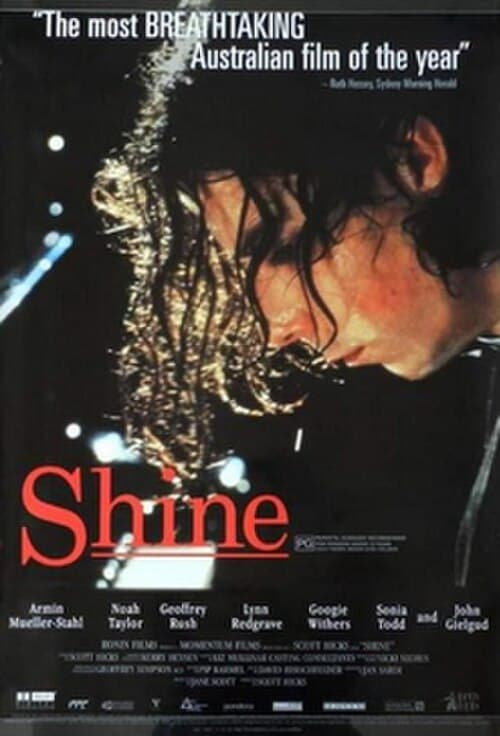
Shine and the score hiding under the Rachmaninoff
David Hirschfelder had to write original music that lives under the loudest warhorse in the piano repertoire, and the quiet writing is what carries the film.